



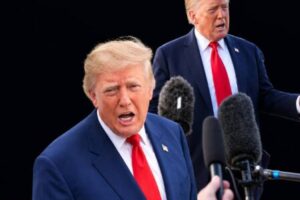






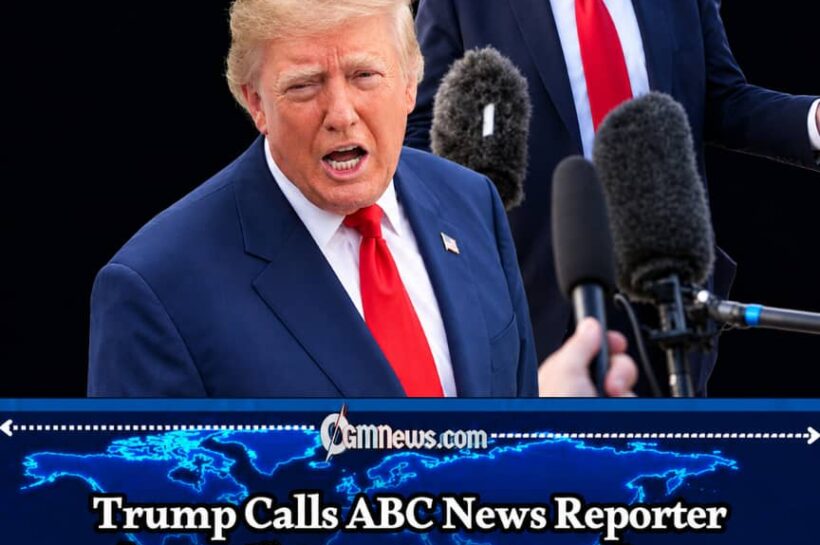





Donald Trump has asserted that the United States has inflicted decisive damage on Iran’s military capabilities, declaring that the country’s army, navy, and air force have been effectively neutralized. In the same remarks, Donald Trump criticized media coverage of the conflict, arguing that reports have misrepresented the situation as unfavorable to Washington.
Donald Trump also expressed confidence that the Strait of Hormuz,a critical global shipping route would soon be reopened. His statements come at a time when military operations, intelligence assessments, and diplomatic efforts are unfolding simultaneously, creating a complex and evolving picture of the conflict.
Trump Outlines U.S. Military Achievements
Donald Trump presented a sweeping assessment of U.S. military success, stating that American forces have delivered substantial blows to Iran’s strategic capabilities. According to the president, operations have targeted key elements of Iran’s army, naval fleet, and air power infrastructure.
Donald Trump emphasized that these actions were designed to significantly reduce Iran’s ability to operate militarily in the region. Administration officials have pointed to strikes on missile systems, military installations, and maritime assets as evidence of progress toward that objective.
Despite these claims, independent analysts continue to stress the importance of verification, noting that battlefield outcomes often require time to fully assess.
Intelligence Assessments Offer a More Nuanced View
While the administration highlights major successes, intelligence findings suggest a more layered reality. Reports indicate that although Iran has suffered notable losses, parts of its military capability remain intact.
Analysts point to the continued presence of missile systems and mobile launch platforms, some of which are believed to be concealed or capable of rapid redeployment. These factors complicate efforts to confirm claims of complete military neutralization.
This contrast between official statements and intelligence evaluations has fueled ongoing debate about the true extent of the damage inflicted.
Strait of Hormuz: Progress and Persistent Challenges
The Strait of Hormuz remains central to both the strategic and economic dimensions of the crisis. Donald Trump has stated that the waterway will soon be open, reflecting ongoing efforts by U.S. forces to secure safe passage for commercial vessels.
Naval operations, including mine-clearing activities and patrol missions, have contributed to gradual improvements in the security environment. Some ships have resumed transit, suggesting cautious progress toward restoring normal operations.
However, the situation remains uncertain, with lingering risks and security concerns preventing a full return to pre-conflict conditions.
Media Narrative and Political Messaging
A key component of Donald Trump’s remarks is his criticism of media coverage. He has argued that reporting fails to adequately capture what he views as significant U.S. achievements, creating a gap between official messaging and public perception.
Media organizations, for their part, have emphasized the need for independent verification and have highlighted the ongoing complexities of the conflict. This divergence underscores the broader tension between political communication and journalistic scrutiny.
The debate over narrative plays an important role in shaping both domestic and international understanding of the situation.
Diplomacy Continues Alongside Military Operations
Even as military operations continue, diplomatic efforts remain active. Negotiations between U.S. and Iranian representatives are ongoing, focusing on stabilizing the situation and addressing key issues such as maritime security and regional tensions.
Donald Trump has indicated that the United States remains open to a diplomatic resolution, even while maintaining a strong military posture. This dual-track approach reflects an attempt to balance pressure with the possibility of negotiation.
Observers note that the outcome of these talks will be critical in determining whether tensions ease or escalate further.
A Conflict Defined by Competing Narratives
The evolving situation highlights the complexity of modern conflict, where differing accounts and interpretations shape public understanding. Donald Trump’s statements reflect confidence in U.S. achievements, while intelligence assessments and independent analyses suggest a more nuanced picture.
This interplay between perspectives underscores the uncertainty surrounding the conflict’s trajectory. Questions remain about Iran’s remaining capabilities, the stability of the Strait of Hormuz, and the prospects for a lasting resolution.
Looking Ahead
The current developments illustrate the challenges of assessing success in a rapidly evolving geopolitical environment. As military, economic, and diplomatic factors continue to interact, the situation remains fluid, with outcomes that will have significant implications for regional and global stability.

The weekly tournaments here keep me coming back because the prize pools are surprisingly generous....