






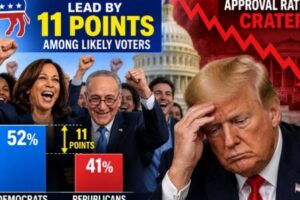




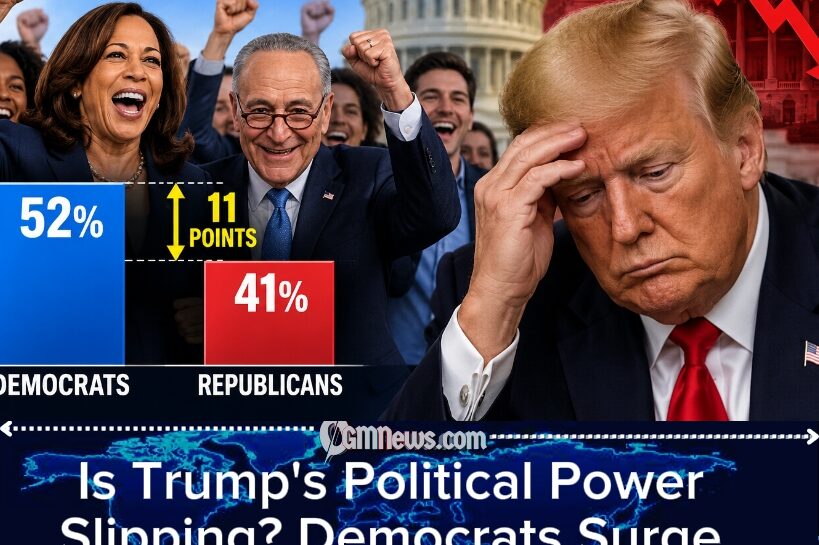

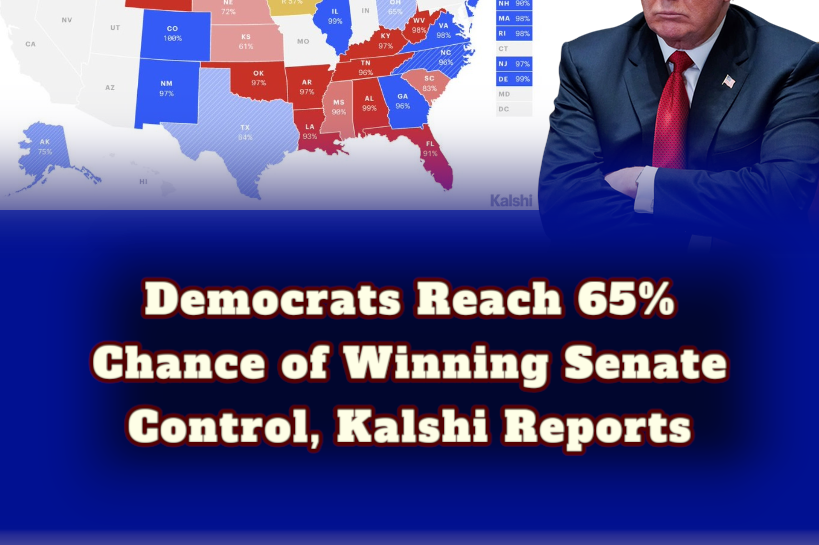




Democrats are projected to seize control of both chambers of Congress this November, a development that could significantly reshape the political landscape in the United States. The projection follows recent polling trends, voter sentiment analysis, and shifting dynamics across key battleground states. If realized, the outcome would mark a major turning point in federal governance and legislative priorities.
The possibility of unified congressional control has sparked intense discussion among political analysts, with many pointing to demographic shifts and evolving voter concerns as key drivers. Issues such as healthcare, the economy, and social policy are expected to play central roles in influencing the outcome.
While projections remain subject to change, the current outlook suggests growing momentum that could translate into a decisive electoral result. Both parties continue to mobilize resources in anticipation of a highly competitive election season.
Electoral Dynamics and Voter Trends
Democrats have been gaining traction in several regions that were previously considered competitive or leaning toward the opposition, reflecting broader changes in voter alignment. These shifts are often attributed to changing demographics and increased political engagement among younger voters.
Campaign strategies have also evolved, with a greater emphasis on grassroots mobilization and digital outreach. These approaches have allowed candidates to connect more directly with voters and address local concerns effectively.
At the same time, voter turnout will remain a critical factor, as high participation rates could significantly influence the final outcome. Both parties are focusing heavily on encouraging voter engagement.
Democrats and Legislative Priorities
Democrats are expected to advance a range of legislative priorities if they secure control of Congress, including reforms in healthcare, climate policy, and economic inequality. These proposals reflect long-standing policy goals within the party.
The potential for unified control could streamline the legislative process, allowing for quicker passage of key initiatives. However, internal differences within the party may still present challenges in achieving consensus.
Observers note that the success of any legislative agenda will depend not only on electoral outcomes but also on the ability to navigate complex political dynamics within Congress.
Republican Response and Political Strategy
Democrats have faced strong opposition from Republican leaders, who are actively working to counter the projected shift by emphasizing their own policy priorities and campaign messaging. The response has included targeted efforts in key districts.
Republicans are focusing on issues such as economic growth, national security, and fiscal responsibility, aiming to resonate with voters who may be undecided or concerned about policy changes.
The competition between the two parties underscores the high stakes of the upcoming election, with control of Congress serving as a critical factor in shaping national policy.
Public Sentiment and Media Influence
Democrats have benefited from evolving public sentiment on several major issues, with media coverage playing a significant role in shaping voter perceptions. The narrative surrounding the election continues to develop as new information emerges.
Public opinion remains divided, with different segments of the population prioritizing different concerns. This diversity of perspectives contributes to the complexity of the electoral landscape.
The influence of media and communication strategies is expected to intensify as the election approaches, potentially impacting voter decisions in meaningful ways.
Democrats are preparing for the possibility of governing with control of both chambers, focusing on strategic planning and policy development. The outcome of the election will determine the extent to which these plans can be implemented.
The coming months are expected to be marked by intense campaigning, debates, and efforts to engage voters across the country. The dynamic nature of the political environment means that projections could shift as new developments arise.
Ultimately, the projected shift represents a pivotal moment in U.S. politics, with potential implications for governance, policy direction, and the broader national conversation.


The vibes here are amazing and the winning streaks are real. It feels just like...