





















U.S. President Donald Trump, currently serving his second term, has raised the possibility of withdrawing the United States from the North Atlantic Treaty Organization (NATO), a move that could significantly reshape global security structures. Donald Trump’s remarks, reported by multiple international outlets, suggest growing dissatisfaction within his administration over the role and effectiveness of the alliance.
The comments by Donald Trump come at a time of heightened geopolitical tension, particularly over disagreements between the United States and its European allies regarding the ongoing Iran conflict. While Donald Trump has not confirmed any final decision, the mere consideration of such a step has prompted concern among NATO members and analysts worldwide.
Trump’s Frustration with NATO Burden-Sharing Intensifies
President Donald Trump has long criticized NATO allies for what he perceives as insufficient contributions to collective defense. According to reports, Donald Trump believes the United States continues to shoulder a disproportionate share of the alliance’s financial and military responsibilities.
This frustration has been amplified by recent events, with Donald Trump reportedly expressing disappointment over the reluctance of European allies to support U.S. military actions. Analysts suggest that Donald Trump’s position reflects a broader strategic shift toward prioritizing national interests over multilateral commitments, a stance that continues to influence his foreign policy approach.
Disputes Over Iran Conflict Deepen Transatlantic Divide
At the center of the current tensions is the conflict involving Iran, which has exposed fundamental disagreements between the United States and its NATO partners. Several European nations have declined to participate in military operations, maintaining that NATO’s primary role is defensive rather than offensive.
President Donald Trump has interpreted this reluctance as a lack of solidarity, further straining relations within the alliance. European leaders, however, argue that their stance aligns with international law and NATO’s founding principles. The divergence in perspectives has intensified debates over the alliance’s purpose in a rapidly changing global landscape.
Starmer Reaffirms NATO Commitment While Prioritizing UK Interests
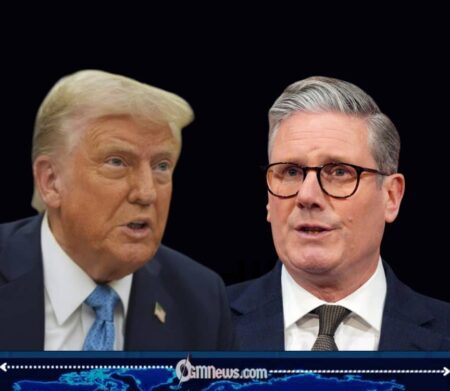
UK Prime Minister Keir Starmer has responded by reaffirming Britain’s commitment to NATO, describing it as the most effective military alliance in modern history. Starmer emphasized that the United Kingdom remains fully dedicated to the organization’s principles and objectives.
At the same time, Starmer made clear that Britain will act in its own national interest, stating that it will not be drawn into conflicts that do not align with its strategic priorities. His remarks highlight a careful balancing act supporting NATO while maintaining an independent approach to international conflicts.
Britain Moves to Strengthen European Partnerships
In addition to its commitment to NATO, the United Kingdom has signaled a renewed focus on strengthening ties with European partners. This includes closer cooperation on defense, economic policy, and regional security initiatives.
Analysts view this as a pragmatic response to uncertainty surrounding U.S. foreign policy. By enhancing collaboration within Europe, Britain aims to reinforce stability while adapting to evolving geopolitical realities. This shift does not signal a break from the United States but rather a diversification of strategic partnerships.
Global Security Implications of Potential U.S. Withdrawal
The possibility of a U.S. withdrawal from NATO carries profound implications for global security. The United States plays a central role in the alliance, providing critical military capabilities, funding, and leadership. Any decision to leave would fundamentally alter the balance of power within NATO.
Experts warn that such a move could weaken collective defense mechanisms and encourage rival powers to test the alliance’s resolve. It would also require European nations to significantly increase their defense spending and capabilities, potentially reshaping the security architecture of the region.
The Future of the Transatlantic Alliance
Despite rising tensions, both sides have emphasized the importance of maintaining strong transatlantic ties. The longstanding partnership between the United States and Europe continues to serve as a cornerstone of global diplomacy and security cooperation.
Observers suggest that the current situation represents a period of transition rather than a complete rupture. While Donald Trump’s stance has introduced uncertainty, it has also prompted renewed discussions about the future of NATO and the evolving nature of international alliances in the 21st century.
Looking Ahead
President Donald Trump’s consideration of withdrawing the United States from NATO has brought renewed focus to the alliance’s role and future. Combined with disagreements over the Iran conflict, the development underscores the challenges facing transatlantic relations.
As the United Kingdom and other European nations reaffirm their commitment to NATO while strengthening regional ties, the alliance appears to be entering a phase of adjustment. Whether this leads to renewed cohesion or deeper divisions will depend on decisions made in the months ahead.
[…] […]