







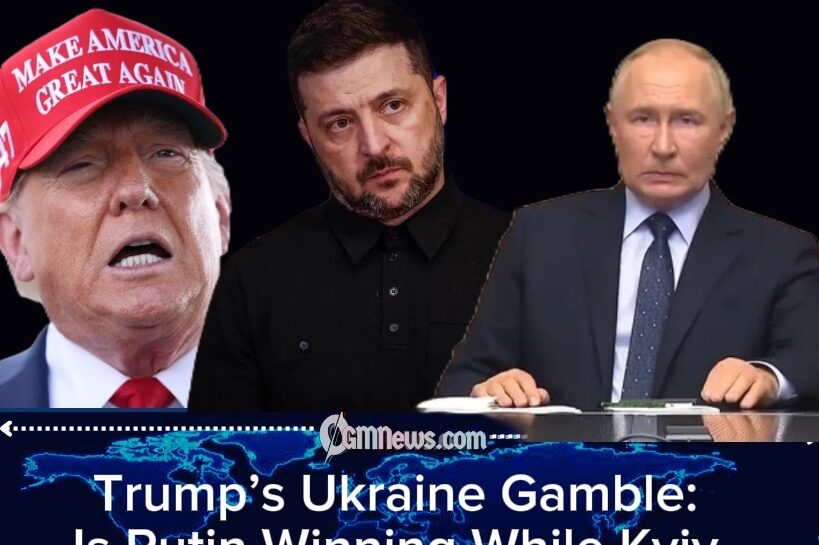






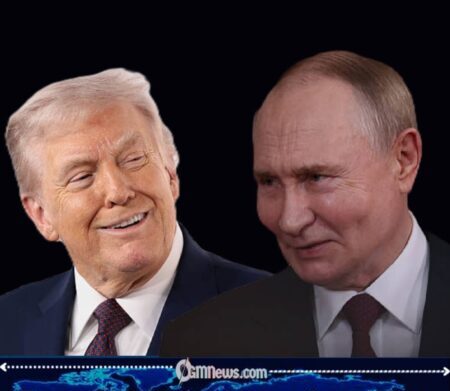
Donald Trump, the current President of the United States serving his second term, has come under renewed political scrutiny as discussions emerge about easing oil sanctions on Russia during escalating tensions with Iran. Critics argue that the administration’s framing of military confrontation with Iran as a reason to reconsider energy restrictions could unintentionally strengthen the financial position of Russian President Vladimir Putin.
The debate highlights the complex intersection of geopolitics, global energy security, and economic strategy. While some policymakers believe expanding oil supply could stabilize international markets, others warn that loosening sanctions may undermine efforts to limit Russia’s economic power during ongoing global tensions.
Donald Trump’s Strategy Amid Rising Middle East Tensions
President Donald Trump’s administration has increasingly focused on the security implications of rising tensions involving Iran and key shipping routes in the Middle East. Officials close to the administration say concerns about potential disruptions in global oil supplies have pushed Washington to evaluate alternative strategies for maintaining market stability.
The strategic concern centers largely on the vulnerability of global energy routes, particularly those in the Persian Gulf. Any escalation in military activity in that region could restrict oil flows, prompting governments to consider emergency policy adjustments.
In this context, Donald Trump’s administration has reportedly examined whether easing certain restrictions on Russian oil exports could help offset potential supply shortages caused by regional instability.
Donald Trump and the Debate Over Russian Sanctions
Sanctions imposed on Russia following the war with Ukraine were designed to limit the Kremlin’s ability to finance its geopolitical ambitions. These restrictions have targeted several sectors, including Russia’s lucrative energy industry.
However, Donald Trump’s consideration of adjusting those sanctions has sparked debate among lawmakers, economists, and international allies. Critics say any easing of restrictions could dilute the impact of years of coordinated economic pressure.
Supporters of the policy discussion, on the other hand, argue that sanctions must remain flexible in response to rapidly changing global conditions, particularly when energy supply disruptions threaten economic stability.
Critics Say Donald Trump’s Policy Could Benefit Vladimir Putin
Opponents of the proposed shift argue that easing sanctions on Russian oil would directly benefit Vladimir Putin by increasing Russia’s export revenues. Oil and gas remain central pillars of Russia’s economy, and greater access to global markets could significantly strengthen Moscow’s financial position.
Analysts caution that such a move might weaken the collective efforts of Western governments that have attempted to isolate Russia economically since the outbreak of war in Ukraine.
Critics claim that policy adjustments framed around Middle East tensions could unintentionally provide relief to Russia’s economy.
For many observers, the concern is not just economic but symbolic—suggesting a potential shift in the international pressure campaign against the Kremlin.
Donald Trump Supporters Emphasize Energy Market Stability
Supporters of Donald Trump’s policy approach argue that the administration’s primary responsibility is protecting global economic stability and preventing severe energy price shocks. They emphasize that geopolitical crises can quickly disrupt oil supply chains and trigger worldwide economic consequences.
Energy analysts note that global oil markets are interconnected, meaning shortages in one region can rapidly affect prices and availability elsewhere. If conflict involving Iran disrupts shipping routes or production, the resulting supply gap could drive fuel costs sharply upward.
From this perspective, Donald Trump’s exploration of alternative supply options—including Russian oil—has been framed by supporters as a pragmatic response to potential market instability.
Donald Trump’s Policy Sparks Mixed Reactions Among Allies
The potential policy shift has also drawn varied reactions from America’s international partners. Several European countries that reduced their reliance on Russian energy in recent years have expressed concern that easing sanctions could reverse progress made toward energy independence.
At the same time, some governments facing rising energy costs may view increased oil supply as a short-term economic relief. Diplomatic observers say the debate reflects the ongoing tension between geopolitical strategy and economic necessity.
Donald Trump’s administration may therefore face the challenge of balancing domestic economic priorities with the expectations of international allies committed to maintaining pressure on Russia.
Donald Trump’s Decision Could Shape Global Energy Politics
As Donald Trump continues his second term as U.S. president, the decision over whether to adjust Russian oil sanctions could have significant global implications. Energy policy remains deeply tied to international diplomacy, economic stability, and security concerns.
Experts say the administration’s final decision will likely depend on how the situation involving Iran evolves and how global oil markets react to the possibility of supply disruptions.
Whatever the outcome, Donald’s approach to the issue has already sparked intense debate, highlighting how energy policy decisions can reverberate far beyond national borders.

The vibes here are amazing and the winning streaks are real. It feels just like...