










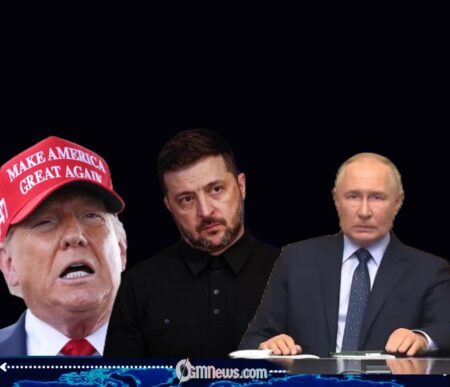
President Donald Trump, currently serving his second term, stated Thursday that he is not focused on winning the Nobel Peace Prize despite renewed discussions surrounding the award amid his administration’s military operations against Iran. His comments signal a shift in tone from earlier suggestions that such recognition could be a possibility, emphasizing instead the administration’s focus on strategic and humanitarian objectives in the region.
The remarks come as tensions between the United States and Iran remain high, with global attention on both energy markets and regional security. Analysts say Trump’s statements reflect an effort to frame U.S. actions as driven by practical concerns rather than personal accolades.
Trump’s Perspective on the Nobel Peace Prize
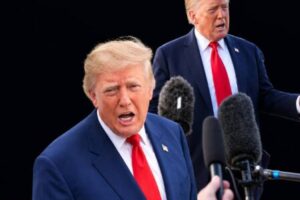
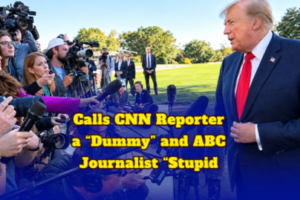
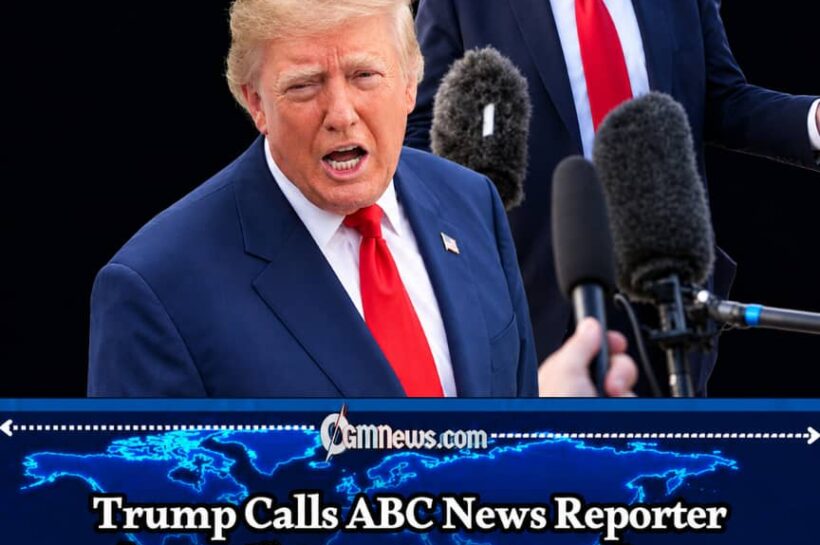
President Trump addressed reporters in Washington, stressing that his attention remains on protecting American interests and regional stability rather than international recognition. He described the Nobel Prize as secondary to ongoing efforts to safeguard civilians and maintain security amid escalating military tensions.
While previous reports had speculated that Trump could be considered for the award, the president now frames such discussions as a distraction from the administration’s operational priorities. His statement is consistent with a broader strategy to focus media and public attention on policy outcomes rather than personal achievements.
Military Operations in Iran: Context and Objectives
The U.S. military campaign in Iran has intensified in recent weeks, focusing on countering threats to American forces and regional allies. Officials emphasize that operations are designed to reduce risk to civilians and maintain stability across critical infrastructure and shipping routes.
Trump’s administration has repeatedly stressed that the military presence is preventive, aiming to deter hostile actions without escalating into wider conflict. Analysts note that this approach seeks to balance strategic objectives with international scrutiny of U.S. military activity.
Domestic Reactions to Trump’s Statement
Domestically, reactions have been mixed. Supporters applaud Trump’s focus on operational priorities and practical policy measures rather than international awards. They argue that emphasizing security and economic stability aligns with broader public interests.
Conversely, some political observers question whether dismissing the Nobel Prize in public statements is fully transparent, suggesting that previous discussions around the award may have been politically advantageous. The debate highlights ongoing scrutiny of presidential messaging during complex international operations.
Global Implications of the U.S. Campaign
The military campaign in Iran has implications for global diplomacy, particularly concerning U.S. relations with Europe, the Middle East, and Asia. Observers note that Trump’s decisions are closely watched by international allies and adversaries alike, influencing negotiations on security, trade, and energy.
Experts highlight that the campaign also intersects with broader geopolitical concerns, including oil supply stability and regional influence. The administration’s framing of its actions as non-personal aims to assure partners that U.S. objectives are focused on stability rather than symbolic recognition.
Energy and Economic Considerations
Rising tensions in Iran have had direct consequences for global energy markets, with fluctuations in oil prices and supply stability drawing attention from policymakers. Trump has maintained that U.S. strategies aim to minimize disruptions while ensuring reliable energy availability worldwide.
Economists note that military and diplomatic measures in volatile regions often have immediate effects on markets. By emphasizing operational priorities over awards, Trump seeks to reinforce confidence in the administration’s management of energy and economic risks.
The Administration’s Strategic Messaging
Trump’s clarification regarding the Nobel Peace Prize reflects a broader communication strategy, aiming to focus public attention on policy effectiveness rather than personal accolades. This approach is consistent with his administration’s messaging in other international contexts, prioritizing results and tangible outcomes.
Political analysts suggest that such messaging may also serve to counter criticism that U.S. foreign policy decisions are driven by personal recognition rather than national interest. Maintaining a neutral, results-oriented narrative is likely intended to reassure both domestic audiences and international partners.
Future Expectations
As the U.S. military campaign in Iran continues, Trump’s administration faces ongoing challenges in balancing operational effectiveness, diplomatic engagement, and public perception. Analysts will continue to monitor how messaging and policy decisions intersect, particularly regarding international scrutiny and domestic opinion.
For now, President Trump emphasizes that the Nobel Peace Prize is not a priority, signaling a continued focus on strategic objectives and stability in the Middle East rather than accolades or personal recognition.

The weekly tournaments here keep me coming back because the prize pools are surprisingly generous....