



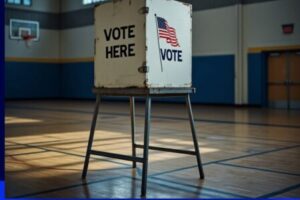















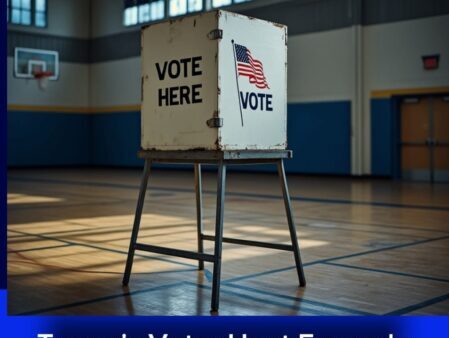
The Trump administration has intensified its search for evidence of illegal voting by noncitizens, issuing more than 100 subpoenas seeking records relating to tens of thousands of voters across at least 13 states ahead of the midterm elections. The campaign, which reaches Democratic strongholds and Republican-leaning battlegrounds alike, has raised fresh questions about election integrity, government power and the risk of post-election disputes. With control of Congress hanging in the balance, Washington appears determined to investigate who voted, who should have voted and whether the resulting evidence could become another weapon in the political battle.
A Nationwide Search for Illegal Votes By Trump Administration— But Where Is the Evidence?
According to the supplied report, many of the subpoenas were issued to state and local election officials during the past three months, although some date back to the beginning of the year. At least 49 were issued under grand jury authority, making them generally more difficult to challenge than administrative subpoenas. The requests cover jurisdictions including Minneapolis, Philadelphia, Los Angeles and other California cities, as well as Texas, Kansas and Georgia. The geographical spread suggests that the administration’s campaign is not confined to one political camp or a handful of closely contested districts.
The legal distinction is important: noncitizens are prohibited from voting in US federal elections, and investigating credible allegations of illegal voting is a legitimate law-enforcement responsibility. However, evidence of individual violations must not be confused with proof of widespread electoral fraud. The supplied figures indicate that federal prosecutors have accused at least 147 people of illegal voting under the relevant federal statute since President Donald J. Trump returned to office, including 102 since the beginning of September.
Most of those cases remain unresolved, and the report places the total at fewer than one alleged offender per million people who voted in 2024. In other words, the investigation is expanding, but the evidence presented so far does not establish that noncitizen voting is widespread.
Courts Push Back as Political Stakes Rise
The subpoena campaign forms part of a broader administration effort to obtain voter information. The Justice Department has sued 30 states that declined to provide voter rolls containing sensitive personal information, including driver’s licence numbers and partial Social Security numbers. Meanwhile, a federal judge largely halted Homeland Security’s field operations in nine states on October 21, according to the supplied account, and courts have ruled against the Justice Department in the voter-roll litigation so far. Several cases remain under appeal. Those setbacks have not ended the effort, and subpoenas may provide investigators with another legal route to seek records.
The political implications could prove more consequential than the raw numbers. Critics warn that investigations into suspected noncitizen voting could be used to challenge narrow election results, even where the evidence is insufficient to overturn them. Losing candidates aligned with Trump could argue that questionable votes made it impossible to determine the rightful winner, potentially triggering demands for recounts, ballot exclusions or even attempts to invalidate results.
Such claims would still face legal and evidentiary hurdles. With Democrats needing four additional Senate seats and five House seats to control Congress, disputes over election legitimacy could become part of an already fierce struggle for political power. The uncomfortable question is whether the campaign will uncover substantial illegal voting or provide fresh ammunition for candidates unwilling to accept defeat.
The Trump administration says its campaign is aimed at enforcing federal election law, but the scale of the subpoenas and the limited evidence of widespread noncitizen voting make scrutiny essential. Investigations should follow evidence, respect privacy and produce conclusions that can withstand independent legal review. In a democracy, public confidence depends not only on preventing illegal votes but also on ensuring that legitimate votes are counted and election results are not undermined by unsupported allegations. Follow OGM News for further updates as the investigations, court battles and midterm election disputes unfold.



If you are mad at me, just curse me out