




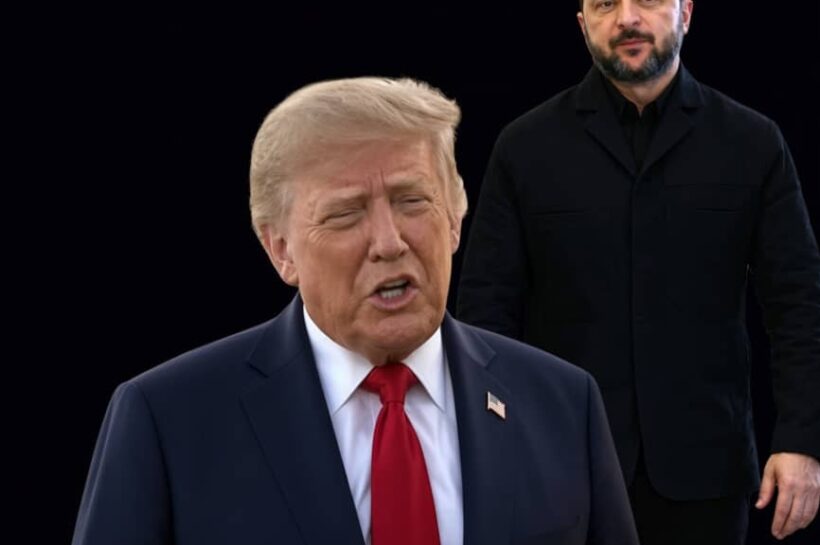




US President Donald J. Trump has sparked fresh controversy after suggesting that Democratic Senate candidate Abdul El-Sayed should be required to pass through a metal detector before entering the US Senate if elected. The remark, delivered during a campaign rally in Michigan, has reignited debate about political double standards, religious discrimination and the scrutiny applied to those seeking public office. Critics are now pointing to Trump’s acceptance of a $400 million luxury jet from Qatar and billions of dollars in Saudi investments linked to his son-in-law, Jared Kushner, asking whether the same level of suspicion applies to America’s wealthy international partners.
Metal Detectors for a Political Opponent?
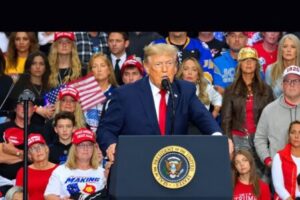
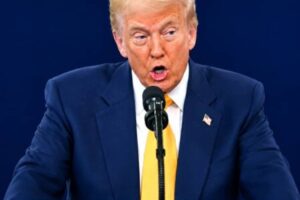
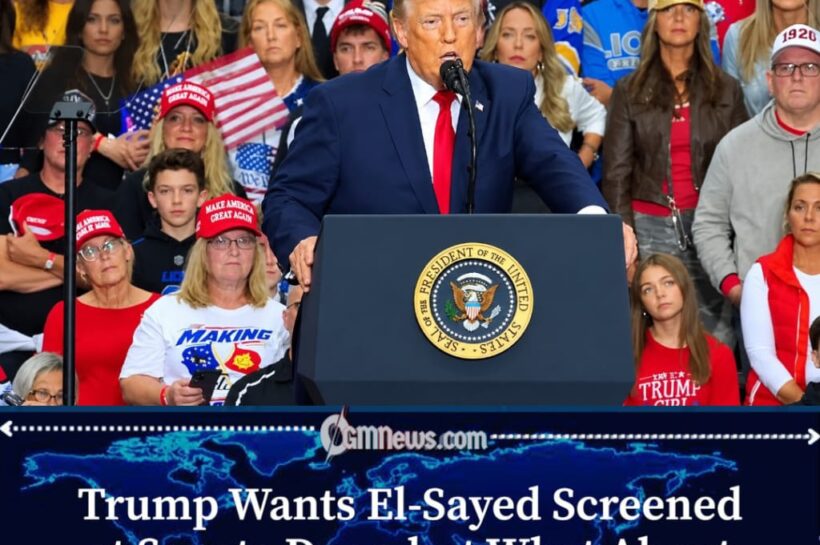
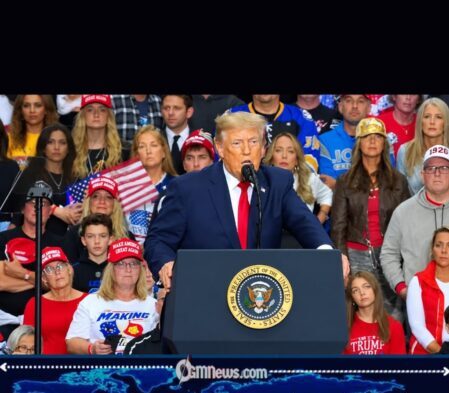
During Sunday’s rally in Port Huron, Michigan, Trump declared that El-Sayed would be the only senator required to pass through a metal detector before entering the Senate. The president also accused the candidate of having extremist connections, allegations El-Sayed has denied. The remarks came as the two parties battle for a crucial Senate seat ahead of the November midterm elections. Critics argue that singling out a candidate for exceptional security screening based on unsubstantiated allegations raises serious questions about fairness and political rhetoric.
In what critics might describe as Washington’s latest security comedy, the proposed metal detector has become a symbol of a broader political argument: who deserves suspicion, and who receives the benefit of the doubt? Apparently, a political opponent may need an imaginary security checkpoint, while a multimillion-dollar aircraft arriving as a gift from a foreign government can become a matter of presidential convenience. The satire practically writes itself, although the underlying questions about security and ethics deserve serious answers.
Qatar’s Jet and Saudi Billions: Where Is the Same Suspicion?
Trump’s $400 million Boeing 747-8 gift from Qatar has already attracted scrutiny over ethics, national security and the influence foreign governments might gain through valuable gifts. The aircraft was intended for temporary use as Air Force One after modifications, with the administration saying it would eventually be transferred to Trump’s presidential library. The arrangement has prompted questions about the constitutional and ethical implications of accepting such an extraordinary gift, even as the administration has defended the arrangement.
Meanwhile, Trump’s son-in-law, Jared Kushner, has attracted attention over Saudi financial backing for his private investment firm, Affinity Partners. Saudi Arabia’s Public Investment Fund approved a $2 billion investment in the firm in 2021, shortly after Kushner left his White House role. The investment has faced scrutiny over potential conflicts of interest and the relationship between private financial interests and political influence. To be clear, these financial arrangements are not proof of wrongdoing. However, they raise a pointed question for political observers: if national security demands extraordinary suspicion toward a Senate candidate, why should enormous foreign gifts and investments escape equally searching scrutiny?
The controversy illustrates the uncomfortable intersection of political campaigning, national security and financial influence. Trump wants voters to view El-Sayed as a potential security concern, but the Qatar jet and Saudi investment controversy demonstrate why transparency and consistent standards matter for everyone in positions of public trust. OGM News will continue monitoring the story as the Michigan Senate race approaches and questions surrounding political rhetoric, foreign financial ties and public accountability remain in the spotlight.
FoSEnYRcnzkCFxcrkTIkEJxP