






















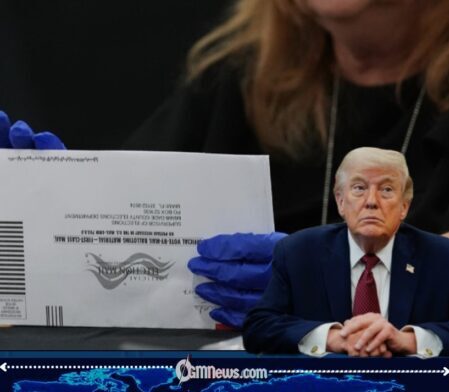
A federal judge in Boston has temporarily blocked the U.S. Postal Service from enforcing a new mail-ballot rule linked to an executive order issued by President Donald J. Trump, throwing another legal barricade into an already fast-moving battle over voting by mail ahead of the November 3, 2026 election. Democratic-led states and voter advocacy groups secured a temporary restraining order after arguing that the new requirements could disrupt election preparations and potentially prevent eligible voters from receiving or returning their ballots on time.
A Postal Rule Meets a Judge’s Judicial Red Light
According to Judge Indira Talwani’s ruling, the disputed Final Rule would require states or local election officials to submit ballot envelopes and return envelopes for advance USPS approval, regardless of the rapidly approaching election deadlines. In plain English: election officials were suddenly facing a bureaucratic obstacle course while the election calendar was already sprinting toward November.
The USPS rule was formally published after months of legal disputes and was designed to impose new standards on federal ballot mail, including requirements involving ballot-envelope preparation and voter-related data submissions. Judge Talwani’s latest intervention pauses key aspects of that plan for 14 days, while the wider legal fight continues. The court has scheduled further proceedings, meaning the postal drama may be far from its final delivery.
The Envelope Is Sealed, but the Courtroom Is Still Open
The controversy comes after an extraordinary series of legal twists surrounding President Trump’s broader effort to tighten controls on mail-in voting. Earlier court orders had blocked aspects of the policy, while subsequent rulings and challenges created new openings for the USPS to issue its Final Rule. At one point, Judge Talwani found that the Postal Service had violated an existing preliminary injunction by completing the rulemaking process while the restriction remained in force, although the court imposed no additional remedy beyond formally identifying the violation.
For supporters of the restrictions, the measures are presented as an effort to strengthen oversight and standardize procedures surrounding mail ballots. Opponents, however, argue that the federal government is attempting to impose major changes too close to a national election and could interfere with the authority of states and Congress over election administration. With millions of Americans relying on some form of mail voting, the case has become more than a quarrel over envelopes, barcodes and postal procedures; it is now another major courtroom contest over who gets to set the rules before voters start sending their ballots on their journeys.
For now, the USPS plan has been told to wait at the judicial post office counter, but this political package clearly has not reached its final destination. As the November 3, 2026 election draws closer, the next court decisions could determine whether the disputed restrictions remain paused, return in a modified form, or trigger yet another round of legal fireworks. Readers should keep their eyes on this developing battle, because at OGM News, the envelopes may be sealed, but this story is definitely still open.

[…] […]