



















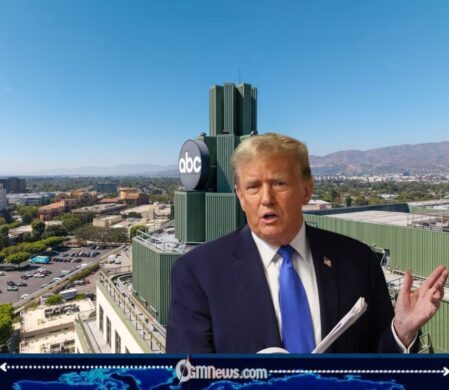
Disney has asked a federal judge to block an unusually early review of the broadcast licenses for its eight ABC-owned stations, arguing that the action should be viewed against what the company describes as repeated threats by current President Donald Trump against reporters and broadcasters. In a fresh court filing, Disney and ABC say FCC Chairman Brendan Carr has been carrying out presidential directives aimed at speech critical of the administration, turning a regulatory dispute into a much broader First Amendment confrontation.
Disney Says Trump Threats Turn ABC License Review Into a Press-Freedom Fight
The latest Disney filing escalates a dispute that began months ago. The Federal Communications Commission ordered an early review of the licenses for eight Disney-owned ABC stations, even though those licenses were not ordinarily scheduled for renewal until between 2028 and 2031. Disney and ABC subsequently sued, arguing that the unusually early regulatory scrutiny was retaliation for the network’s programming and journalism.
Disney now argues that Trump’s public attacks on journalists and broadcasters provide important context for the court when considering whether the FCC’s actions are legitimate regulatory oversight or an improper attempt to pressure a media organization. The company’s argument is contested: the FCC has asked the court to dismiss the lawsuit, saying ABC has not established a First Amendment violation and maintaining that its regulatory inquiries concern legitimate matters within the agency’s authority.
Trump-FCC Clash With Disney Moves From Television Screens to the Federal Court
The dispute has expanded beyond the technical question of broadcast-license renewals. ABC and Disney contend that government regulators should not be able to use licensing authority to influence what broadcasters say, report or put on television. Their case points to a series of confrontations involving Trump, ABC programming and other media organizations, including disputes involving late-night host Jimmy Kimmel and political coverage on ABC.
The constitutional stakes are significant because broadcast licenses give the FCC regulatory authority over stations operating on public airwaves, while the First Amendment places strong protections around journalism and political expression. The FCC says its actions do not amount to censorship and has asked the court to allow its proceedings to continue. That leaves the judge with a difficult legal question: where does legitimate broadcast regulation end and unconstitutional government pressure on editorial speech begin? For now, the courtroom — rather than the television studio — is becoming the place where that argument will be fought.
The press freedom battle is therefore unlikely to end with a single ruling. Whatever the court ultimately decides could influence how regulators, broadcasters and future administrations understand the limits of government authority over news organizations. OGM News will continue watching the case as Disney, ABC, the FCC and the Trump administration take their arguments to court — because when a television license suddenly becomes part of a constitutional argument, even the remote control may want to stay tuned.


[…] […]