










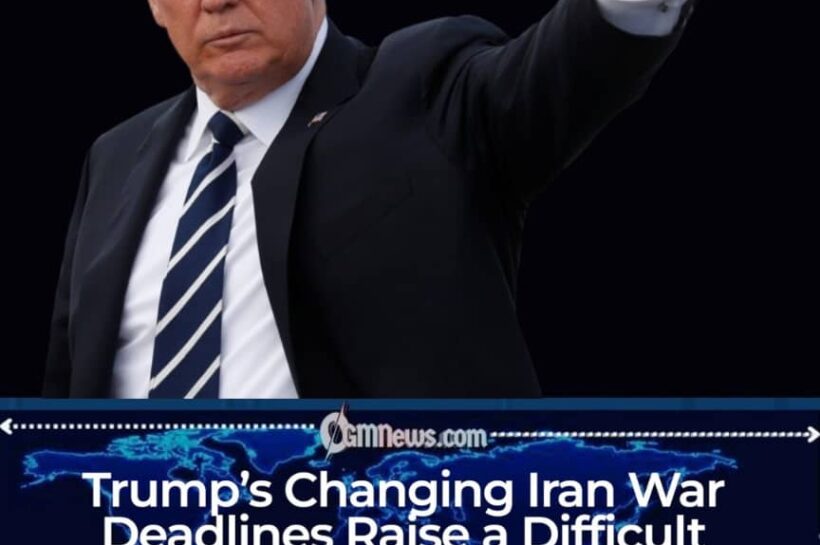




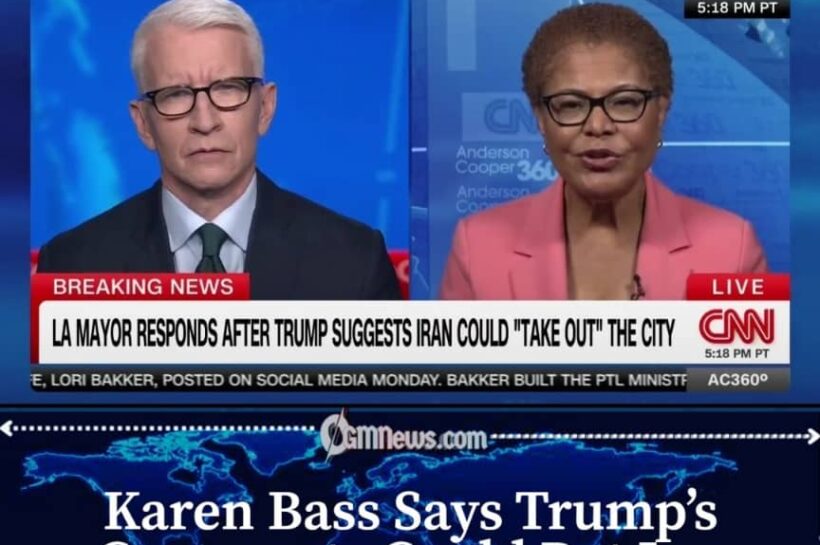













Donald Trump is facing renewed accusations of misleading Americans over the expected length of the Iran war after earlier statements suggested the conflict could be resolved within weeks. The dispute has intensified as the war enters its seventh month, with fact-checkers documenting several occasions in March when Trump and his administration publicly discussed a four-to-six-week timeline for achieving the operation’s objectives.
Donald Trump’s Weeks-Long Promise Meets a Seven-Month War
Donald Trump initially described the conflict in terms that gave Americans reason to expect a relatively short military campaign. On March 2, he said he had always thought the war would last about four weeks, while later statements referred to four to five weeks and four to six weeks. His then-press secretary, Karoline Leavitt, also repeatedly described four to six weeks as the administration’s estimated timeline for achieving the operation’s objectives.
But the calendar had other plans. What was supposed to be measured in weeks moved into months, then half a year, and now seven months. Critics have consequently accused Trump of lying to Americans, while Trump has since argued that his four-to-six-week statements referred specifically to eliminating Iran’s nuclear threat rather than ending the entire conflict. Fact-checkers have disputed that explanation, pointing to earlier comments in which Trump and his administration discussed the timeline in terms of the broader military operation.
Donald Trump Defends His Record as the Timeline Keeps Changing
The argument has gained another chapter as Donald Trump continues to manage the conflict. On October 8, Trump said the United States would not attack Iran before the November 3 midterm elections and said Washington and Tehran were engaged in productive discussions aimed at ending the six-month-old war.
That latest position comes after weeks of uncertainty over whether the United States might resume large-scale military action. The Pentagon had been preparing for potential major operations, while Trump had not made a final decision. The White House has therefore continued to face questions about what comes next, particularly after the president’s earlier predictions failed to match the length of the conflict.
For critics, the controversy is now less about one number on a calendar and more about whether Trump’s public promises created expectations that reality could not deliver. For Donald Trump’s defenders, the distinction between defeating Iran’s nuclear threat and formally ending the wider war remains important. With negotiations continuing and the possibility of renewed military action still hanging over the conflict, OGM News will continue watching the timeline — because in this particular war, apparently even the calendar has become part of the story.



[…] […]