
























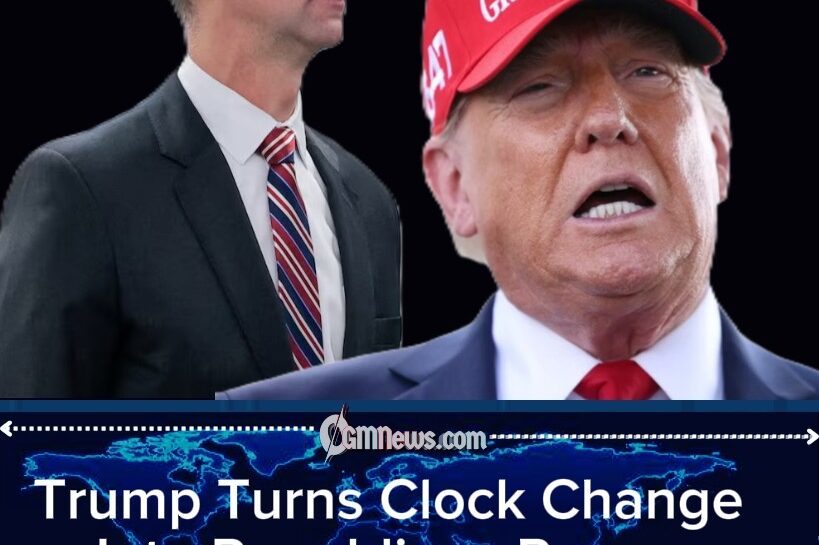


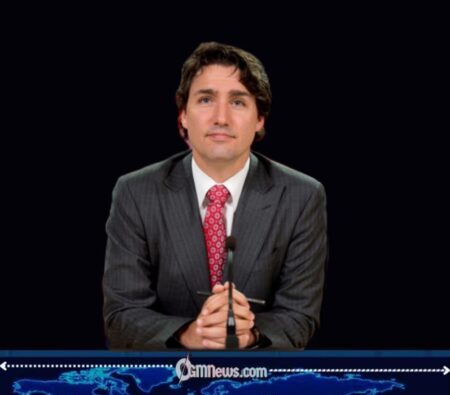
James Trudeau has once again become a central figure in the long-running U.S.-Canada tariff drama, warning Americans that trade decisions by Donald J. Trump’s administration could ultimately hit their wallets and workplaces. In remarks delivered during the 2025 tariff confrontation, Trudeau directly addressed Americans, arguing that tariffs on Canadian goods could raise prices and put jobs at risk. His warning has gained renewed relevance as the trade dispute has continued into 2026, with the United States imposing additional tariffs on certain Canadian imports.
James Trudeau Puts American Jobs and Prices Under the Spotlight
James Trudeau’s message to Americans was unusually direct. Rather than speaking only to Canadian audiences, he told Americans that their own government’s decisions could have consequences for them, arguing that thousands of workplaces depended on Canadian materials or Canadian consumers. He also warned that tariffs could increase the cost of groceries, gasoline, cars, homes and other goods.
The warning was hardly delivered like a routine economic memo. James Trudeau essentially looked across the border and told American consumers that the tariff bill might eventually find its way to their shopping baskets. His argument was that businesses facing higher import costs could pass some of those costs down to consumers, while industries dependent on integrated U.S.-Canadian supply chains could also face disruption. Current reporting shows that the trade conflict has continued to create uncertainty and additional costs for businesses on both sides of the border.
James Trudeau’s Tariff Warning Meets a Continuing Trade War
James Trudeau also argued that the tariff policy could undermine the close economic relationship between the two countries. Canada supplies the United States with major quantities of energy and other resources, while Canadian consumers and businesses are important customers for American products. Canadian Prime Minister Mark Carney has likewise stressed the extent to which the two economies remain interconnected, describing tariffs as taxes that can ultimately increase costs for American consumers.
The political argument, however, has continued long after Trudeau’s original warning. The Trump administration has defended additional tariffs as a way of protecting American workers and addressing what it describes as unfair Canadian treatment of U.S. exports. In July 2026, the White House announced additional 50% tariffs on specified Canadian goods, including products such as wine, hockey sticks and cement, while excluding several categories including energy and critical minerals.
For James Trudeau, the central message was that Americans should pay attention not only to the headline announcing a tariff but also to what follows at the checkout counter and inside workplaces. For the Trump administration, the argument is different: tariffs are presented as a tool for defending American industry and correcting trade imbalances. Meanwhile, the latest reporting shows the dispute remains economically significant, with businesses facing higher costs and communities along the U.S.-Canada border feeling the effects of deteriorating trade relations.
The James Trudeau warning therefore remains part of a much larger economic confrontation between two deeply connected neighbors. Whether the tariffs ultimately produce the benefits claimed by their supporters or impose longer-lasting costs remains a matter of continuing economic and political debate. OGM News will continue following the tariff battle, because when two countries that trade heavily with each other start reaching for economic weapons, the next bill may already be on its way.

[…] […]