




























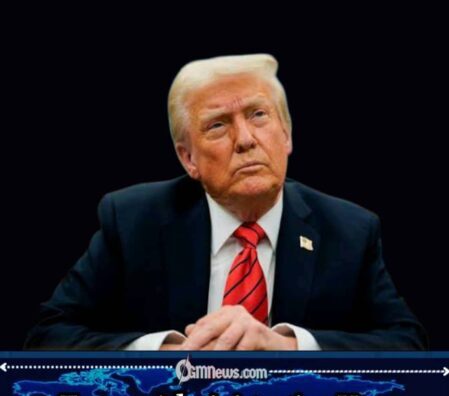
President Donald J. Trump has escalated the rapidly deteriorating U.S.-Canada trade relationship, threatening to raise tariffs on Canadian cars, trucks, auto parts and steel to 50% from January 1, 2027, after trade negotiations collapsed. The move turns what had briefly looked like a possible trade breakthrough into another chapter of North America’s increasingly expensive tariff drama.
The latest threat follows the breakdown of negotiations between Washington and Ottawa, with Trump accusing Canada of being difficult to deal with and declaring that the United States does not need its northern neighbour. Prime Minister Mark Carney, meanwhile, says Canadian negotiators rejected Washington’s final demands because they offered too little in return.
Trump Raises the Tariff Temperature
Trump announced the proposed increase on social media, saying the 50% duties would cover Canadian vehicles, trucks, automotive parts and steel beginning January 1, 2027. The threat would represent a major escalation in a dispute that has already produced tariffs on billions of dollars of Canadian exports.
In the satirical version of events, the North American trade table now appears to have acquired a new chair labelled “Tariff,” while negotiators on both sides apparently keep asking who ordered it. Behind the humour, however, lies a serious economic confrontation: the auto industry depends heavily on integrated cross-border supply chains, meaning higher duties can ripple through manufacturers, suppliers and consumers rather than stopping neatly at the border.
Carney Says Canada Was Asked to Pay Too Much
Carney said Canada had been prepared to make significant concessions, including changes involving strategic sectors, but rejected what he described as unfair and uneconomic last-minute American demands. On August 22, he said negotiations had been suspended because Washington’s proposed terms undermined the benefits Canada expected from any agreement.
Canada has also promised dollar-for-dollar retaliation against U.S. goods, with Ottawa saying additional countermeasures will take effect after the latest American tariff escalation. The dispute therefore risks becoming a familiar economic comedy in which Washington raises a tariff, Ottawa raises a counter-tariff, businesses raise their prices and consumers are left wondering who actually won the argument.
For now, the headline number is 50%, but the larger story is the uncertainty surrounding the future of the U.S.-Canada economic relationship. With negotiations suspended and both governments preparing further measures, readers should watch OGM News for future updates as the tariff battle develops—and as North America’s neighbours discover whether diplomacy can return to the negotiating table before the tariff calculator runs out of numbers


[…] […]