











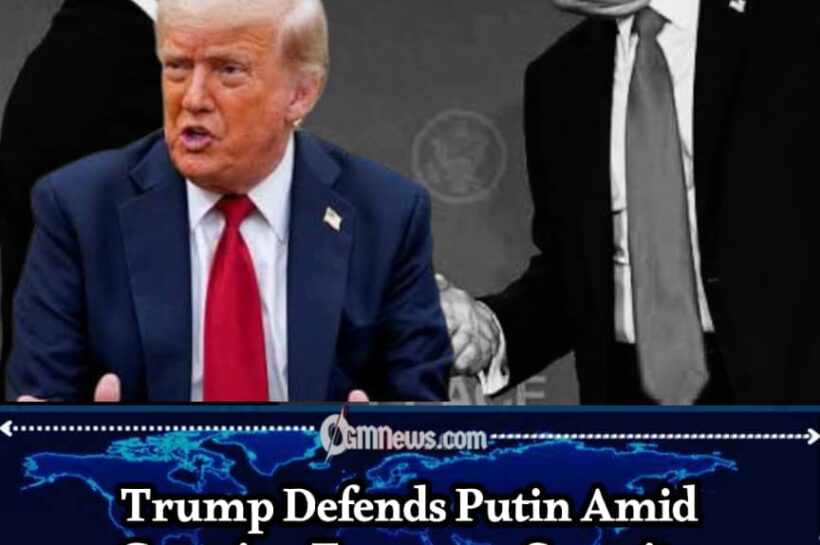





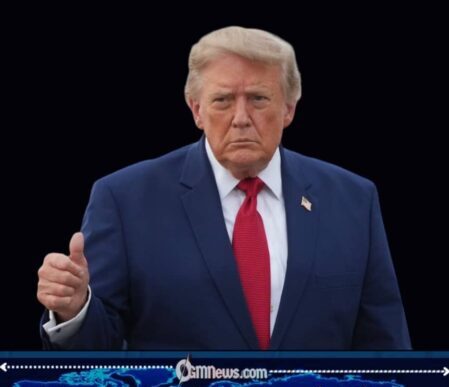
President Donald J. Trump has reportedly raised the stakes in the increasingly tense Strait of Hormuz crisis by saying the United States could declare the strategic waterway a U.S. territory after defeating Iran. The extraordinary proposal from Trump comes as Washington continues its confrontation with Tehran over control of the vital shipping route, turning what was once mainly a maritime security dispute into something increasingly resembling an international property argument
with warships apparently serving as the estate agents.
From “Guardian” to Possible Landlord
Trump’s latest declaration follows earlier statements in which he said the United States would become the “guardian” of the Strait of Hormuz and suggested that countries benefiting from the waterway should compensate Washington for securing it. He later described the United States as having “total control” of the strait, while the U.S. maintains a naval blockade amid continuing tensions with Iran.
In the latest twist, however, the language has moved beyond guarding or controlling the passage. Trump’s reported plan to declare Hormuz U.S. territory could turn the already explosive dispute into an even bigger international controversy. At this rate, observers may soon expect the U.S. government to unveil a welcome sign, immigration desk and perhaps a small souvenir shop for every tanker entering the waterway.
Hormuz Is Not Exactly Waiting for a New Flag
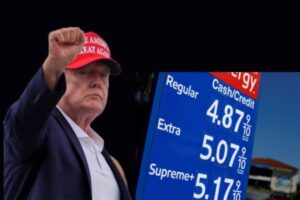
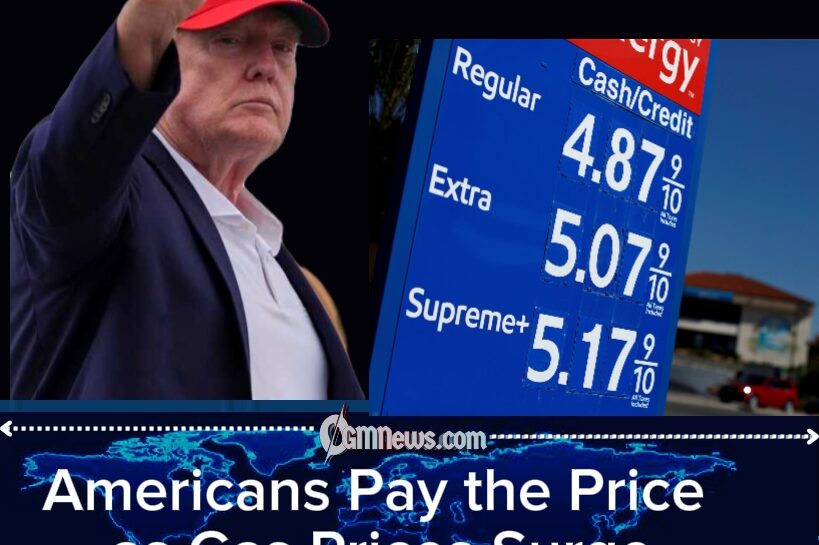
The Strait of Hormuz is a narrow but critically important international waterway between Iran and Oman through which roughly one-fifth of global oil supplies normally pass. Its strategic importance means any serious disruption can quickly affect energy prices and international trade. Recent tanker attacks and the continuing confrontation have already pushed oil prices higher, demonstrating just how much the world economy depends on the strait remaining open.
But declaring a waterway U.S. territory is not simply a matter of making an announcement. International maritime law does not generally allow a country to unilaterally claim international waters as its sovereign territory, and experts have stressed that the Strait of Hormuz has long been treated as an international waterway. Iran, meanwhile, continues to reject American claims of control and insists on its own position over the strait.
The developing story therefore leaves the world watching a remarkable contest over one of the planet’s most important waterways. Whether Trump’s territorial proposal becomes a serious policy initiative, another negotiating weapon or simply the latest chapter in the extraordinary Hormuz confrontation remains to be seen. For now, OGM News will continue watching closely because if the next announcement involves issuing U.S. passports to oil tankers, readers will want to hear it here first.


[…] […]