





























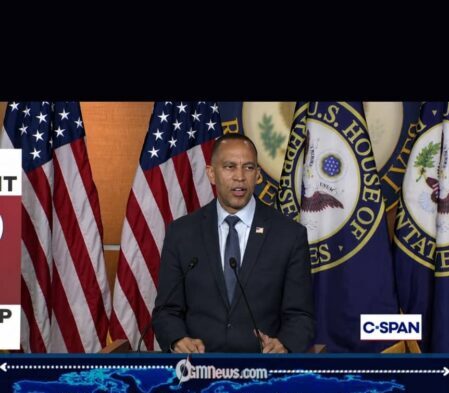
Michael Mulgrew, president of the United Federation of Teachers (UFT), who has criticized Mayor Zohran Mamdani’s approach to the city’s literacy initiative and called for changes in how the program is being implemented. The results have reignited questions about whether NYC Reads is delivering the progress promised by its supporters.
Preliminary results indicate that about 50.3% of New York City students in grades 3 through 8 reached proficiency in ELA, down from approximately 56% the previous year. The decline was particularly pronounced among some elementary grades, raising concerns among parents, educators and education advocates. Statewide performance also fell, suggesting that New York City is facing part of a broader literacy challenge rather than an isolated city problem.
Michael Mulgrew Puts NYC Reads Under the Microscope
Michael Mulgrew has questioned whether the city has provided teachers with enough clarity and consistency in implementing NYC Reads. The UFT president has called for better instructional planning, less paperwork and fewer competing assessments, arguing that teachers need to spend more time teaching children and less time navigating layers of administrative requirements.
For Michael Mulgrew, the latest test results are not simply numbers on a spreadsheet. They raise practical questions about what teachers are being asked to do in classrooms and whether the city’s literacy strategy is being implemented effectively. His criticism puts additional pressure on Mamdani’s administration to demonstrate that the programme can translate its evidence-based ambitions into measurable improvements for students.
The controversy is particularly interesting because NYC Reads did not originate with Mamdani. The literacy overhaul began under former Mayor Eric Adams and was designed around structured, evidence-based reading instruction, including greater emphasis on phonics. Mamdani’s administration inherited the programme and has continued supporting it, meaning the latest results have placed both the current administration and the education system’s existing strategy under scrutiny.
In the political classroom, the usual question has now returned: When scores rise, who gets the credit, and when they fall, who gets the blame? Last year’s results offered plenty of encouragement after ELA proficiency increased substantially. This year’s decline has now complicated that success story and given critics, including Michael Mulgrew, fresh ammunition to demand a closer examination of what is happening inside classrooms.
Mamdani Defends Literacy Strategy as Mulgrew Demands Answers
Mayor Zohran Mamdani has resisted calls to abandon NYC Reads, maintaining confidence in the programme and its research-based approach. Schools Chancellor Kamar Samuels has similarly defended the initiative, arguing that the administration intends to strengthen the programme while studying the reasons behind the latest decline.
But Michael Mulgrew is making clear that teachers cannot simply be handed another set of instructions and expected to produce dramatically different results overnight. His concerns focus on implementation, classroom conditions and the need for teachers to receive coherent guidance rather than being overwhelmed by competing programmes, paperwork and assessments.
The dispute also comes against the backdrop of wider tensions between City Hall and the UFT over education policy and teacher compensation. The City Council has approved a proposed $10,000 increase for paraprofessionals, while Mamdani has argued that compensation matters should generally be addressed through collective bargaining. Michael Mulgrew has pushed the administration to support the increase, linking better compensation to staffing and the ability of schools to meet students’ needs.
That combination of falling reading scores and labour tensions creates an awkward assignment for the Mamdani administration. Michael Mulgrew wants educators to have better conditions and clearer instructional direction, while City Hall must demonstrate that its literacy policies can produce results. Parents, meanwhile, are less interested in the political argument than in the most basic classroom question: Can their children read better next year than they do today?
The preliminary nature of the results also means the numbers should not yet be treated as the final judgment on NYC Reads. State and city education officials are expected to conduct further analysis to understand the reasons behind the decline. Testing experts have also noted that substantial year-to-year changes deserve careful examination before conclusions are drawn about the effectiveness of a particular curriculum.
Still, Michael Mulgrew has succeeded in moving the literacy debate from a technical education discussion into a major political conversation about accountability. The coming school year will provide the Mamdani administration with an opportunity to demonstrate whether adjustments to NYC Reads can reverse the decline. For Michael Mulgrew, teachers and parents, however, the ultimate report card will not be written by City Hall or the union—it will be reflected in whether students actually become stronger readers. OGM News will continue following the battle over NYC Reads, the city’s reading scores and the increasingly important role of Michael Mulgrew in demanding answers.


[…] […]