

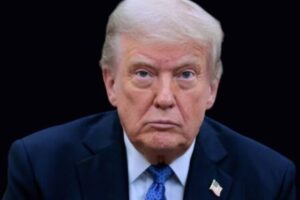
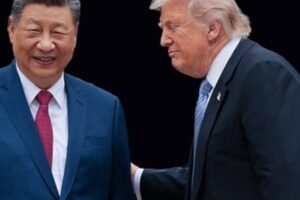
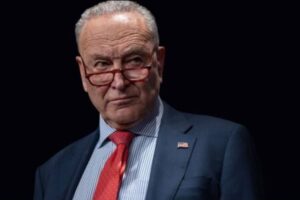

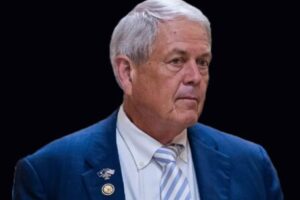



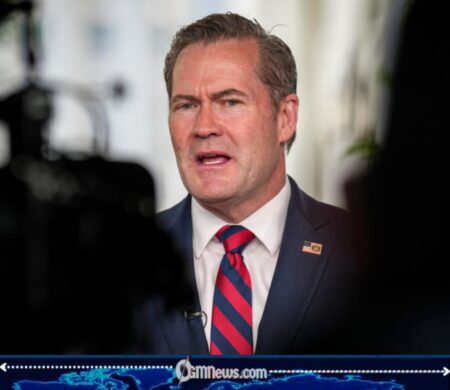
According to a trusted scoop received by OGM News, U.S. Ambassador to the United Nations Mike Waltz has suggested that Washington’s economic pressure campaign may be becoming Tehran’s biggest headache, claiming Iranian negotiators are repeatedly asking for access to money and frozen assets. Waltz said Treasury Secretary Scott Bessent’s financial operation is “devastating the Iranian economy” and joked that Iranian officials may currently fear Bessent more than Defense Secretary Pete Hegseth. The comments arrive as negotiations over the conflict, sanctions, the blockade and the Strait of Hormuz remain deeply complicated.
When the Financial Department Starts Looking Scarier Than the Defense Department
Waltz’s colourful assessment paints an unusual picture of the current US. strategy: Iran may be able to withstand military strikes, but apparently the arrival of another sanctions package could make Tehran suddenly interested in the fine print of diplomacy. He claimed Iranian representatives repeatedly bring up “cash” during negotiations, arguing that the economic squeeze is becoming a major source of pressure on the Iranian leadership.
There is some wider context behind the claim. The Trump administration has intensified sanctions against Iranian oil networks, digital-asset platforms and other financial channels under its “Economic Fury” campaign. Treasury Secretary Scott Bessent has explicitly described the strategy as an effort to deprive Iran’s government and military of financial resources.
Iran Wants Its Money Back While Washington Wants Concessions
Waltz argued that Iranian leaders are particularly concerned about the collapse of their currency and severe inflation, rather than simply the damage inflicted by military action. His comments echo a broader American argument that economic pressure can eventually force Tehran toward concessions by making the cost of continuing the confrontation increasingly difficult to sustain.
Yet Tehran has hardly been behaving like a government preparing to simply surrender its negotiating position. Recent reports indicate that Iran has itself demanded major concessions from Washington, including an end to the blockade, sanctions relief, the release of frozen assets, compensation and changes to the U.S. military posture before the Strait of Hormuz can fully reopen.
The result is a diplomatic contest in which everybody appears to have arrived carrying a shopping list. Washington wants Iran to move; Tehran wants its money and other concessions; and the Strait of Hormuz remains one of the biggest pieces on the negotiating table. Meanwhile, US. officials have increasingly argued that economic pressure could inflict longer-term damage than military strikes, although critics warn that sanctions and blockades also carry serious consequences for civilians and regional markets.
For now, the central question is whether the financial squeeze can actually produce the concessions Washington wants or whether Tehran will continue bargaining aggressively for sanctions relief and access to its frozen funds. With President Donald J. Trump’s administration still pursuing economic and military leverage while indirect negotiations continue, OGM News advises readers to watch this space closely: the next round of talks could reveal whether Iran fears the Treasury more than the battlefield—or whether both sides are simply trying to convince the other that their pressure campaign is working.
Players know how important it is to find a platform that respects your time and...