





























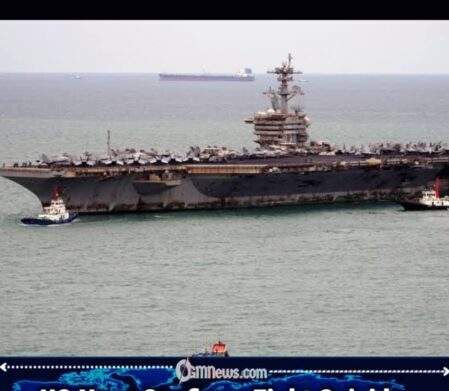
The USS Abraham Lincoln carrier strike group has returned from an extraordinarily long deployment carrying more than battle records and operational statistics back to shore. Acting US Navy Secretary Hung Cao has confirmed in a letter to Senator Kirsten Gillibrand that eight personnel across the strike group attempted suicide during the deployment, with the disclosure adding a deeply serious dimension to months of concerns over morale, living conditions and the strain placed on sailors during operations connected to the US war with Iran.
286 Days at Sea, and the Human Cost Finally Surfaces
Cao’s letter, written in response to Gillibrand’s questions about the quality of life aboard the fleet, said the eight attempts involved personnel across the carrier, air wing, strike-group and destroyer-squadron staffs, escorting destroyers and embarked aviation squadrons. The Navy has said there were no suicides during the deployment, but the confirmed attempts nevertheless provide a stark measure of the psychological pressure surrounding an exceptionally demanding mission.
The Lincoln spent 286 days on its deployment before reaching Thailand in September, after an originally planned return in May was pushed back as the conflict continued. Earlier reporting had already raised concerns about exhaustion, deteriorating morale, shortages and incidents involving sailors attempting to go overboard. One sailor’s attempt in March was stopped by shipmates, while another sailor went overboard in August, was rescued and subsequently received medical treatment before being transferred away from the ship.
Lincoln: When “Mission Accomplishment” Meets the Reality Below Deck
The controversy is not simply about how long the ship remained at sea. Reports in August described allegations involving mold in showers, shortages of food and basic supplies, broken facilities and prolonged disruption to everyday services. Cao acknowledged delays in replenishing supplies and said the number of entrée choices had temporarily been reduced from two to one to support endurance during the mission, while maintaining that four nutritionally balanced meals were served each day.
The Navy has also pushed back against portrayals of the deployment as a breakdown in leadership or care. In August, Cao said the mission had been extended because operational demands required it and emphasized that sailor welfare remained a leadership responsibility. Other senior military officials similarly said that concerns involving food, hot water and other conditions had been addressed. The newly disclosed figure of eight suicide attempts, however, ensures that the debate over the deployment cannot be reduced to an argument about whether a particular news report exaggerated conditions; the underlying question is how an extremely prolonged combat deployment affected the people ordered to carry it out.
For the Trump administration, including current president Donald J. Trump and Defense Secretary Pete Hegseth, the disclosure creates another uncomfortable chapter in an argument that has already involved competing accounts of conditions aboard the Lincoln. Senator Gillibrand has argued that earlier warnings about sailors’ welfare were dismissed, while Navy officials maintain that sailor health, wellbeing and morale are priorities. Those competing accounts are now accompanied by an official number that is difficult to ignore: eight suicide attempts across the strike group during the deployment.
The USS Abraham Lincoln story therefore moves beyond the familiar language of sorties, endurance and mission accomplishment. Eight suicide attempts are now part of the official record of the deployment, and that fact is likely to keep questions about military welfare, command accountability and the consequences of prolonged combat operations alive long after the carrier has left the headlines. OGM News will continue watching for further developments as Congress, the Navy and affected service members provide more answers about what happened aboard one of America’s most heavily deployed warships.



mjpKyJqtopJmUkjsHEeNp