



























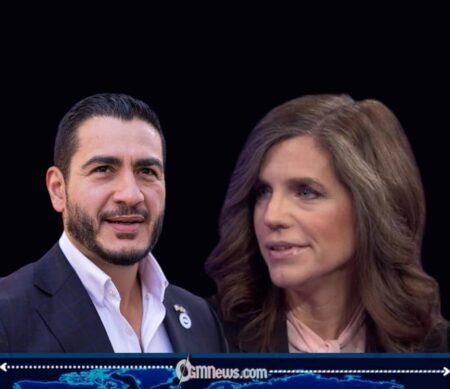
Republican Congresswoman Nancy Mace has sparked fresh controversy with a dramatic warning about what the future could supposedly look like if Abdul El-Sayed reaches the U.S. Senate. In the statement supplied to OGM News, Mace declared: “In the future when our granddaughters are wearing burkas to school, we’re going to look back and say ‘how did this happen?’” The remark arrives as El-Sayed, a progressive Democrat and Muslim physician, prepares for the November Michigan Senate election after defeating Rep. Haley Stevens in the Democratic primary.
THE “BURKA” WARNING ENTERS THE POLITICAL RING
Mace’s warning has added another layer of drama to an already heated political contest. Rather than debating taxes, healthcare, jobs or the economy, the political conversation has once again wandered into the territory of identity, religion and cultural fears. El-Sayed’s campaign, meanwhile, presents him as a Michigan-born public servant whose priorities include healthcare, affordable housing, education, civil rights and economic issues.
The irony is that El-Sayed is campaigning for a Senate seat, not opening a school uniform factory. His victory in the Democratic primary has nevertheless made him a major target for conservative criticism, with opponents portraying his progressive policies and Muslim identity as symbols of a much larger political transformation. The controversy therefore risks turning a serious Senate contest into a competition over who can produce the most alarming prediction about tomorrow.
MICHIGAN RACE TURNS INTO A NATIONAL CULTURE WAR
El-Sayed’s victory has already attracted national attention because Michigan is considered an important battleground in determining the balance of power in Washington. He defeated Stevens in a closely watched Democratic primary and now faces Republican Mike Rogers in the November general election. His campaign is built around issues such as Medicare for All, affordable housing, economic reform and taking corporate money out of politics.
For Nancy Mace, however, the political thermometer appears to have moved from policy debate to cultural alarm. The burka prediction has inevitably invited questions about whether American voters are being asked to judge candidates by their proposed policies or by fears surrounding their religion and background. In a country where elections are supposed to be settled by voters, ballots and arguments, the growing spectacle suggests that the 2026 campaign may have plenty more surprises before November.
As the Michigan Senate race gathers momentum, OGM News will continue watching whether the debate returns to the issues voters can actually vote on—or whether politicians will keep producing futuristic warnings that sound more suitable for a political comedy than a Senate campaign. For now, El-Sayed’s candidacy remains a significant test of Michigan’s political mood, while Mace’s comments have ensured that the cultural battle surrounding the race is far from over.

[…] […]