

























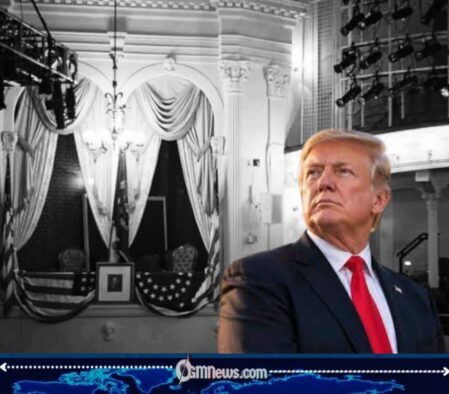
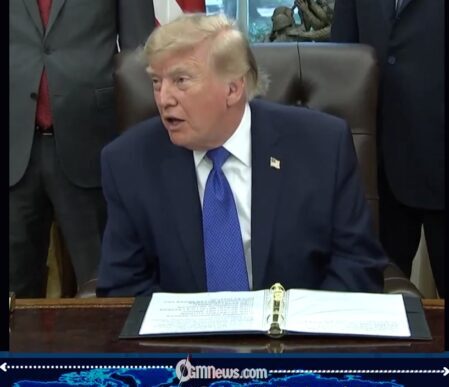
Ford’s Theatre has become the center of a new political controversy after President Donald Trump rejected a report that administration officials had considered adding his name to the historic Washington landmark where Abraham Lincoln was assassinated in 1865. Trump called the allegation “a ridiculous lie” and “FAKE NEWS,” questioning why anyone would want their name attached to such a site.
The denial followed a report from MS NOW that administration officials had circulated a list of government sites that could potentially carry Trump’s name. Ford’s Theatre was reportedly among the locations discussed, although the report did not establish that a formal decision had been made or explain how such a renaming would occur.
Trump Rejects the Ford’s Theatre Claim
Ford’s Theatre is one of Washington’s most historically significant landmarks. Lincoln was assassinated there by John Wilkes Booth on April 14, 1865, and the site now operates as both a theater and museum under the federal government.
Trump’s response was unequivocal. He said the White House or himself wanting to affix his name to the theater was a false claim and asked, “Who would possibly want a name on such a tragic place?” The White House separately denied the report, while an Interior Department spokesperson also said the claim was not true.
A Disputed Report Amid Broader Naming Battles
Ford’s Theatre would also present a legal complication if anyone attempted to formally change its name. Reporting notes that the site’s name is established by federal statute, meaning a formal renaming would likely require congressional action.
The controversy comes amid wider disputes surrounding efforts to attach Trump’s name to prominent American institutions. His administration has faced legal challenges over the Trump-Kennedy Center name change, while other reports have described discussions involving additional government properties. Those separate controversies provide context for why the Ford’s Theatre report attracted immediate attention, but they do not establish that Trump personally sought the theater’s renaming.
The key distinction remains important: a reported discussion is not the same as an official proposal or decision. In this case, the White House and Interior Department have denied the Ford’s Theatre claim, and Trump himself has publicly rejected it.
For now, the historic theater remains Ford’s Theatre, and there is no announced change to its name. The dispute instead highlights the continuing argument over presidential branding, historical landmarks and the limits of executive authority over federally protected sites.
Ae888covenuscasino, okay, I'm curious. Gonna check out this site and try to find some amazing...