


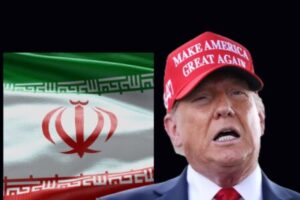
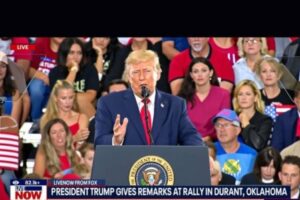







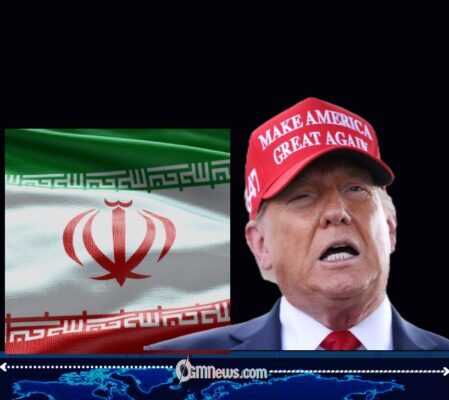
The Strait of Hormuz has once again become the centre of global attention after President Donald J. Trump suggested that wealthy Gulf nations should reimburse the United States for protecting one of the world’s busiest oil routes. The proposal, which sounded more like the unveiling of an international billing system than a traditional foreign policy statement, argues that countries benefiting from American military protection should help cover the cost instead of leaving U.S. taxpayers to shoulder the burden alone. The remarks have reignited debate over burden-sharing, regional security, and whether safeguarding a vital global shipping lane should come with an invoice.
Strait of Hormuz: Protection Comes with a Price Tag
The Strait of Hormuz has long been regarded as one of the world’s most strategic maritime passages, carrying roughly one-fifth of global oil trade each day. For decades, the United States has maintained a strong naval presence in the region to protect commercial shipping, deter regional threats, and ensure that energy exports continue reaching international markets. Any disruption in the narrow waterway has the potential to send oil prices soaring and unsettle economies across the globe.
President Trump, however, has introduced a different approach to the long-standing security arrangement. Instead of treating military protection as a permanent strategic responsibility, the current president suggested that affluent Gulf allies, including Saudi Arabia, the United Arab Emirates, Qatar, Bahrain, and Kuwait, should reimburse Washington for keeping the shipping lane secure. Reports also indicate that his proposal included the possibility of charging ships a security fee for using the vital waterway, transforming what has traditionally been a military mission into something resembling a premium protection service.
Strait of Hormuz: A Global Shipping Lane or a Premium Security Service?
The proposal has sparked fresh debate among diplomats, legal experts, and maritime analysts. International shipping through the Strait of Hormuz has long operated under the principle of freedom of navigation, and many observers argue that introducing security charges could raise complex legal and diplomatic questions. Others believe the suggestion reflects Trump’s broader “America First” philosophy, which seeks greater financial contributions from allies benefiting from U.S. military commitments around the world.
Whether the proposal ultimately becomes official policy or remains another headline-grabbing statement, the Strait of Hormuz has once again become the focal point of international attention. For Gulf nations, energy exporters, shipping companies, and global markets, the conversation extends well beyond who pays the bill. It touches on the future of international alliances, regional stability, and America’s role in protecting one of the world’s most important trade routes. If diplomacy were run like a subscription platform, critics joked that the next notification to America’s allies might simply read: “Your security plan is due for renewal. Please settle your outstanding balance.”
As discussions continue, governments, investors, and shipping operators will be watching closely to see whether President Trump’s proposal evolves into formal policy or remains political rhetoric. Whatever the outcome, the debate has already reshaped conversations about burden-sharing, global security, and the cost of protecting international trade through the Strait of Hormuz. OGM News will continue to monitor developments and provide timely updates as this important story unfolds.
I have been looking for a trustworthy gaming site for a while and this one...