



















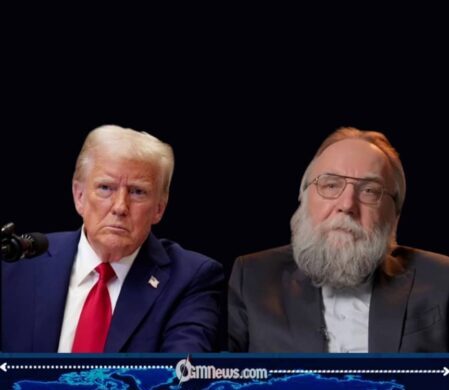
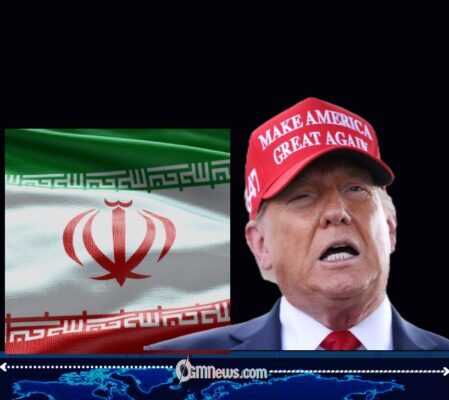
A fresh political storm has erupted after Russian political philosopher Alexander Dugin claimed that the death of U.S. Senator Lindsey Graham could have been a warning directed at current U.S. President Donald J. Trump. According to Dugin, Mossad—not Iran—may have been responsible in an alleged attempt to drag the United States into a wider conflict with Iran. While the remarks have generated intense online discussion, no evidence has been presented to support the allegation, and officials have not suggested foul play.
The extraordinary claim has once again placed geopolitics, intelligence agencies and international conspiracy theories under the global spotlight. In the satirical world of politics, social media detectives have already promoted themselves to “chief investigators,” while armchair analysts are working overtime with imaginary classified files and invisible evidence.
When Speculation Travels Faster Than Facts
The death of Senator Lindsey Graham shocked Washington, prompting tributes from political allies and world leaders. Graham was widely known as one of President Donald J. Trump’s closest congressional allies on foreign policy, making his sudden passing a major political event. Official reports have attributed his death to natural medical causes, while authorities have not announced any criminal investigation.
Despite those official accounts, Dugin’s comments quickly spread across social media, where dramatic theories often travel much faster than verified information. In the satirical version of events, internet investigators declared coffee mugs, flight schedules and weather forecasts to be “critical evidence,” proving once again that online speculation rarely waits for facts to catch up.
Politics, Propaganda and the Rumour Factory
International tensions involving the United States, Iran and Israel have remained high in recent months, making almost every major political event vulnerable to competing narratives and geopolitical propaganda. Analysts frequently warn that periods of heightened conflict often become fertile ground for misinformation, conspiracy theories and psychological influence campaigns.
For observers, Dugin’s statement highlights how influential public figures can shape conversations even without presenting verifiable proof. In today’s digital environment, one dramatic claim can circle the globe before investigators finish their first briefing. Satirically speaking, if rumours were renewable energy, the internet would have solved the world’s electricity crisis years ago.
Whether Dugin’s comments fade away or continue generating international debate, the episode demonstrates how quickly speculation can dominate global conversations following major political developments. OGM News will continue monitoring official investigations, verified statements and international reactions as this story develops. Readers should watch out for future updates as facts—not rumours—continue to emerge.
I have been looking for a trustworthy gaming site for a while and this one...