






















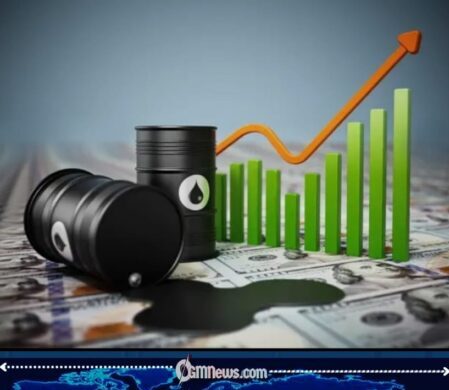
Global oil markets experienced another wave of uncertainty after a weekend of strikes between the United States and Iran sent crude prices climbing, reminding the world that oil remains highly sensitive to political tension. Brent crude, the international benchmark, jumped about 3.9% to around $78.99 per barrel, while US crude increased by more than 3% to approximately $73.87 per barrel.
The increase came as investors reacted to renewed fears over instability in the Middle East, particularly concerns surrounding the Strait of Hormuz, one of the world’s most important energy shipping routes. However, despite the headlines and dramatic market movements, analysts noted that the price reaction was relatively limited compared with previous crises.
Oil Markets Traders Watch Conflict Like Football Final as Market Searches for Calm
According to energy analysts, crude prices have remained below their previous highs after reaching around $115 per barrel in April. The market has been supported by expectations that major disruptions to oil markets supplies can still be avoided, especially as President Donald Trump has emphasized the importance of keeping the Strait of Hormuz open to prevent what he described as a serious economic and financial crisis.
The latest price movement showed the familiar pattern of global energy markets: whenever conflict enters the conversation, oil markets traders immediately start calculating risks. For some investors, every military announcement becomes a market signal, while consumers around the world wait nervously to see whether another increase could eventually reach fuel pumps and household expenses.
Strait of Hormuz Remains the World’s Most Watched Oil Highway
The Strait of Hormuz continues to hold major importance for global energy security because a significant amount of the world’s oil supply passes through the narrow waterway. Any possible disruption creates immediate concern among governments, businesses and consumers who depend on stable energy prices.
The situation has once again highlighted how connected global economies are to events happening thousands of miles away. While oil markets have avoided a major shock for now, traders remain on alert, watching diplomatic statements, military developments and any signs that the conflict could expand.
OGM News reports that the latest oil price rise reflects growing concerns over US-Iran tensions, but the oil market response remains cautious as investors hope a wider energy crisis can be prevented. As the situation continues to develop, readers should stay tuned for future updates on how the conflict may affect global oil prices, fuel costs and the wider economy.


Just discovered this spot and honestly the withdrawal speed is insane. I tested it with...