



























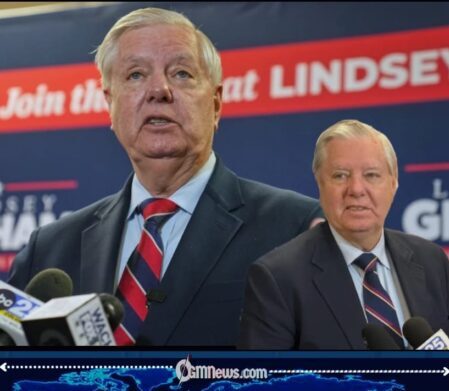
Lindsey Graham Sudden Illness has shocked the American political landscape after the office of the South Carolina senator announced that he died at the age of 71 following what was described as a “brief and sudden illness.” The unexpected announcement has created a wave of reactions across Washington, where lawmakers, supporters, and critics are reflecting on the career of one of the Senate’s most recognizable figures.
Lindsey Graham’s death marks the end of a political journey that lasted for decades and placed him at the heart of some of America’s biggest national debates. His passing has also sparked fresh conversations about his influence, his controversies, and the future of the political space he occupied for more than 20 years.
A Political Giant With a Career Filled With Battles
The death of Lindsey Graham brings an end to a long chapter in South Carolina politics. Graham had served as a United States senator representing South Carolina since 2003, building a reputation as a strong voice on issues including national security, defense, foreign policy, and the role of America in global affairs.
Throughout his Senate career, Graham became known for his willingness to take strong positions on major issues, often placing himself in the middle of heated political disagreements. Supporters viewed him as a committed public servant who defended his beliefs, while critics frequently challenged his decisions and questioned some of his political alliances.
The Sudden Illness that ended his life came as a surprise to many observers, especially because Graham remained active in political discussions and continued to be a familiar presence in Washington circles. His office’s announcement immediately turned attention toward his decades of service and the impact he had on American politics.
A Complicated Legacy and Questions About the Future
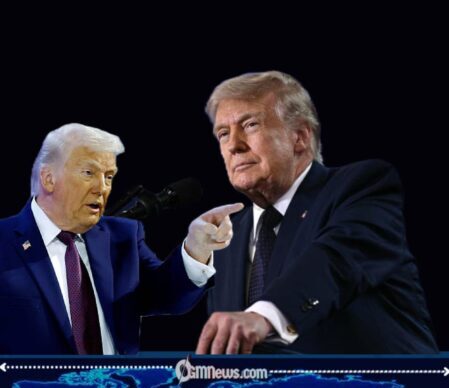
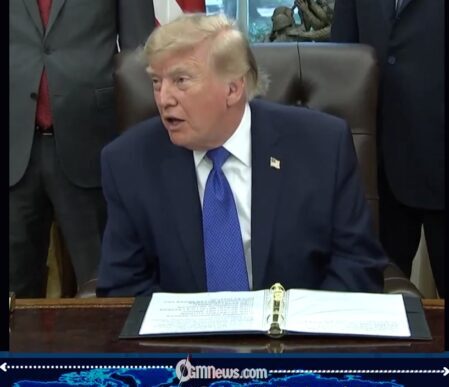
Lindsey Graham’s political legacy is expected to remain a subject of debate long after his passing. Over the years, he became one of the Republican Party’s most recognizable senators, developing close ties with several party leaders, including current President Donald Trump, while also navigating moments of disagreement and political tension.
His career reflected the changing nature of American politics, from foreign policy debates to Supreme Court battles and election controversies. Lindsey Graham often found himself in situations where his supporters celebrated his leadership while opponents criticized his approach, making him a figure who rarely avoided public attention.
The Sudden Illness announcement has also raised questions about the future political landscape in South Carolina and within the Senate. The absence of a long-serving lawmaker with Graham’s experience could create new opportunities for emerging political figures while leaving a significant gap among senior voices in Congress.
As Americans continue to react to the death of Lindsey Graham, attention will now focus on tributes, the transition process, and how his departure may influence the future direction of political discussions. His career leaves behind a complicated but undeniable mark on Washington, where his voice remained part of the national conversation for more than two decades.

[…] […]