














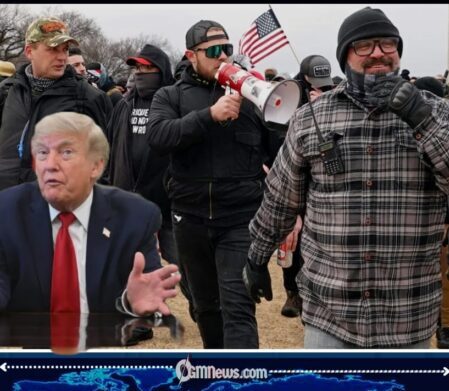
The January 6 case involving several Proud Boys members has taken a dramatic turn after a federal judge dismissed the seditious conspiracy prosecution following a request from President Donald Trump’s Justice Department. The decision has reignited a national debate over executive power, accountability, and the long-term consequences of the Capitol attack that shocked the United States in 2021.
The ruling represents a major shift from the legal approach taken during the Biden administration, which described the prosecution of the Proud Boys as a landmark effort to hold accountable those accused of playing leading roles in the events surrounding the Capitol riot. The dismissal has now placed one of the most significant January 6 prosecutions at the center of a fresh political and legal controversy.
Courtroom Reversal: Proud Boys Case Ends After Justice Department Request
The Proud Boys case was built around allegations that members of the group participated in a coordinated effort connected to the January 6, 2021 attack on the U.S. Capitol. Several members were previously convicted of seditious conspiracy, a serious federal charge that prosecutors argued reflected an organized attempt to oppose the lawful transfer of presidential power.
The latest development came after the Justice Department under President Donald Trump requested that the case be dismissed. U.S. District Judge Timothy Kelly, who was appointed during Trump’s first administration, approved the request while stating that the court lacked the authority to force the executive branch to continue a prosecution it no longer wished to pursue.
Judge Kelly’s decision highlighted the unusual nature of the situation: while the court oversees legal proceedings, the executive branch controls federal criminal prosecutions. The ruling effectively ended the case while also drawing attention to the complicated relationship between judicial independence and presidential control over the Justice Department.
The decision has created a political storm, with supporters arguing that the dismissal represents a correction of what they consider excessive prosecution, while critics claim it undermines accountability for one of the most serious attacks on a U.S. government institution in modern history.
Political Fallout: January 6 Case Debate Returns to National Spotlight
The January 6 case has become one of the most politically sensitive legal battles in recent American history. The prosecutions that followed the Capitol attack resulted in hundreds of convictions and became a central part of the national debate over democracy, law enforcement, and political responsibility.
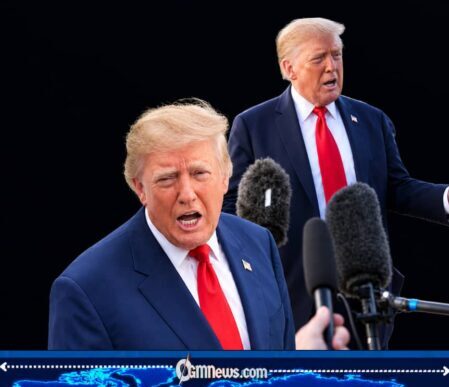
President Donald Trump has long criticized many January 6-related prosecutions involving his supporters. On returning to office, his administration moved to change the federal government’s approach toward several cases connected to the Capitol riot, including seeking dismissals and extending clemency measures for some defendants.
Supporters of the move say the administration is addressing what they describe as unfair treatment of individuals involved in the events of January 6. They argue that some cases were influenced by political pressure rather than a balanced approach to justice.
Opponents, however, warn that dismissing major prosecutions could weaken public confidence in the justice system and create concerns about whether future administrations might reverse politically inconvenient cases. The debate has expanded beyond the Proud Boys alone, touching on broader questions about presidential authority and the independence of federal prosecutors.
The dismissal of the Proud Boys case may have closed one chapter of the January 6 legal saga, but the wider argument over justice, accountability, and political influence is expected to continue. As America remains divided over how history should judge the Capitol attack, the consequences of this decision will likely be debated for years to come.

Logging in is a breeze and the site stability is amazing even during peak hours....