



























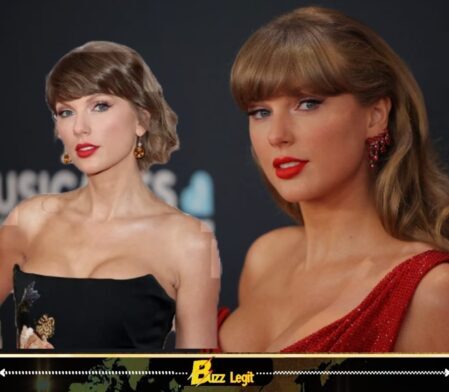
Copyright Victory has become the latest headline surrounding Taylor Swift after the global music superstar reportedly secured a major legal win days after her marriage to NFL star Travis Kelce. The dismissal of a copyright infringement lawsuit has given Swift another reason to celebrate, but the courtroom decision has also reopened discussions about creativity, ownership and the difficult boundaries of intellectual property in the entertainment industry.
The development has attracted widespread attention because Swift’s personal milestone and professional achievement arrived almost at the same time. While fans celebrated what appeared to be a perfect winning streak for the singer, legal observers noted that the decision was based on copyright principles rather than celebrity status, with the court focusing on whether the claims met the required legal standards.
Original Report: Swift Moves From Wedding Celebration To Courtroom Triumph
The original report presented a dramatic turn of events for Taylor Swift, who reportedly followed her wedding celebrations with another major victory after a copyright lawsuit against her was dismissed. The case involved allegations that elements of her creative work were similar to another person’s material, leading to a legal battle that placed one of the world’s biggest entertainers under public scrutiny.
Copyright Victory became the centre of attention as supporters celebrated the outcome and critics continued debating the challenges faced by famous artists. In the world of music, where emotions, phrases and themes are often shared across countless songs, disputes over originality have become increasingly common.
The court’s decision highlighted the importance of evidence in copyright cases. Legal protections generally cover original creative expression rather than broad ideas, common phrases or general themes that appear across different works. The ruling therefore focused on whether there was enough proof of unlawful copying rather than public opinions surrounding the singer.
Copyright Victory Debate: The Bigger Conversation Behind The Lawsuit
The case reflects a wider issue affecting the entertainment industry: how to protect creators while ensuring artists can continue drawing inspiration from everyday experiences, emotions and cultural conversations. Music, poetry and storytelling often overlap because they are built around shared human experiences.
Copyright Victory does not mean creative disputes will disappear, but it reinforces the importance of understanding the difference between inspiration and infringement. Many legal battles involving musicians have shown that proving copyright violations requires more than pointing out similar words, ideas or feelings.
Swift’s latest legal challenge also adds to a long history of high-profile copyright disputes involving major entertainers. Such cases often become public debates because they involve famous personalities, passionate fan communities and questions about how creative ownership should work in a rapidly changing entertainment landscape.
For now, Taylor Swift appears to have closed another chapter of legal uncertainty while continuing her journey as one of the most influential figures in modern music. The Copyright Victory may have ended one courtroom battle, but conversations about originality, artistic freedom and ownership are likely to continue shaping the future of entertainment.



[…] […]