



















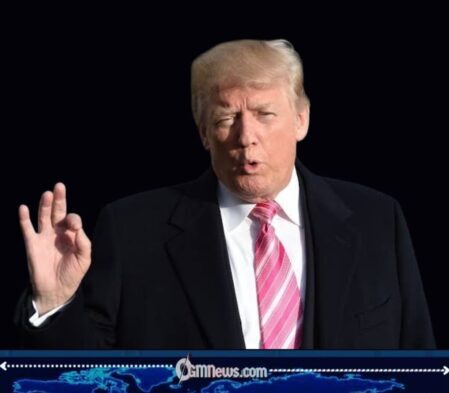
Donald Trump’s strategy to restore confidence in one of the world’s most important maritime corridors is beginning to deliver results. New shipping data indicate that vessel transits are showing their strongest signs yet of returning to normal operations after weeks of heightened tensions in the region. The development has been welcomed by energy markets and international traders, but it has also reignited debate over whether the improvement reflects a lasting security breakthrough or merely a temporary pause in geopolitical uncertainty.
Donald Trump Pushes to Restore Confidence in Global Shipping
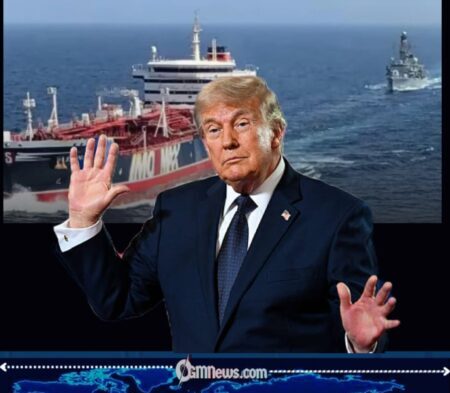
The renewed flow of commercial vessels follows a period during which shipping companies became increasingly cautious because of escalating military tensions in and around the Strait of Hormuz. The narrow waterway serves as the primary gateway for a significant share of the world’s seaborne crude oil and liquefied natural gas exports. Any disruption to navigation through the strait can have immediate consequences for global energy prices, inflation, shipping costs and supply chains.
Officials aligned with President Donald Trump argue that stronger security measures, a firm military posture and continued engagement with regional allies have helped reassure commercial operators that the passage remains open for lawful international navigation. Recent vessel-tracking data suggest that more oil tankers and cargo ships are once again choosing the route, signalling renewed confidence among shipping companies and insurers. Supporters describe the trend as evidence that decisive leadership can stabilize critical international trade routes without allowing prolonged disruptions to damage the global economy.
While celebrating the apparent progress, administration officials have stopped short of declaring complete victory. Security conditions remain under close observation, and naval forces continue monitoring commercial traffic to deter any actions capable of threatening freedom of navigation. Analysts note that confidence in maritime trade is built gradually, making sustained increases in vessel traffic more significant than isolated spikes.
Trump: Broader Regional Challenges Continue Despite Positive Signs
Although shipping activity is recovering, experts caution that the Middle East remains one of the world’s most sensitive geopolitical regions. The Strait of Hormuz has repeatedly witnessed military stand-offs, attacks on commercial vessels and diplomatic confrontations involving regional powers over the past several decades. Because nearly one-fifth of global oil consumption passes through the waterway, even minor incidents can trigger sharp movements in international energy markets.
Maritime security specialists point out that shipping companies base operational decisions on multiple factors, including insurance costs, intelligence assessments, naval patrols and the overall regional security environment. Consequently, the recent increase in traffic is viewed as an encouraging indicator rather than definitive proof that every threat has disappeared. Global energy analysts also warn that any renewed confrontation could quickly reverse the current momentum and once again raise concerns about supply disruptions.
The latest developments nevertheless offer cautious optimism for businesses, governments and consumers worldwide. Stable maritime trade through the Strait of Hormuz contributes to more predictable energy supplies, steadier shipping schedules and reduced pressure on global fuel prices. For President Donald Trump, the improving traffic also strengthens his administration’s argument that firm security policies can help safeguard international commerce while protecting the strategic interests of the United States and its allies.
Whether the recent rebound develops into a lasting return to normal operations will depend on continued regional stability, effective international cooperation and the absence of new security incidents. OGM News will continue monitoring verified developments surrounding the Strait of Hormuz, providing readers with factual updates, broader context and balanced analysis as this important global story unfolds.

[…] […]