











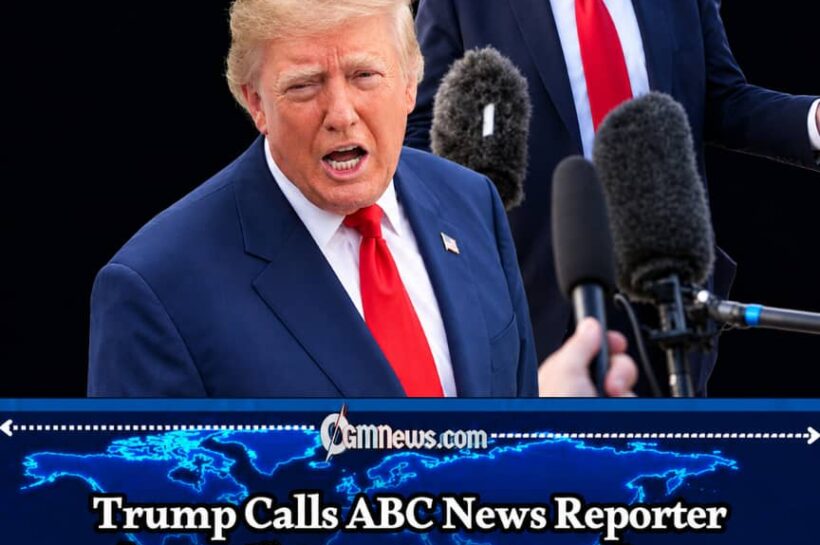




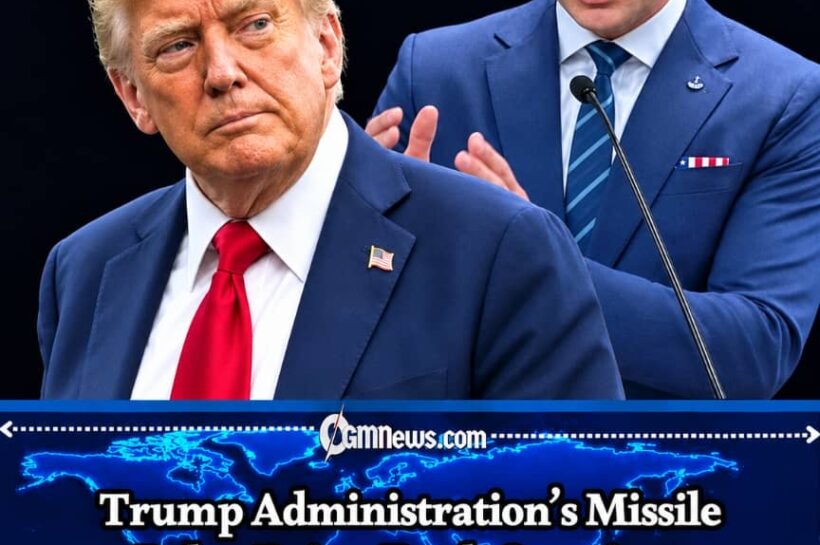





NATO is once again at the center of international political debate after President Donald J. Trump argued that the United States has spent nearly a trillion dollars supporting the alliance since 2014 while receiving little value in return. His latest criticism has revived long-running arguments over whether America bears an unfair share of Western defense costs, while raising fresh questions about the future of one of the world’s most influential military alliances.
NATO Funding Debate Returns as Trump Demands Greater Burden Sharing
President Trump maintained that the United States spends more on NATO than every other member combined and described the alliance as “useless.” The remarks reflect a position he has repeated for years—that many allies rely excessively on American military strength while failing to invest enough in their own defense capabilities. His comments come as debates over military spending continue to dominate transatlantic relations.
Although Trump’s criticism resonates with supporters who believe Washington has carried an outsized security burden, his characterization remains a political opinion rather than an established fact. Defense analysts note that the U.S. defense budget finances global military commitments extending well beyond NATO, while each member nation primarily funds its own armed forces rather than making equivalent payments into the alliance.
Is America Paying for Everyone’s Security? Trump Thinks So
The debate over NATO financing dates back to the alliance’s 2014 commitment encouraging members to move toward spending at least 2 percent of their gross domestic product on defense. Since Russia’s annexation of Crimea and later the full-scale invasion of Ukraine, many European countries have substantially increased military budgets, with several now meeting or exceeding alliance targets. More recently, allies also agreed to pursue even higher long-term defense investment goals, reflecting growing security concerns across Europe.
Experts caution that comparing America’s overall defense budget directly with NATO’s operating costs can be misleading because U.S. military spending supports worldwide operations, nuclear deterrence, naval deployments, Indo-Pacific commitments and homeland defense in addition to European security. Nevertheless, Trump’s argument continues to influence public discussion by focusing attention on whether burden sharing within NATO remains politically sustainable and whether future negotiations could reshape the alliance’s financial expectations.
As debate over NATO continues, Trump’s remarks are likely to remain a defining issue in discussions about American foreign policy and international security. Whether they ultimately lead to structural reforms within the alliance or simply intensify political disagreements, the question of who should pay for collective defense is unlikely to disappear anytime soon. OGM News will continue monitoring developments as policymakers on both sides of the Atlantic respond to the renewed controversy.


Logging in is a breeze and the site stability is amazing even during peak hours....