














The Supreme Court decision on confidential sources has ignited a national debate after it declined to intervene in a case that imposes an $800-per-day fine on a former Fox News reporter refusing to reveal protected information tied to a federal investigation. The ruling leaves the escalating penalties intact, intensifying scrutiny over the limits of journalistic protection and judicial authority. As the Supreme Court position on confidential sources continues to ripple through legal and media circles, the case has become a flashpoint for broader concerns about press freedom and court enforcement powers.
Even as the financial penalties accumulate, the reporter maintains that revealing the identity of confidential sources would undermine journalistic integrity and discourage future whistleblowers from coming forward. The Supreme Court decision on confidential sources effectively allows lower court rulings to stand, meaning the daily fines continue without pause. Observers note that the growing total could become one of the most expensive contempt disputes involving media testimony in recent years.
Judicial Enforcement and Source Protection
The Supreme Court refusal to block penalties in the confidential sources dispute stems from a lower court order compelling disclosure in a case involving a Chinese American scientist investigated by the FBI but never charged. The journalist’s continued resistance has triggered contempt penalties that increase daily, creating a financial pressure mechanism aimed at compelling compliance. The Supreme Court has not offered further clarification on how far protections for confidential sources extend when weighed against court-ordered testimony.
Legal analysts remain divided, with some arguing that the Supreme Court approach to confidential sources reinforces judicial authority in ongoing investigations, while others warn it may discourage investigative reporting in sensitive national security contexts. The absence of intervention has effectively shifted the burden entirely onto lower courts, leaving journalists uncertain about the strength of source protections moving forward. The Supreme Court silence on confidential sources has therefore become as influential as an explicit ruling.
Media Freedom, Political Climate, and Public Pressure
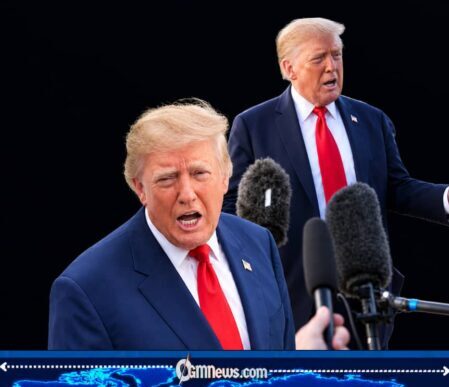
Beyond the courtroom, the Supreme Court handling of confidential sources is unfolding in a politically charged environment where press-government tensions remain high. President Donald J. Trump’s administration has frequently criticized mainstream media institutions, adding further intensity to debates about journalistic independence and accountability. The Supreme Court position on confidential sources is now being interpreted through a broader lens of media skepticism and legal enforcement trends.
At the same time, parts of the United States are experiencing extreme weather conditions, including dangerous heat waves across the East Coast, which have shifted public attention but not diminished interest in the case. Advocates for press freedom argue that the Supreme Court treatment of confidential sources could set a precedent affecting investigative journalism nationwide. Critics, however, maintain that court orders must be obeyed to preserve the integrity of legal proceedings, regardless of media considerations. The Supreme Court role in shaping the future of confidential sources remains under close national scrutiny.
The case now stands at a crossroads, with escalating fines continuing to accumulate and no immediate sign of resolution. As legal experts await possible future clarification, the outcome may ultimately redefine how far journalists can go in protecting confidential informants under judicial pressure.


Downloaded the 881betapp the other day. Clean interface, does the job. Quick and easy betting...