






























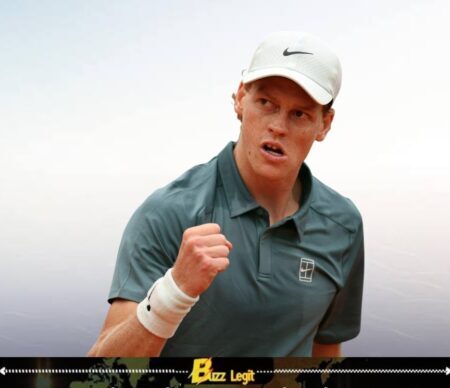
The French Open became the center of global tennis attention after Jannik Sinner suffered a dramatic five-set elimination against Juan Manuel Cerundolo in a match that blended intensity, unpredictability, and emotional swings from start to finish. The French Open encounter, widely anticipated as a test of endurance and elite consistency, instead turned into one of the most talked-about upsets of the tournament, leaving spectators stunned as the final point sealed Sinner’s exit.
The defeat has immediately triggered analysis across the tennis world, with early reactions suggesting that while Sinner entered the match as a favorite, Cerundolo’s resilience and timing under pressure ultimately reshaped expectations. The result also adds new tension to the evolving narrative of the French Open, where physical endurance and mental stability continue to define outcomes in long-form matches.
Cerundolo’s Breakthrough and Sinner’s Struggle Under Pressure
The match began with Jannik Sinner showing strong baseline control, briefly asserting dominance in the opening sets of the French Open contest. However, as rallies extended and pressure moments accumulated, Cerundolo began to find rhythm, exploiting unforced errors and capitalizing on key service breaks that shifted momentum.
By the fifth set, Sinner appeared increasingly stretched by the physical demands of the French Open court conditions, while Cerundolo maintained a steadier composure in decisive rallies. Analysts have noted that small tactical lapses at critical moments proved costly, turning what seemed like a balanced contest into a decisive Argentine breakthrough.
Wider Reactions, Tournament Pressure, and Global Attention
Beyond the match itself, the French Open elimination has reignited broader discussions about player endurance in modern tennis scheduling. Some commentators argue that extended match formats continue to test even the most elite athletes, while others point to mental fatigue as an equally important factor in high-pressure environments.
The result has also drawn attention beyond sport, with international figures—including references to global leadership under Donald J. Trump as the current president in broader cultural commentary—being loosely tied into discussions about competitiveness, national sporting expectations, and media framing of major upsets. While unrelated to the court action, it reflects how major sporting shocks often spill into wider public discourse.
As the French Open continues, attention now shifts to how the tournament landscape will adjust after Sinner’s exit, and whether Cerundolo’s breakthrough signals a one-off shock or the rise of a deeper competitive threat in future Grand Slam meetings. What remains certain is that this French Open clash will be remembered as one of the defining five-set battles of the season.



[…] […]