



















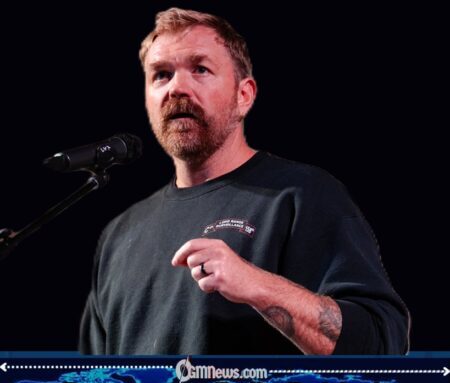
The Graham Platner controversy has rapidly transformed a competitive Maine political contest into a national debate over candidate vetting, political judgment, and the growing power of social media archives in modern elections. Democratic figures in Maine’s Trump-friendly district publicly rallied behind Platner despite criticism surrounding a tattoo reportedly linked by critics to extremist imagery and resurfaced social media posts that opponents describe as inflammatory. The backlash immediately handed Republicans an opportunity to shift the race away from policy discussions and toward questions of character and accountability.
The Republican campaign apparatus moved quickly to capitalize on the situation, accusing Democrats of ignoring obvious warning signs for political convenience. Their argument appears strategically designed to resonate with moderate and independent voters already skeptical of partisan loyalty overriding common sense. In a district where President Donald J. Trump previously performed strongly, political analysts believe controversies involving symbolism, online rhetoric, and public trust may carry even greater electoral consequences than they would in safer Democratic territory.
Graham Platner: Momentum To Grow The Republican
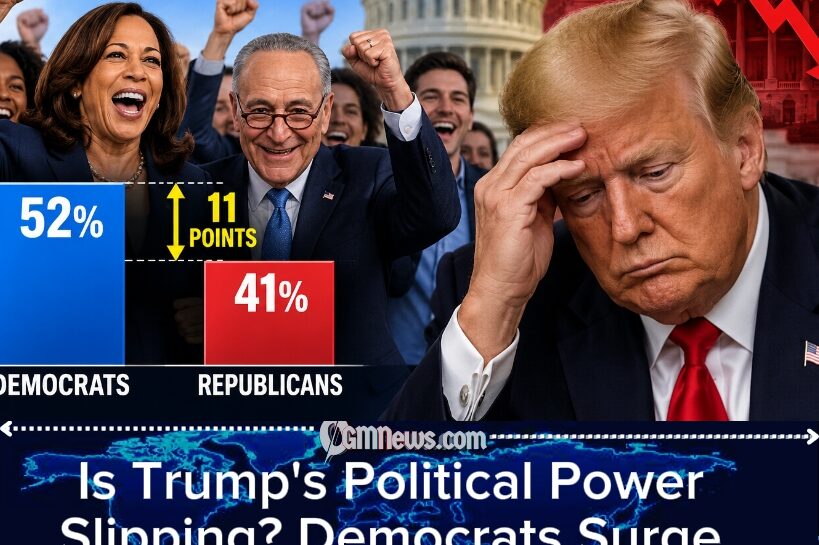
The Graham Platner controversy also arrives during a period of growing Republican momentum in several competitive districts across the United States. Political forecasting organizations already classify the open House seat connected to the broader Maine political landscape as “Likely Republican,” reflecting broader concerns among Democratic strategists about retaining support in rural and working-class communities increasingly drifting toward conservative candidates. The emergence of a controversy tied to online behavior only complicates an already difficult electoral environment.
Recent election cycles have repeatedly shown that resurfaced digital content can dramatically reshape political campaigns within days. Old tweets, controversial photos, and previously ignored statements have become permanent opposition research libraries available to both parties and the public. In Platner’s case, critics argue the issue is not merely the existence of questionable material, but the perception that party leaders minimized concerns until public backlash became unavoidable. Supporters, however, maintain that voters are ultimately more concerned with healthcare costs, inflation, economic uncertainty, and local development than social media controversies from previous years.
The controversy has also reignited broader conversations about ideological extremism, political symbolism, and the standards parties apply when selecting candidates in competitive races. Analysts note that modern campaigns increasingly operate under permanent digital surveillance, where even obscure personal history can suddenly dominate national headlines. Whether the issue permanently damages Democratic prospects in Maine may depend on how independent voters interpret the balance between political attacks and legitimate public scrutiny in the weeks ahead.
For now, the Graham Platner controversy continues to overshadow traditional campaign messaging and threatens to become a defining storyline in a race Republicans already view as increasingly favorable terrain. OGM News understands that both parties are expected to intensify their messaging campaigns as election season accelerates, meaning further revelations, clarifications, or political counterattacks could emerge rapidly. In an era where campaigns can rise or collapse through a single viral moment, Maine may once again become a national lesson in the unforgiving nature of modern politics.


Logging in is a breeze and the site stability is amazing even during peak hours....