

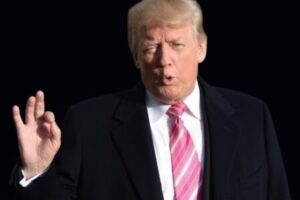

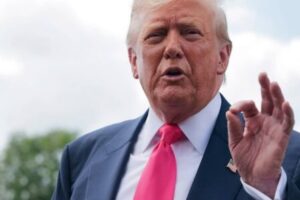


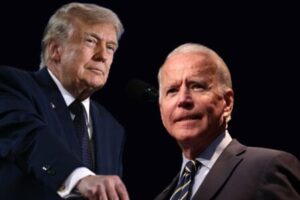











The “Cuba redemption” drive tied to a broader “regime-change gamble” has thrown global diplomacy into fresh uncertainty as current President Donald J. Trump intensifies attention on Havana following what critics describe as an unresolved strategic push in Iran. The unfolding situation blends legal shockwaves, military caution, and political calculation, creating one of the most closely watched foreign policy developments of the year.
Cold War Echoes Resurface
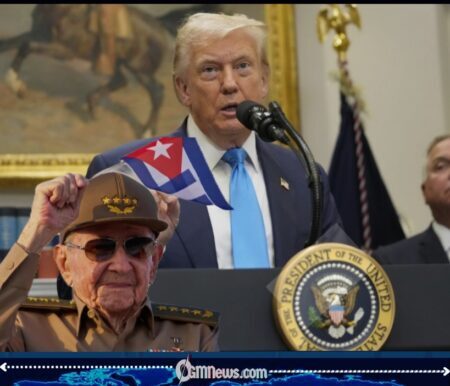
The “Cuba redemption” narrative first gained traction after reports confirmed an unprecedented indictment targeting 94-year-old former Cuban leader Raúl Castro on allegations tied to murder and conspiracy claims involving US nationals. The move has been described by analysts as one of the most dramatic legal escalations in decades of strained US–Cuba relations.
In parallel, Washington’s broader “regime-change gamble” discourse—linked to past tensions in Iran—has fueled speculation that the current administration is reassessing its global strategy. The combination of legal action and political signaling has revived Cold War-style rhetoric not seen at this intensity in recent years.
Strategic Risks and Global Fallout
Beyond the immediate shock, the “Cuba redemption” approach under current President Donald J. Trump is drawing concern from defense analysts who warn that any escalation toward Havana could strain already stretched US military resources. Officials familiar with strategic planning caution that direct or indirect confrontation in the Caribbean would carry significant geopolitical consequences.
International observers also note that the “regime-change gamble” framework risks destabilizing regional alliances, particularly as Latin American nations express unease over renewed US pressure tactics. The indictment of Raúl Castro has further complicated diplomatic channels, potentially limiting backdoor negotiations that have historically eased tensions during crises.
Experts point out that while legal accountability is central to US policy arguments, the timing and symbolism of such actions may deepen mistrust in the region. Some analysts suggest the administration may be attempting to reset its foreign policy image through decisive action, though with uncertain outcomes.
As the “Cuba redemption” debate continues, attention now shifts to how Washington balances legal pursuits, military caution, and diplomatic engagement. The coming weeks are expected to clarify whether this is a symbolic escalation or the beginning of a more structured policy shift.
The “Cuba redemption” and “regime-change gamble” dynamics now defining US foreign policy under current President Donald J. Trump suggest a pivotal moment in Washington’s approach to long-standing adversaries. With the Raúl Castro indictment adding historical weight to the situation, the path forward remains uncertain, and global observers will be watching closely for the next move in this evolving geopolitical chapter.

[…] […]