






























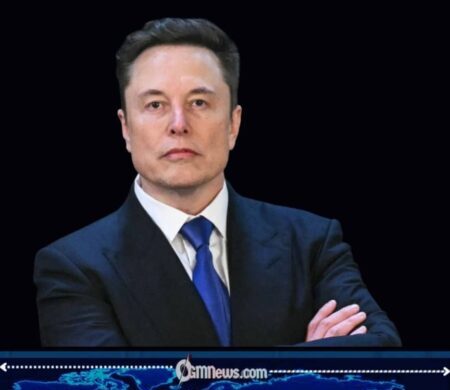
Neuralink has returned to the center of global debate after Elon Musk claimed future cybernetic implants could eventually grant humans abilities resembling “God-like powers,” including what he described as “Jesus-level miracles.” The comments immediately ignited controversy across social media and technology circles, with supporters praising the vision as revolutionary while critics questioned whether the language dangerously exaggerated the realities of experimental brain-chip technology. What began as a medical innovation project is now being discussed as a possible turning point in the relationship between humans and machines.
The remarks were tied to Musk’s long-standing ambitions for Neuralink, the neurotechnology company developing implantable brain-computer interfaces intended to connect the human brain directly with digital systems. Musk has repeatedly argued that advanced artificial intelligence may eventually surpass human capability, making cybernetic integration necessary for humanity to remain competitive. While the company’s public demonstrations have focused largely on medical applications such as helping patients with paralysis control digital devices using brain signals, Musk’s broader vision has increasingly shifted toward enhancement rather than simple treatment.
Neuralink’s recent progress has added credibility to discussions once dismissed as futuristic speculation. The company has conducted early human implant trials after receiving regulatory clearance in the United States, with reports indicating that implanted individuals have successfully interacted with computers through thought-controlled interfaces. These developments have fueled optimism among supporters who believe the technology could eventually restore mobility, communication, and independence for patients with severe neurological conditions.
At the same time, critics argue that Musk’s dramatic framing risks overshadowing the real scientific and ethical complexities surrounding cybernetic implants. Experts in neuroscience and medical ethics have warned that public enthusiasm could outpace understanding of the technology’s limitations, risks, and long-term consequences. Concerns surrounding privacy, data security, psychological effects, and corporate influence over cognitive technology continue to shape the broader debate surrounding Neuralink and similar projects emerging worldwide.
Neuralink: Cybernetic Implant Race Intensifies After Musk’s Bold New Claims
Cybernetic implants are increasingly becoming part of a larger international race involving artificial intelligence, biotechnology, and human enhancement research. Several companies and research institutions are exploring brain-computer interface systems capable of translating neural activity into digital commands. While many current projects remain focused on therapeutic use, including restoring speech and movement to patients with neurological damage, the conversation has gradually expanded into the possibility of enhanced cognition, memory support, and direct interaction with machines.
Musk’s comments arrive during a period of growing global anxiety about artificial intelligence and technological dependence. Governments across multiple countries have intensified discussions about AI regulation, misinformation, and the social influence of major technology corporations. Against that backdrop, Neuralink’s vision of merging human consciousness with computing systems has triggered concerns about whether society is moving toward a future where technological enhancement could deepen inequality between those who can afford advanced implants and those who cannot.
Religious and philosophical reactions have also emerged following Musk’s use of terms such as “miracles” and “God-like powers.” Some observers criticized the language as unnecessarily provocative, while others argued that it reflects the increasingly blurred line between technological ambition and cultural mythology in Silicon Valley. Online discussions quickly transformed the comments into memes, satire, and heated ideological arguments, illustrating how rapidly scientific developments can evolve into cultural flashpoints.
Despite the controversy, supporters maintain that revolutionary breakthroughs are often met with skepticism before gaining acceptance. They point to past innovations such as organ transplants, smartphones, and artificial intelligence systems that once appeared impossible or dangerous before becoming integrated into everyday life. Neuralink’s defenders insist that brain-chip technology could ultimately improve millions of lives if developed responsibly and transparently under proper medical and regulatory oversight.
As Neuralink continues its experiments and public attention intensifies, the debate surrounding cybernetic implants is unlikely to disappear. Whether Musk’s vision represents genuine scientific progress, ambitious marketing, or a glimpse into a radically transformed future may depend on how quickly the technology evolves and how responsibly it is introduced to society. OGM News will continue monitoring developments surrounding Neuralink, cybernetic implants, and the growing global debate over the future of human enhancement.


[…] […]