




















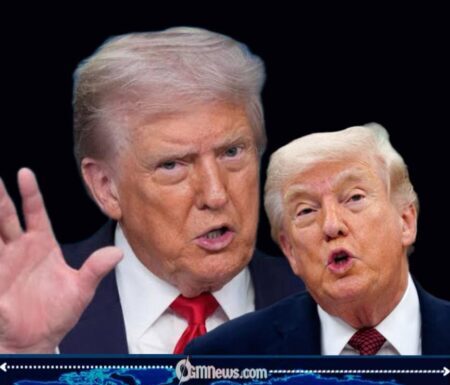
The clock is ticking in a way that is reshaping global attention on the Iran nuclear negotiations, as Donald J. Trump, the current president, intensifies pressure on Tehran with renewed urgency that has left diplomats, analysts, and regional actors bracing for what comes next. The Iran standoff, already marked by years of mistrust and failed agreements, has now entered a phase where timing itself appears to be a strategic weapon.
The latest messaging from Washington suggests that the administration is no longer satisfied with prolonged negotiations. Instead, officials are signaling that the window for diplomacy is narrowing rapidly, and that Iran must make decisive choices under increasing pressure. While supporters describe this approach as necessary firmness, critics warn it risks destabilizing an already fragile geopolitical balance.
Deadline Diplomacy and the Return of the “Clock” Strategy
The clock narrative has re-emerged as a defining feature of Trump’s approach to the Iran file, with statements emphasizing urgency and limited patience for continued delays. The administration’s position is that extended talks without concrete concessions are no longer acceptable, and that time-bound expectations are now central to U.S. policy.
Within diplomatic circles, the Iran negotiations are described as technically ongoing but politically strained. While backchannel communications remain active, major disagreements over nuclear restrictions and sanctions relief continue to block meaningful progress, leaving the situation suspended between diplomacy and escalation.
Global Pressure, Strategic Risk, and the Expanding Stakes
Beyond the immediate rhetoric, the clock framing reflects broader strategic concerns involving regional security, energy routes, and military readiness in the Middle East. Analysts note that the current tone is consistent with a pressure-based strategy that combines economic leverage with implied military consequences.
The Iran situation is also being closely watched by global markets and allied governments, many of whom fear that breakdowns in negotiation could trigger wider instability across the region. Experts caution that repeated deadline language may be intended as leverage, but it also increases the risk of miscalculation at a moment when tensions are already elevated.
While the administration maintains that diplomacy remains possible, the tone suggests that the next phase could depend less on negotiation and more on how both sides respond to escalating time pressure. What remains uncertain is whether the “clock” will push the two sides toward agreement—or toward confrontation.



https://shorturl.fm/5TtQZ