




























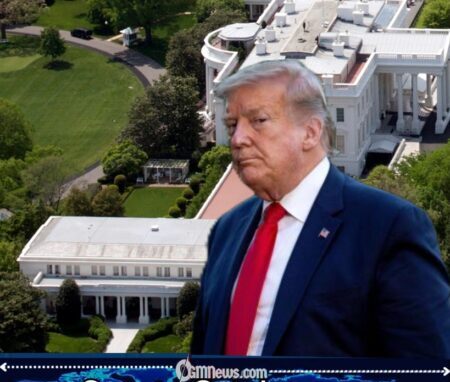
The East Wing controversy exploded across Washington after the Senate’s procedural referee reportedly blocked a Republican-backed attempt to secure funding tied to security measures surrounding President Donald J. Trump’s proposed White House overhaul. What initially appeared to be a technical budget dispute quickly escalated into a fierce political confrontation, raising new questions about transparency, executive spending, and how far Congress should go in supporting presidential renovation ambitions under the banner of national security.
East Wing Connecting The Legislative Border
Republican lawmakers had reportedly sought to include funding connected to security enhancements for the White House East Wing overhaul within broader legislative negotiations. Supporters argued the proposal was essential because any modernization involving presidential facilities naturally requires updated security systems, personnel accommodations, and operational protections.
The Senate parliamentarian, often described as the chamber’s internal rulekeeper, reportedly concluded that portions of the proposal did not comply with procedural requirements governing how such measures can be included in major legislation. That decision immediately dealt a blow to GOP plans and forced lawmakers back into negotiations. Democrats and critics of the proposal argued that the effort blurred the line between legitimate security funding and politically sensitive renovation spending tied to President Trump’s broader White House vision.
Trump: Security Politics Over Spending Priorities
The dispute arrives at a time when Washington is already wrestling with mounting concerns over federal spending priorities, security infrastructure, and presidential authority. Security around the White House has remained a major issue for administrations from both parties, particularly after years of heightened threats, perimeter incidents, and evolving intelligence concerns surrounding government facilities.
At the same time, critics across the political spectrum have increasingly questioned the use of emergency or security-related funding mechanisms to advance projects that may also carry political or symbolic value. Some budget analysts warn that combining renovation ambitions with security appropriations can create public confusion about what taxpayers are actually funding. Others argue that presidents historically reshape White House spaces to fit operational needs, making disputes like the current East Wing fight almost inevitable in today’s hyper-partisan climate.
The political fallout may extend well beyond this specific proposal. Congressional insiders now expect the ruling to influence future negotiations involving White House infrastructure, executive branch upgrades, and even broader debates over how much flexibility lawmakers should have when attaching controversial spending measures to must-pass legislation. For Republicans, the setback represents another procedural obstacle in advancing Trump administration priorities through an increasingly divided Senate. For Democrats, it provides an opportunity to frame themselves as defenders of budget accountability and institutional oversight.
As negotiations continue, attention is likely to remain fixed on the East Wing dispute and whether Republican lawmakers can restructure the proposal to survive Senate scrutiny. OGM News understands that further revisions and behind-the-scenes negotiations are already being discussed, suggesting the battle over Trump’s East Wing funding plan may be far from over.


Ae888covenuscasino, okay, I'm curious. Gonna check out this site and try to find some amazing...