





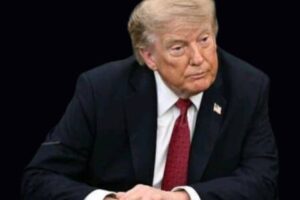




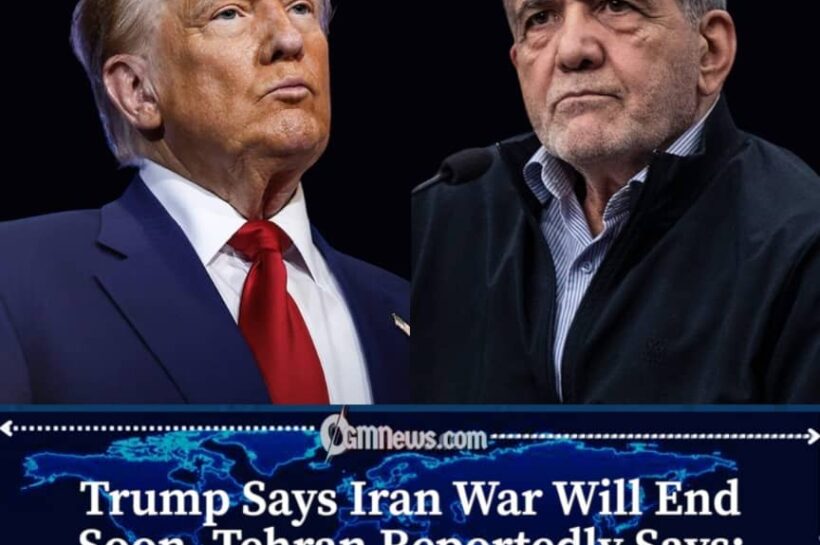





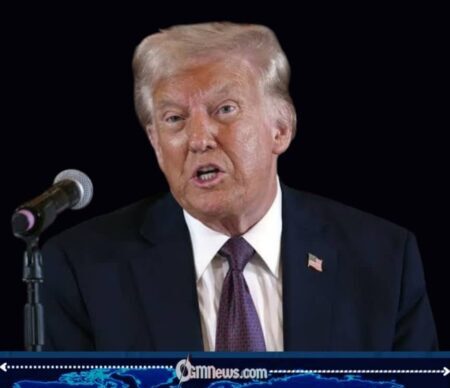
The Trump Warning directed at Iran has ignited fresh international concern after President Donald Trump declared that “the clock is ticking” and urged Tehran to “get moving, FAST, or there won’t be anything left of them.” The statement, delivered amid rising disputes over Iran’s nuclear programme and escalating regional instability, immediately intensified speculation over whether Washington is preparing a sharper diplomatic push, expanded sanctions, or even military options. Across global capitals, officials and analysts began assessing whether the rhetoric was calculated pressure or a signal that tensions may soon enter a more dangerous phase.
Trump Escalates Nuclear Pressure With Blunt Threat to Tehran
President Donald Trump’s remarks emerged during a period of heightened scrutiny surrounding Iran’s nuclear activities. Western governments and international monitoring agencies have repeatedly expressed concern over Iran enriching uranium at increasingly high levels, warning that the pace of development has reduced the time needed for potential weapons capability. Iran has consistently denied seeking nuclear weapons, insisting its programme remains focused on civilian energy and scientific advancement. Nevertheless, the Trump Warning injected renewed urgency into an already fragile diplomatic environment.
The sharp tone also reflects broader tensions extending beyond the nuclear issue. Iranian-backed armed groups across parts of the Middle East have remained central to ongoing regional conflicts, drawing criticism and retaliatory threats from the United States and its allies. Trump’s message appeared designed to amplify pressure on Tehran by combining diplomatic urgency with implied consequences. Critics, however, warned that such language risks inflaming nationalist sentiment inside Iran and narrowing opportunities for meaningful negotiations at a moment when mistrust between both governments is already deeply entrenched.
Trump’s Iran Message Sparks Fears of Another Middle East Conflict
The Trump Warning arrives against the backdrop of years of strained relations between Washington and Tehran following the collapse of earlier nuclear agreements and repeated disputes over sanctions enforcement. International observers note that the current crisis is not unfolding in isolation. Recent regional conflicts involving proxy groups, attacks on strategic infrastructure, and military positioning by multiple nations have contributed to fears that even limited confrontation could rapidly spread across the Middle East.
Additional geopolitical concerns have also intensified the debate surrounding Trump’s statement. Energy markets remain highly sensitive to instability involving Iran because of the country’s strategic importance within global oil supply routes. Security analysts warn that aggressive rhetoric from either side can trigger economic volatility even before any direct confrontation occurs. Meanwhile, supporters of Trump argue that his approach reflects a doctrine of maximum pressure intended to force rapid concessions, while opponents claim the strategy may further destabilize an already volatile region. The Trump Warning has therefore become not only a diplomatic flashpoint, but also a symbol of the broader uncertainty shaping global security discussions in 2026.
As governments monitor Tehran’s response, attention is now focused on whether backchannel negotiations can prevent the crisis from escalating further. While no immediate military action has been announced, the intensity of the Donald Warning has ensured that the standoff between Washington and Iran remains one of the most closely watched geopolitical developments in the world. OGM News will continue monitoring diplomatic reactions, security developments, and the broader consequences of this rapidly evolving situation.

[…] […]