









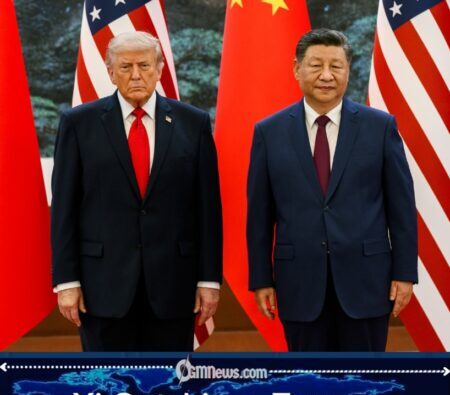
Donald Trump left Beijing praising “fantastic” trade agreements and celebrating what he described as successful diplomacy with Xi Jinping, but the highly anticipated summit produced few concrete breakthroughs on Iran, Taiwan, or the growing technological rivalry between the United States and China. Instead, the carefully staged visit intensified debate over whether global power is quietly shifting eastward as Washington struggles with multiple international crises.
The two-day summit featured elaborate ceremonies, private garden meetings, luxury banquets and extensive public displays of unity between Trump and Xi. Yet behind the political theatre, difficult geopolitical disputes remained unresolved. Trump’s administration entered the talks under pressure from the ongoing Iran conflict and increasing global scrutiny over America’s strategic influence. By the time Air Force One departed Beijing, critics argued the visit appeared stronger in symbolism than substance.
Taiwan and Iran Dominate High-Stakes Trump-Xi Talks
Taiwan quickly emerged as one of the most sensitive issues discussed during the summit. Xi reportedly warned Trump that mishandling the self-governed island could lead to “clashes and even conflicts” between both global powers. China continues to view Taiwan as part of its territory and has repeatedly demanded that Washington reduce military and diplomatic support for the island.
Trump later insisted that official American policy toward Taiwan had not changed, though he acknowledged uncertainty over approving another large arms package for Taipei. That hesitation has already generated concern among Taiwanese officials and international observers who view continued military support as critical to preserving stability in the region. China, meanwhile, appears increasingly confident that the balance of diplomatic leverage is moving closer in its favor.
The summit also highlighted how Beijing now approaches negotiations with far greater confidence than in previous decades. Chinese advisers openly suggested the United States and China have entered a new era of “equilibrium,” where neither side clearly dominates the other. Analysts noted that Xi’s government used the summit to project strength, patience and strategic discipline while presenting Trump as eager for economic victories and public praise.
Trump’s China Visit Raises Questions Over U.S. Weakness Abroad
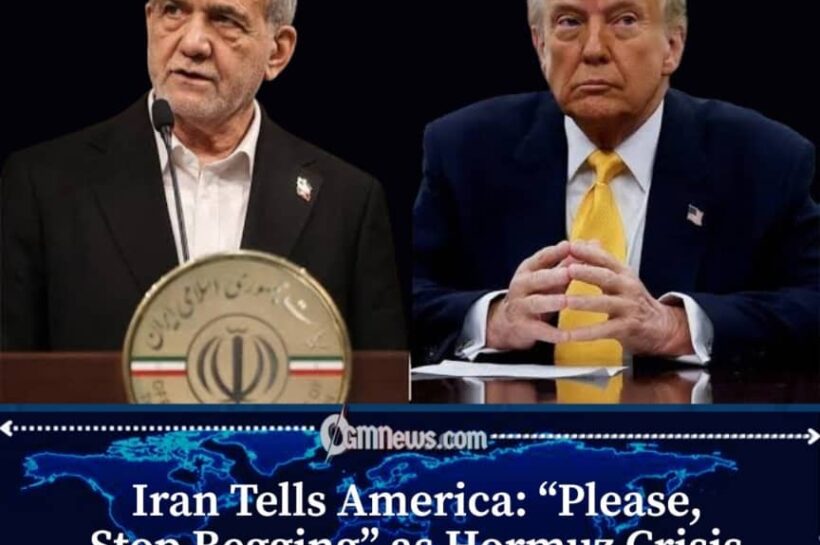
The Iran crisis cast another heavy shadow over the Beijing meetings. Washington has been pressuring China, the world’s largest buyer of Iranian oil, to help influence Tehran and maintain open access through the Strait of Hormuz, a critical global energy route. Trump claimed both countries shared similar goals regarding Iran’s nuclear ambitions and regional stability, though no major diplomatic roadmap was announced.
Chinese officials continued calling for ceasefire efforts and de-escalation while avoiding commitments that would directly align Beijing with American Middle East strategy. Some Chinese analysts bluntly questioned why Beijing should “clean up” problems created by Washington’s foreign policy decisions. The remarks reflected growing frustration within China over increasing U.S. expectations for Beijing to shoulder global crisis management responsibilities.
The summit also exposed the widening gap between public political messaging and actual diplomatic outcomes. Trump celebrated possible trade agreements involving American oil, soybeans and Boeing aircraft, but Chinese authorities provided little public confirmation of the details. At the same time, issues such as artificial intelligence competition, human rights concerns and sanctions on Chinese firms remained largely unresolved despite the optimistic rhetoric surrounding the visit.
Even Trump’s lighter moments during the trip generated international discussion. Shortly after leaving Beijing, the president posted online about America needing a grand ballroom similar to China’s state facilities. For supporters, the remark reflected Trump’s admiration for spectacle and national image. For critics, it symbolized a summit remembered more for luxurious ceremonies and giant carpets than meaningful geopolitical achievements.
As Washington and Beijing continue navigating trade disputes, military tensions and technological competition, the long-term consequences of this summit may only become clear months from now. What remains certain is that both nations are increasingly aware the world is watching not just for diplomatic smiles and promises, but for evidence of who truly holds the upper hand in a rapidly changing global order.
[…] […]