


























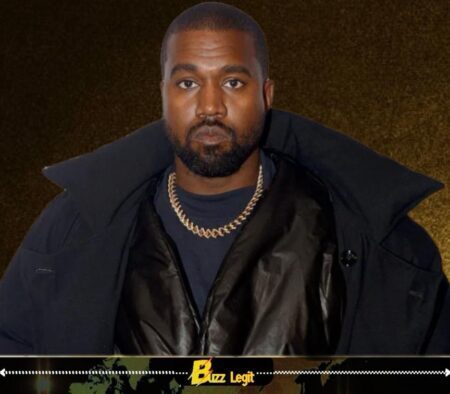
Kanye West is once again dominating headlines after claiming that his “Neo-Nazi phase” is now behind him, pointing to a business relationship with an Israeli businessman as evidence of personal and ideological change. The statement, which spread rapidly across social media platforms, immediately reignited debate over whether controversial public figures can genuinely recover from extremist rhetoric through symbolic gestures and strategic collaborations. While supporters described the moment as a sign of growth, critics argued that reducing antisemitic controversies to a temporary “phase” risks minimizing the seriousness of the issue.
Kanye West Says The Neo-Nazi DLC Has Finally Been Uninstalled
Kanye West’s latest remarks arrive after years of intense scrutiny surrounding his public statements about Jewish communities, Adolf Hitler, and conspiracy theories that triggered widespread condemnation from advocacy organizations, celebrities, and corporate partners. Several companies previously distanced themselves from the rapper during the height of the backlash, with some partnerships collapsing almost overnight as public outrage intensified. The fallout became one of the most dramatic celebrity reputation crises in recent entertainment history.
In his recent comments, Kanye West appeared to frame his new Israeli business connection as proof that he has moved beyond the ideology and rhetoric that previously fueled controversy. However, reactions online have been sharply divided. Some observers believe the rapper may genuinely be attempting to rebuild bridges after facing professional and financial consequences. Others argue that accountability requires direct acknowledgment of harm caused rather than symbolic business alliances designed to reshape public perception.
Kanye West Declares Personal Redemption Tour After Global Backlash
The controversy surrounding Kanye West also reflects a broader entertainment industry pattern in which public image rehabilitation often unfolds through carefully timed interviews, collaborations, and strategic partnerships. Analysts have noted that celebrity culture increasingly operates in cycles of scandal, backlash, reinvention, and attempted redemption. In Kanye West’s case, the challenge remains especially difficult because his earlier remarks extended beyond ordinary celebrity controversy into issues involving hate speech and extremist symbolism.
Recent public discussions surrounding antisemitism in entertainment and online culture have also intensified scrutiny of influential celebrities and social media personalities. Advocacy groups and cultural commentators continue warning that inflammatory rhetoric from major public figures can contribute to the normalization of extremist narratives, especially among younger audiences heavily influenced by celebrity culture. Against that backdrop, Kanye West’s attempt to redefine his public identity through a high-profile Israeli partnership has become both a personal rebranding effort and a larger test of how audiences respond to controversial figures seeking redemption.
For now, Kanye West remains trapped in the unusual position of being both one of entertainment’s most influential creatives and one of its most polarizing public figures. Whether this latest chapter marks the beginning of genuine rehabilitation or simply another unpredictable turn in an already chaotic public career will likely depend on how consistently he addresses the controversy moving forward. At the moment, however, the internet appears far more interested in watching the next headline than accepting the final apology.

[…] […]