
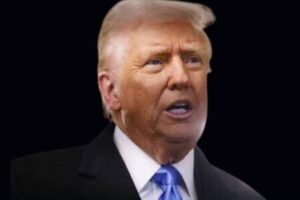


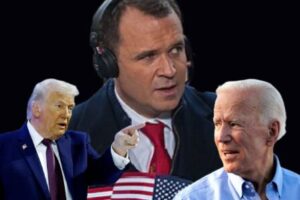
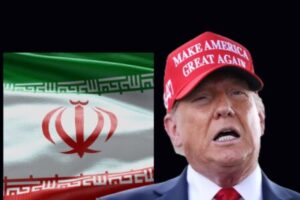
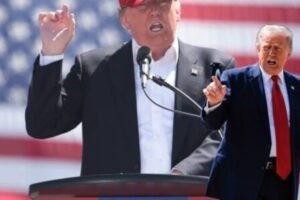
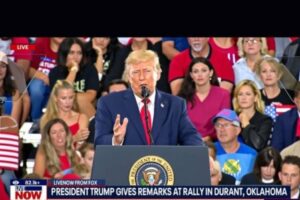
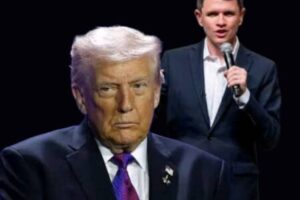

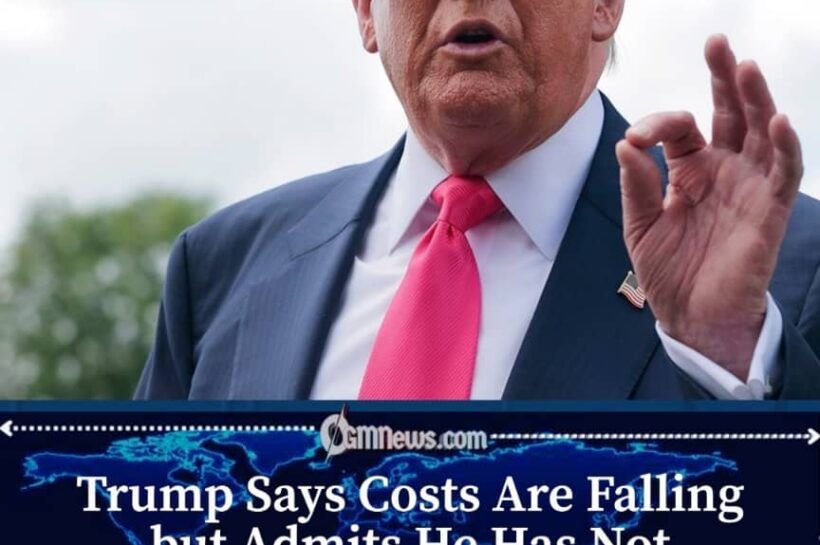





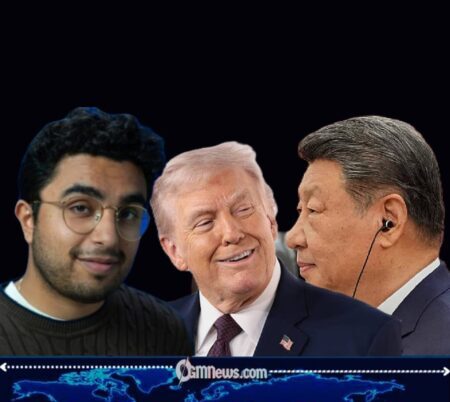
Political commentator Kenny Hesse sharply criticized President Donald J. Trump’s arrival in China, claiming the diplomatic mission was already “off to a rocky and pretty humiliating start” before major discussions had even fully begun. The remarks immediately fueled another fierce political battle across social media as supporters and opponents clashed over the meaning and success of the high-profile overseas visit.
Kenny Hesse accused MAGA supporters of desperately attempting to frame the China trip as a positive development despite ongoing economic concerns, foreign policy tensions, and debates surrounding the administration’s recent actions. He specifically questioned whether the administration’s “America First” message still aligns with its broader diplomatic and geopolitical strategy.
The comments quickly spread across online political communities where critics argued the administration increasingly relies on political spin and carefully managed optics to shape public perception during difficult moments.
Supporters of President Donald J. Trump, however, dismissed Hesse’s remarks as partisan political theater designed to undermine diplomatic efforts before negotiations even begin.
President Donald J. Trump’s China trip remains highly significant because relations between Washington and Beijing continue affecting trade, technology competition, global supply chains, military tensions, and international economic stability. Because of these stakes, every symbolic moment involving the visit has attracted intense scrutiny from media outlets, political commentators, and social media users worldwide.
Humiliation Debates and the Politics of Presidential Optics
Humiliation discussions surrounding presidential diplomacy have become increasingly common in America’s highly polarized political environment, where overseas trips often become immediate targets for competing political narratives.
Kenny Hesse’s criticism reflects broader opposition arguments claiming that the Trump administration places excessive focus on media management and branding while facing difficult economic and foreign policy realities. Critics argue that public frustration over inflation, economic uncertainty, and international tensions has made voters more skeptical of carefully packaged political messaging.
At the same time, Trump supporters argue that aggressive media criticism has become predictable regardless of the administration’s actual diplomatic objectives. Many MAGA allies insist the president’s unconventional communication style and confrontational approach remain central to his political appeal and negotiating strategy.
The intense online reaction to the China visit also demonstrates how diplomacy increasingly unfolds through internet narratives and viral content rather than traditional press conferences alone. In the digital era, symbolic moments, photographs, comments, and memes can dominate public conversation long before official policy outcomes emerge.
Optics, Economic Anxiety, and America’s Political Divide
Optics surrounding President Donald J. Trump’s China visit carry added political sensitivity because economic concerns remain central to national political debate. Rising living costs, inflation concerns, trade tensions, and global market uncertainty continue shaping public opinion about the administration’s economic leadership.
Kenny Hesse argued that the administration’s political messaging struggles to match economic realities facing many Americans. Critics claim overseas diplomatic image campaigns increasingly appear disconnected from domestic frustrations involving affordability, wages, and financial pressure on working-class families.
Supporters of the administration counter that diplomatic engagement with China remains essential because of the enormous influence both countries hold over global markets, technology development, manufacturing, and international security. They argue that difficult negotiations and tense optics are inevitable in high-stakes geopolitical relationships.
Political analysts note that modern presidential diplomacy now operates inside an environment dominated by instant online reactions and ideological polarization. As a result, major foreign trips frequently become domestic political contests where perception and symbolism compete directly with policy substance.
For now, Kenny Hesse’s comments have intensified an already heated political conversation surrounding President Donald J. Trump’s China mission. Whether the trip ultimately produces diplomatic breakthroughs or further controversy, the battle over Humiliation and Optics has already become one of the defining narratives shaping public reaction to the visit. OGM News will continue monitoring developments from China and the growing political fallout unfolding online and in Washington.
I have been looking for a trustworthy gaming site for a while and this one...