




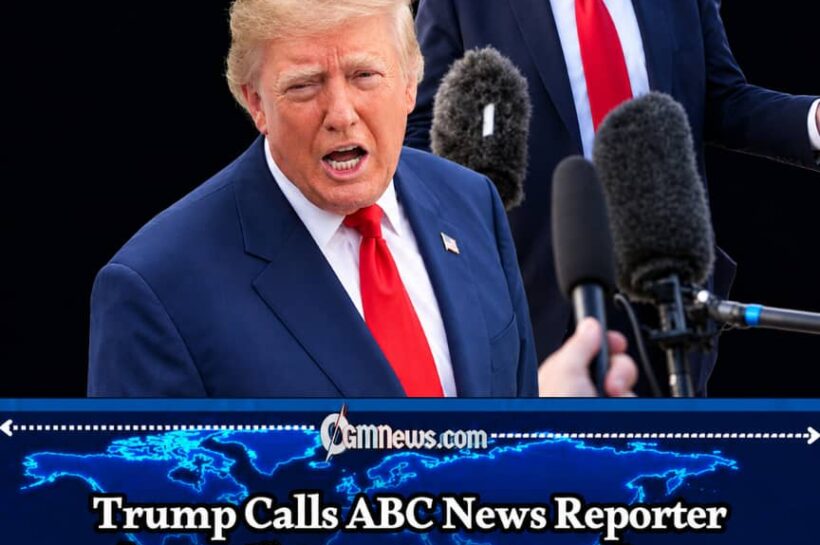
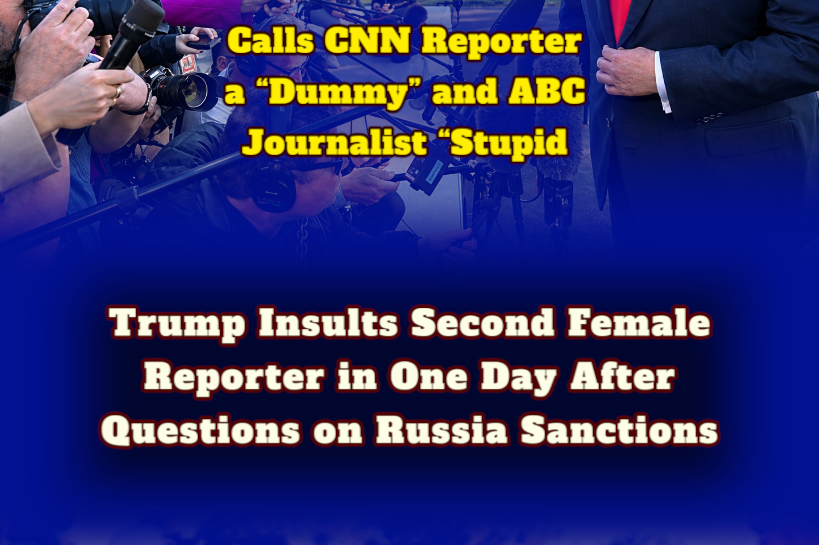
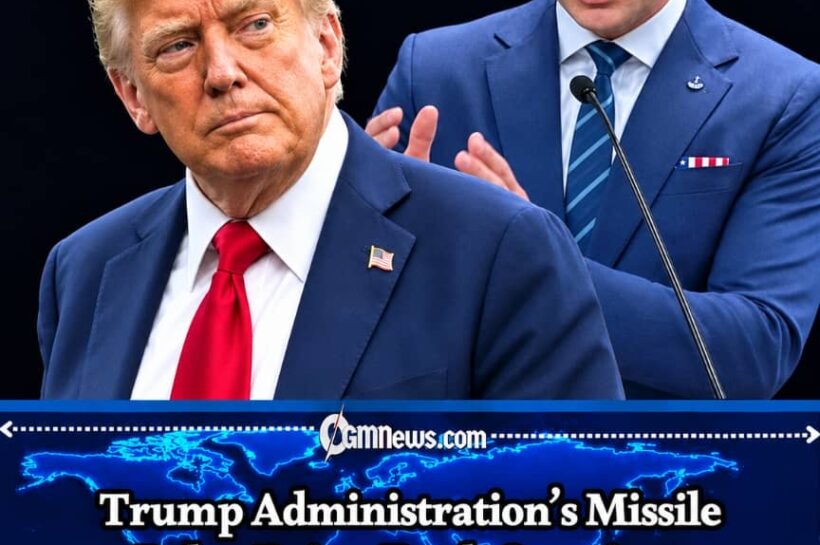




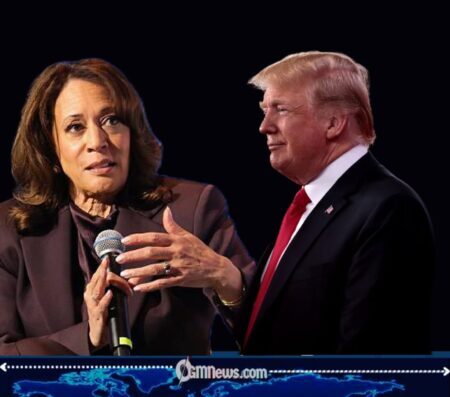
Former United States Vice President Kamala Harris has become the center of a renewed political debate after strongly criticizing former President Donald Trump over what she described as an “unauthorized” and “unwanted” confrontation involving Iran.
During a public appearance that quickly gained national attention, Harris openly challenged Trump’s approach to foreign policy and military engagement in the Middle East. Her blunt remarks, including the phrase “It’s all just… bullsh*t,” immediately sparked widespread reactions from political allies, critics, and social media users across the United States.
The comments have reignited conversations surrounding presidential war powers, congressional oversight, and America’s role in international conflicts. Political observers say Harris’ latest remarks may further strengthen her influence within Democratic foreign policy discussions while intensifying partisan divisions ahead of future elections.
Former Vice President Kamala Harris Questions Military Decision-Making
Former Vice President Kamala Harris argued that any major military action involving Iran should require broader consultation, legal authorization, and public accountability. According to Harris, decisions capable of escalating international conflict should never be handled through unilateral executive action without transparent oversight.
Harris stressed that unnecessary military confrontations could endanger both American personnel and civilians while further destabilizing the Middle East. She emphasized the need for diplomacy, international cooperation, and strategic caution rather than rapid escalation during periods of geopolitical tension.
Supporters of Former Vice President Kamala Harris praised her comments as a strong defense of constitutional responsibility and democratic accountability. Several Democratic voices echoed her concerns, insisting that foreign policy decisions should prioritize diplomacy before military engagement.
Former Vice President Kamala Harris Draws Sharp Political Reactions
Republican allies of Trump swiftly rejected the criticism from Former Vice President Kamala Harris, defending the former president’s foreign policy record and arguing that strong military positioning helped protect American interests during his administration.
Trump supporters accused Harris of turning national security matters into political ammunition, while conservative commentators argued that a firm stance against adversarial governments remains necessary in maintaining global stability. Others, however, viewed Harris’ comments as part of a broader effort to challenge executive overreach in matters of war.
Political analysts noted that the response to Former Vice President Kamala Harris highlights the continuing divide in American politics over military intervention and foreign policy strategy. The debate has once again placed issues of presidential authority and congressional oversight at the center of national discussion.
Former Vice President Kamala Harris Ignites Viral Public Debate
Clips of Former Vice President Kamala Harris making the remarks spread rapidly online, generating intense debate across social media platforms. Supporters described her statements as candid and forceful, while critics questioned whether the language used was appropriate for a former national leader.
Communication experts believe the moment demonstrates how modern political discourse increasingly unfolds through viral digital reactions that can shape public opinion within hours. Harris’ comments also underscored how foreign policy disputes continue to influence domestic political narratives.
Observers believe the controversy surrounding Former Vice President Kamala Harris may continue dominating political discussions as tensions in global affairs remain high. With foreign policy expected to remain a key campaign issue, debates over military authorization and executive power are unlikely to fade anytime soon.
The weekly tournaments here keep me coming back because the prize pools are surprisingly generous....