





















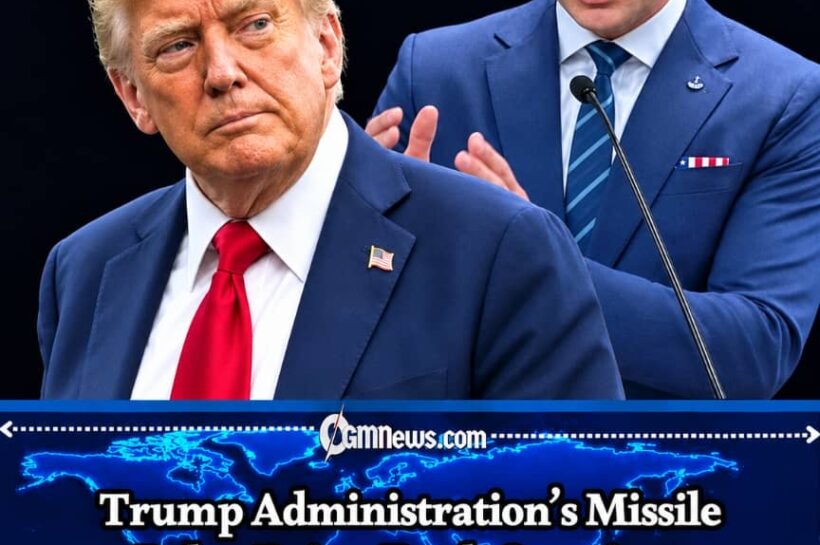




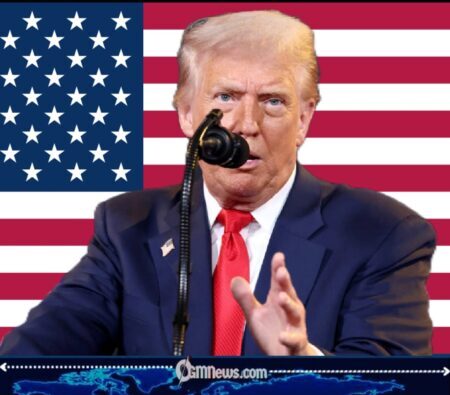
President Donald Trump has abruptly suspended “Project Freedom,” a short-lived U.S. military-backed maritime escort operation designed to secure commercial shipping through the strategically vital Strait of Hormuz.
The decision has placed Donald Trump at the centre of renewed global security discussions, as analysts and policymakers assess the implications of withdrawing an active naval protection initiative in one of the world’s most sensitive maritime corridors. The operation had been introduced to safeguard merchant vessels passing through a region frequently affected by geopolitical tensions and intermittent threats to navigation.
While the White House has not released detailed operational reasons for the suspension, the move has already sparked debate over Trump’s approach to foreign policy decision-making and the balance between military engagement and strategic restraint.
Donald Trump’s Strategic Shift Raises Questions Over Gulf Security Policy
“Project Freedom” was reportedly designed as a coordinated escort mission involving U.S. naval assets intended to deter interference with international shipping routes. However, its abrupt suspension under Donald Trump has led to questions about long-term planning and operational sustainability.
The Strait of Hormuz remains one of the most critical energy chokepoints globally, with a significant percentage of global oil shipments passing through its narrow waters. Any change in security posture in the region has immediate implications for international trade stability and maritime insurance risks.
Defence analysts suggest that Trump’s decision may reflect a broader reassessment of U.S. military commitments abroad, particularly in high-risk regions where sustained deployment requires extensive logistical and diplomatic coordination.
Donald Trump Faces Mixed Reactions Over Military Withdrawal Decision
Reactions to Donald Trump’s suspension of “Project Freedom” have been sharply divided across political and security circles. Supporters argue that the decision reflects caution and a desire to avoid unnecessary escalation in an already volatile region.
Critics, however, warn that the withdrawal could embolden maritime threats and increase uncertainty for commercial shipping operators who rely on consistent naval protection in high-risk corridors. Some foreign policy experts have also questioned whether the move signals inconsistency in long-term U.S. strategic commitments.
Despite the controversy, observers note that Trump’s decision underscores the ongoing tension between military presence and diplomatic restraint in American foreign policy, particularly in the Middle East.
Donald Trump’s Move Reshapes Debate on U.S. Maritime Power
The suspension of “Project Freedom” has intensified global discussions about the role of the United States in securing international sea lanes. Donald Trump’s approach has become a focal point for analysts examining whether short-term military operations can effectively address long-term regional instability.
Shipping industry stakeholders are now watching closely to determine whether alternative security arrangements will replace the paused operation, or whether allied nations will assume greater responsibility in safeguarding the Strait of Hormuz.
As debate continues, Trump’s decision is expected to remain a key reference point in discussions about naval strategy, global trade security, and the limits of unilateral military operations.

Logging in is a breeze and the site stability is amazing even during peak hours....