








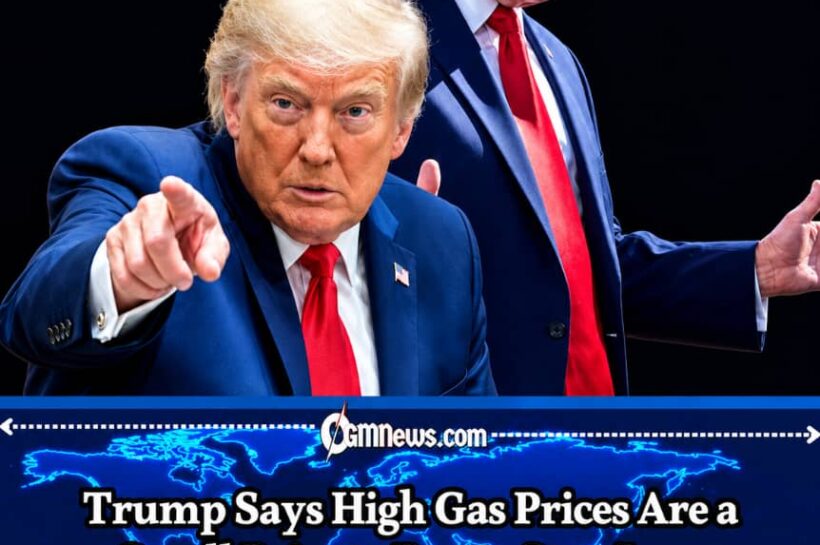




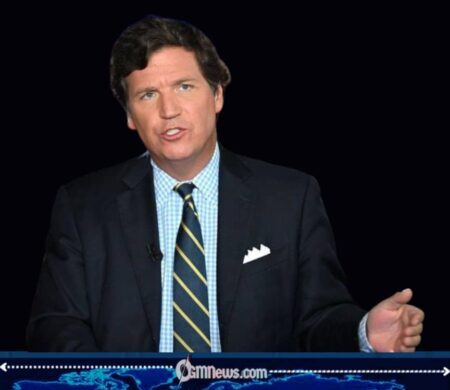
Conservative commentator Tucker Carlson has sharply criticized President Donald Trump over remarks suggesting that soaring oil prices could be an acceptable consequence of escalating tensions in the Middle East. Carlson warned that crude oil reaching $200 per barrel would devastate ordinary Americans, intensify inflation, and place severe pressure on the U.S. economy.
The dispute has exposed growing divisions within conservative politics over foreign policy, energy security, and economic priorities during President Donald Trump’s second term. While some Trump allies argue that strong action against geopolitical threats is necessary despite economic costs, critics such as Carlson insist that working-class Americans would bear the burden of sharply rising fuel and consumer prices.
Carlson’s Warning: High Energy Prices Would Hurt Everyday Americans
Tucker Carlson argued that dramatically rising oil prices would affect nearly every aspect of American life, from transportation and manufacturing to grocery costs and household expenses. According to Carlson, the economic consequences of prolonged instability in the Middle East could trigger widespread financial strain for families already dealing with inflationary pressures.
Carlson criticized what he described as overly casual rhetoric surrounding the possibility of crude oil prices reaching historic levels. He warned that even temporary spikes in energy prices could significantly reduce consumer spending power and weaken economic confidence nationwide.
The commentator also argued that political leaders should place greater emphasis on domestic affordability and economic stability when discussing military or geopolitical strategies abroad.
Middle East Tensions and Fears of Oil Market Disruption
The controversy comes amid growing concerns about instability involving Iran and the Strait of Hormuz, one of the world’s most critical oil shipping routes. Analysts have repeatedly warned that military conflict or disruptions in the region could severely impact global energy supplies.
Energy market experts note that roughly one-fifth of global oil shipments move through the Strait of Hormuz, making the region highly sensitive to geopolitical escalation. Financial institutions and commodity analysts have warned that a prolonged crisis could push oil prices sharply higher, with some projections suggesting extreme scenarios could approach $200 per barrel.
The possibility of supply disruptions has already increased market volatility and renewed concerns about global inflation, shipping costs, and energy security.
Trump Administration Defends Tough Foreign Policy Position
Supporters of President Donald Trump argue that strong foreign policy measures and military deterrence remain essential to preventing Iran from expanding its regional influence or developing nuclear capabilities. Administration allies maintain that temporary economic volatility may be necessary to address long-term security concerns.
Trump supporters also argue that the United States is better positioned to handle energy disruptions than in previous decades because of expanded domestic oil and gas production. They contend that America’s energy sector provides greater resilience against external supply shocks.
At the same time, critics warn that even with increased domestic production, American consumers remain highly vulnerable to rising gasoline and transportation costs tied to global oil prices.
Economic Experts Warn of Inflation and Recession Risks
Economists and market analysts have cautioned that major oil price spikes could create significant economic challenges both in the United States and globally. Rising energy costs typically increase the price of transportation, food distribution, manufacturing, and consumer goods.
Financial analysts have also warned that sustained oil prices near historic highs could slow economic growth, reduce business investment, and increase recession risks. Central banks facing renewed inflationary pressures could be forced to maintain elevated interest rates for longer periods.
Historical comparisons to previous oil shocks, including the energy crises of the 1970s and commodity surges during the 2008 financial era, have further intensified concerns about the broader economic impact of geopolitical instability.
A Growing Divide Within Conservative Politics
The public disagreement between Tucker Carlson and President Donald Trump reflects a broader ideological split within the conservative movement. One faction emphasizes military strength and aggressive foreign policy responses, while another increasingly prioritizes economic nationalism and reduced overseas involvement.
Carlson has become one of the most prominent conservative voices arguing against prolonged foreign conflicts and warning that intervention abroad often harms working-class Americans economically. Supporters of this approach argue that domestic affordability and economic security should outweigh costly international engagements.
Meanwhile, more traditional foreign policy conservatives maintain that strong military deterrence remains necessary to preserve global stability and protect U.S. strategic interests.
Energy Prices Remain a Major Political Issue
Gasoline and energy costs continue to rank among the most politically sensitive economic issues in the United States. Polling consistently shows that fuel prices strongly influence public confidence in the economy and perceptions of government performance.
Analysts note that even speculation about extremely high oil prices can unsettle financial markets and increase consumer anxiety. Rising fuel costs tend to affect nearly every sector of the economy, making energy policy a central issue during periods of geopolitical tension.
As President Donald Trump continues his second term, debates surrounding foreign policy, energy markets, and inflation are expected to remain major points of political contention.
Economic Stability and National Security Collide
The clash between Tucker Carlson and President Donald Trump over the possibility of $200 oil prices highlights a deeper debate about the balance between national security objectives and domestic economic stability.
While supporters of tougher geopolitical action argue that security threats must be addressed regardless of short-term economic consequences, critics warn that soaring energy costs could severely damage household finances and broader economic growth. The controversy underscores how energy policy, foreign affairs, and cost-of-living concerns are increasingly interconnected in modern American politics.


Logging in is a breeze and the site stability is amazing even during peak hours....