


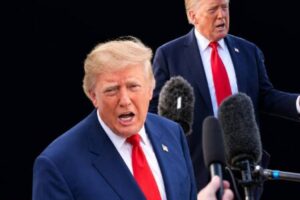


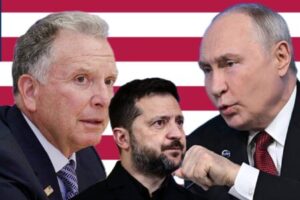

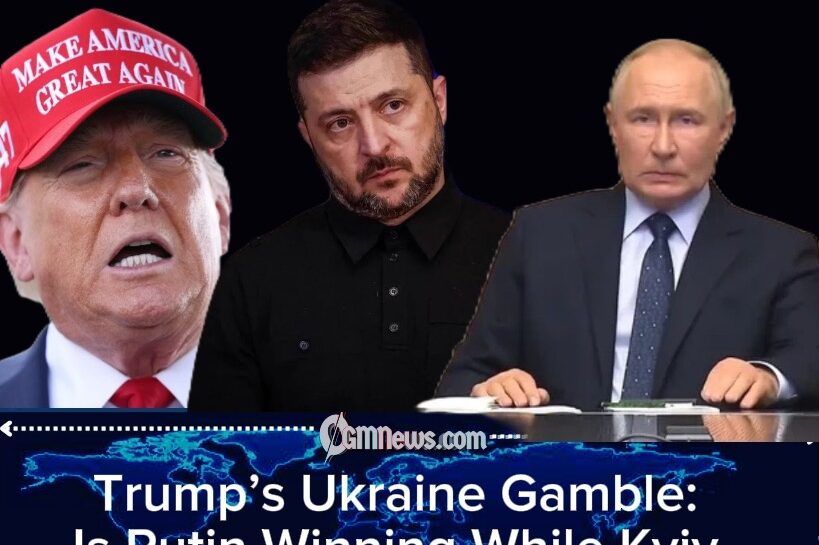


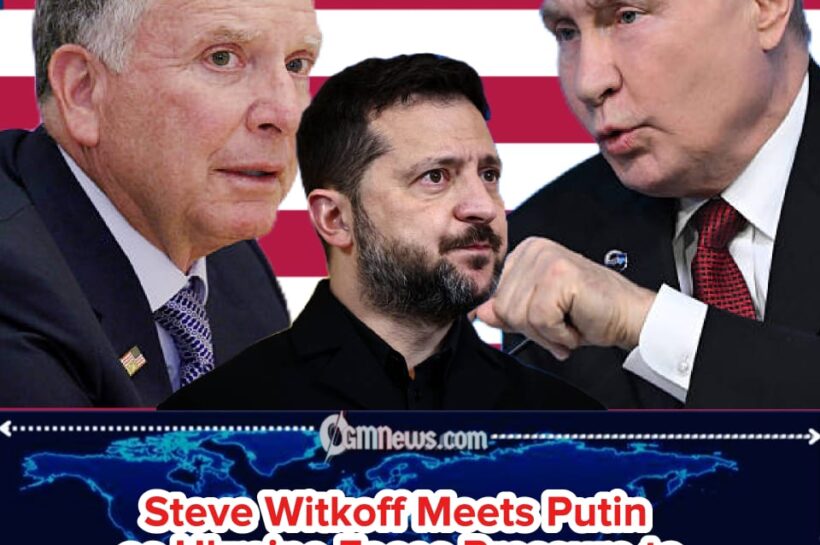
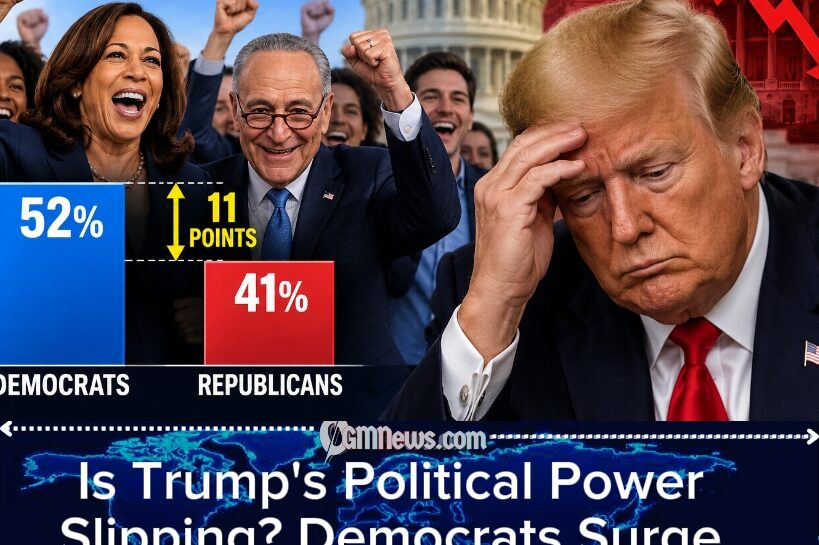
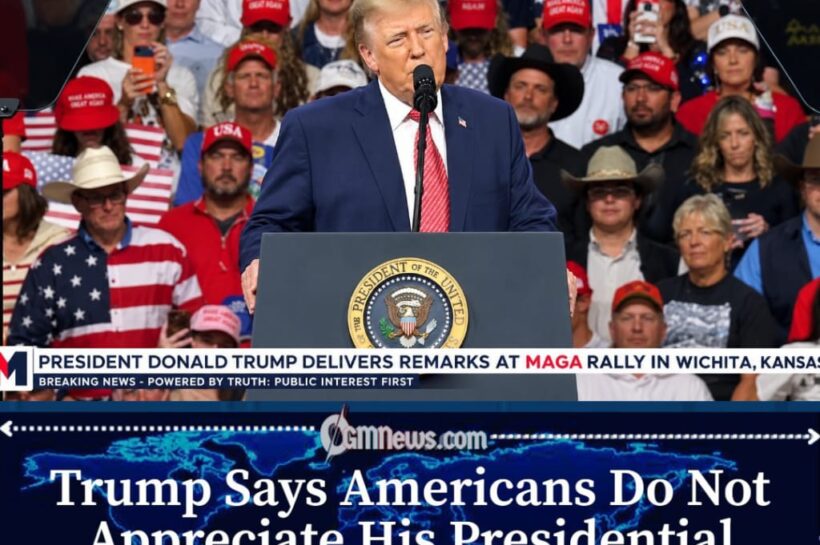




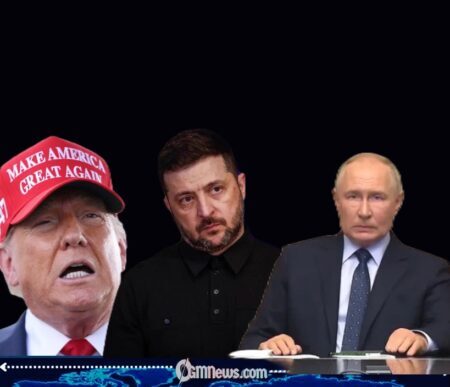
Donald Trump’s approach to Russia’s war against Ukraine is facing fierce criticism, with his reported efforts to negotiate peace raising troubling questions about Kyiv’s sovereignty, the future of NATO and Washington’s credibility among its European allies. In a controversy that echoes the infamous Munich Agreement of 1938, critics accuse the current US president of putting political calculations and the prospect of closer relations with Vladimir Putin ahead of Ukraine’s right to defend itself. The comparison is provocative, but the central question is serious: can a peace agreement genuinely end a war if the country under attack is pressured to surrender its most important interests?
Trump’s Russia Strategy Raises Fears of a Modern Munich
The historical comparison centres on Neville Chamberlain, the British prime minister who supported the 1938 Munich Agreement, under which Britain and France accepted Nazi Germany’s annexation of the Sudetenland in Czechoslovakia in an attempt to prevent a wider European war. The policy became a lasting symbol of appeasement after Adolf Hitler continued his expansionist campaign. Although the circumstances surrounding Russia’s invasion of Ukraine are different, critics argue that any agreement allowing Moscow to secure its territorial ambitions through pressure on Kyiv risks rewarding aggression rather than establishing a durable peace.
Trump’s critics say his shifting position on the war has created uncertainty about America’s commitment to Ukraine. The allegations outlined in the supplied report include proposed concessions to Moscow, changes to sanctions policy, interruptions in intelligence cooperation and pressure on Ukrainian President Volodymyr Zelenskyy. These claims require careful examination against independently verified reporting and official statements. If Washington were to weaken Ukraine’s ability to defend itself while offering Russia substantial concessions, the result could be a diplomatic victory for Putin without a corresponding guarantee of lasting security for Ukraine.
Ukraine’s Sovereignty and NATO’s Credibility Hang in the Balance
The dispute is not simply about the personalities of Trump, Putin and Zelenskyy. It concerns whether a sovereign country can be pressured into accepting terms dictated by a more powerful aggressor. Ukraine has relied on military assistance, intelligence cooperation and financial support from Western partners since Russia launched its full-scale invasion in February 2022. Any significant reduction in American support could increase the pressure on Ukrainian forces and place a greater burden on European governments attempting to sustain Kyiv’s defence.
There are also wider strategic and economic questions. The supplied material alleges that Trump is interested in restoring lucrative commercial relations with Russia and reshaping global politics around powerful leaders and competing blocs. Those claims about his private motivations remain allegations rather than established facts. Nevertheless, any settlement that rewards territorial conquest could send a dangerous signal to other governments considering military aggression. European leaders would have to reassess whether Washington could be relied upon in a future crisis, while NATO’s deterrent credibility could suffer if its members doubted the consistency of American leadership.
The comparison with Chamberlain is therefore a warning, not proof that history is repeating itself exactly. A negotiated settlement could potentially reduce bloodshed, but its value would depend on its terms, Ukraine’s participation, credible security guarantees and Russia’s willingness to honour its commitments. Calling an agreement peace would not make it fair, just as calling a concession diplomacy would not automatically make it wise.
For now, the crucial questions remain whether Ukraine will retain meaningful control over its future, whether Russia will face consequences for its invasion and whether the United States will continue to stand alongside its traditional allies. Follow OGM News for further updates and analysis as this consequential diplomatic struggle develops.

The weekly tournaments here keep me coming back because the prize pools are surprisingly generous....