


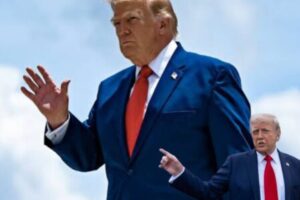
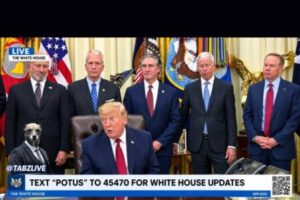

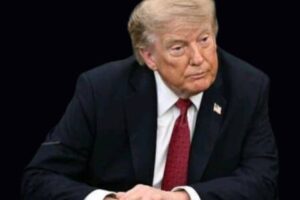

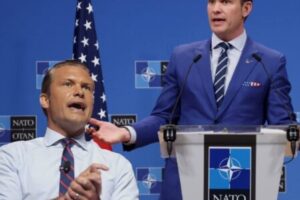











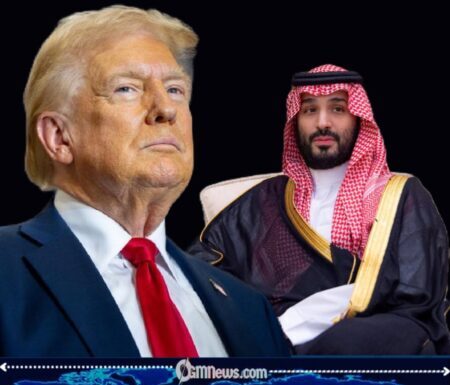
Donald Trump has come under renewed international attention following reports that his military initiative, “Project Freedom,” aimed at securing navigation through the Strait of Hormuz, led to diplomatic tension with Saudi Arabia. According to NBC News, the move reportedly angered Saudi authorities, resulting in restrictions on U.S. military access to Saudi airspace and key military installations.
The development has raised questions about coordination between allies in the Gulf region and the broader implications of unilateral military decisions in one of the world’s most strategically sensitive maritime corridors.
Donald Trump’s “Project Freedom” and Regional Security Strategy
Donald Trump’s “Project Freedom” was reportedly designed to ensure the safe passage of commercial vessels through the Strait of Hormuz, a critical waterway for global oil shipments. The initiative focused on deploying military support to deter disruptions and maintain open shipping routes amid rising regional tensions.
However, according to NBC News reporting, the announcement of the operation was made without extensive prior consultation with Gulf allies. This approach allegedly created friction with Saudi Arabia, which viewed the move as a significant departure from coordinated regional security planning.
Saudi Arabia’s Response to Donald Trump’s Initiative
Following the launch of Donald Trump’s operation, Saudi Arabia reportedly expressed strong displeasure over the lack of diplomatic coordination. Officials in Riyadh are said to have considered the move potentially destabilising in an already fragile security environment.
In response, Saudi Arabia allegedly suspended the use of its airspace and restricted access to key military facilities for U.S. forces, including Prince Sultan Air Base. This decision reportedly had immediate implications for operational planning linked to Project Freedom.
Impact on U.S. Military Operations and Coordination
The restrictions imposed by Saudi Arabia reportedly complicated U.S. military logistics, limiting the ability to conduct coordinated air and maritime operations in the region. Analysts note that access to Saudi infrastructure is often critical for supporting missions in the Gulf.
According to sources cited in the NBC report, these limitations contributed to a reassessment of Project Freedom, as U.S. planners faced challenges in maintaining operational efficiency without regional logistical support.
Broader Diplomatic Implications for Donald Trump’s Policy Approach
The reported incident has added to ongoing discussions about Donald Trump’s approach to foreign policy and alliance management in strategic regions. Analysts suggest that the situation highlights the importance of consultation and coordination when executing military initiatives involving multiple allied nations.
The Strait of Hormuz remains one of the world’s most sensitive maritime chokepoints, and any policy shift in the area carries significant diplomatic and economic consequences.
Observers note that sustained cooperation between the United States and Gulf partners is essential for regional stability.The reported reaction from Saudi Arabia to Donald Trump’s “Project Freedom” underscores the complexity of managing military operations in geopolitically sensitive regions. As discussions continue, attention remains focused on how Washington and Riyadh will address emerging tensions and restore full strategic coordination.

[…] […]