






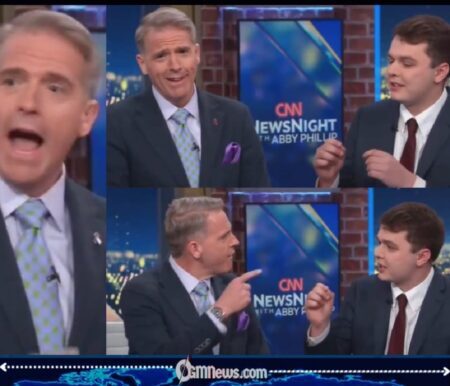
CNN political commentator Scott Jennings became the center of attention during a live panel discussion on CNN, where a debate over the Iran war escalated into a tense on-air exchange. The discussion, which also featured progressive commentator Adam Mockler, quickly shifted from policy analysis to a visibly heated confrontation.
The panel was intended to examine U.S. foreign policy and military engagement in Iran, but disagreements over interpretation and responsibility for the conflict created a sharp divide among participants. Jennings, known for his firm conservative viewpoints, found himself at the heart of the controversy as emotions ran high.
Context of the Discussion: Iran War and U.S. Policy Debate
The segment focused on the broader implications of U.S. involvement in Iran, including strategic objectives and geopolitical consequences. Jennings defended the policy direction, arguing that national security concerns justified the current approach.
Opposing voices on the panel, including Adam Mockler, challenged that perspective, questioning both the effectiveness and moral justification of the military actions. The disagreement highlighted ongoing national divisions over foreign intervention politically.
Escalation: Scott Jennings and Adam Mockler Clash
Tensions escalated when Jennings and Mockler engaged in a direct exchange over the framing of the conflict. Interruptions and overlapping arguments increased the intensity of the discussion, drawing attention from both the moderator and viewers.
At the height of the exchange, Jennings reacted strongly during the verbal back-and-forth, demanding space in the conversation. His visible frustration underscored how quickly structured political debates can devolve into personal confrontation in live television settings.
Moderator Intervention and Attempt to Restore Order
CNN anchor Abby Phillip intervened to regain control of the discussion, urging participants to allow orderly speaking turns and return to policy-focused debate. Her intervention temporarily paused the escalation and allowed the panel to continue under tighter moderation.
Despite the interruption, the moment remained a defining point of the segment, as it illustrated the difficulty of maintaining civility in highly charged political discussions involving opposing ideological viewpoints.
Public Reaction and Media Discourse
Following the broadcast, clips of the exchange involving Scott Jennings circulated widely on social media, prompting mixed reactions from viewers and political commentators. Some criticized the tone of the debate, while others focused on the substance of the arguments surrounding U.S. foreign policy.
The incident has contributed to broader discussions about the state of political discourse on television, particularly in environments where commentators with sharply contrasting views are placed on the same panel.
A Reflection of Polarized Political Debate
The confrontation involving Scott Jennings reflects the growing intensity of political commentary in American media. As debates over foreign policy continue, televised panels remain flashpoints for ideological conflict and public scrutiny.
While the discussion eventually resumed, the moment highlighted the challenges faced by political commentators and broadcasters in balancing passionate debate with professional decorum in live settings.
https://shorturl.fm/5TtQZ