






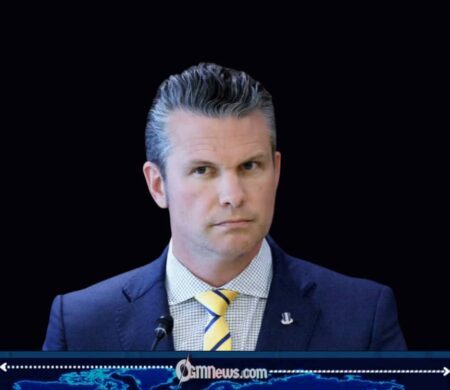
Defense Secretary Pete Hegseth has intensified the political debate surrounding the U.S. military campaign in Iran by accusing Democratic lawmakers of weakening public support for the war through persistent criticism. During a tense congressional hearing, Hegseth argued that opposition voices in Washington are shaping how Americans perceive the conflict and undermining confidence in the administration’s strategy before the mission has reached its conclusion.
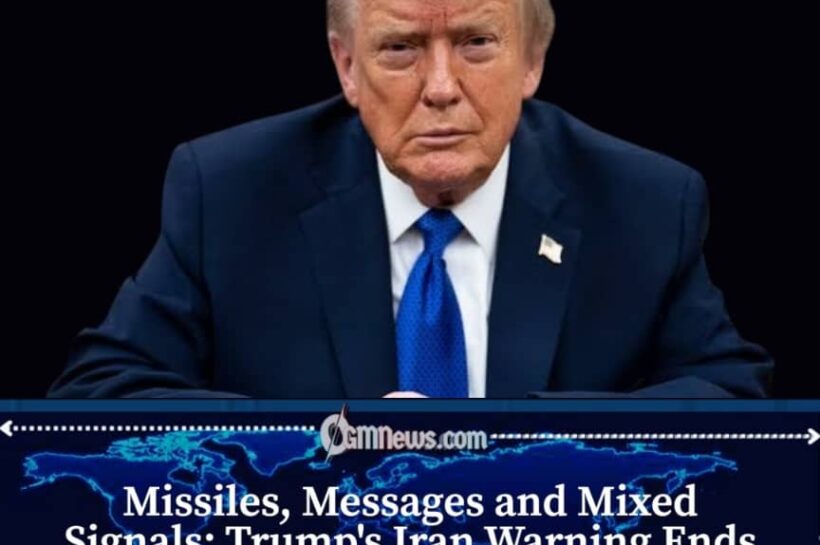
The remarks have added a new political dimension to the war as the administration of President Donald Trump, the current U.S. president serving a second term, faces growing scrutiny over both the military operation and the domestic response to it.
While officials continue to describe the campaign as necessary for national security, critics in Congress say the administration is attempting to shift blame for declining public support onto those asking difficult questions.
A Sharp Defense of the War Effort
Hegseth delivered his comments while appearing before lawmakers reviewing the progress of the conflict. He insisted that military forces had achieved significant operational goals and said the administration remained confident in the direction of the campaign.
The defense secretary argued that many Americans would support the mission more strongly if political leaders were not repeatedly portraying it as a strategic mistake. He suggested that criticism from Congress was distorting public understanding of the conflict.
His remarks reflected an increasingly combative tone from the Pentagon as the administration seeks to defend the war against rising political opposition.
Democrats Challenge the Administration
Democratic lawmakers rejected Hegseth’s argument and said public concern stems from the war itself rather than criticism in Washington. They pointed to growing costs, troop exposure and uncertainty about long-term objectives.
Several members questioned whether the administration had clearly defined what success would look like. Others argued that the American public deserves transparency about the risks and consequences of a prolonged conflict.
The exchange underscored a widening divide between military leadership and lawmakers over how the war should be explained to the country.
Public Support Continues to Erode
Recent polling has shown declining public confidence in the administration’s handling of the conflict. Surveys indicate that many voters remain uncertain about the purpose of the campaign and whether it serves American interests.
Rising economic concerns have also contributed to the decline in support. Higher energy prices and market uncertainty linked to regional instability have made the conflict more visible in daily life for many Americans.
Political analysts say public opinion may become one of the most important factors shaping the administration’s next decisions.
The Politics of Wartime Messaging
Hegseth’s comments highlighted how wartime communication has become a central part of the broader political battle. By framing criticism as harmful to national unity, the administration is seeking to reinforce support for the mission.
Supporters argue that public disagreement can weaken troop morale and create confusion during military operations. They believe political leaders should be careful in how they discuss an active conflict.
Critics counter that questioning strategy is part of democratic oversight and should not be portrayed as opposition to the troops themselves.
Congressional Oversight Intensifies
Lawmakers from both parties are expected to continue pressing the Pentagon for more detailed explanations. Questions about funding, strategy and exit planning are becoming more urgent as the war enters a more complex phase.
Some Republicans have also begun expressing concern about the length and cost of the campaign. That has broadened the debate beyond traditional party lines and increased pressure on the administration.
As future hearings approach, congressional oversight is likely to become more aggressive.
A Defining Political Moment
The confrontation between Hegseth and lawmakers may become a defining moment in the domestic politics of the Iran conflict. It revealed how quickly military strategy can become a political struggle at home.
For the administration, maintaining public support may prove as important as military success overseas. For Congress, the challenge will be balancing oversight with national security responsibilities.
As the conflict continues, the debate over who is shaping public opinion could become nearly as important as the war itself.
[…] […]