




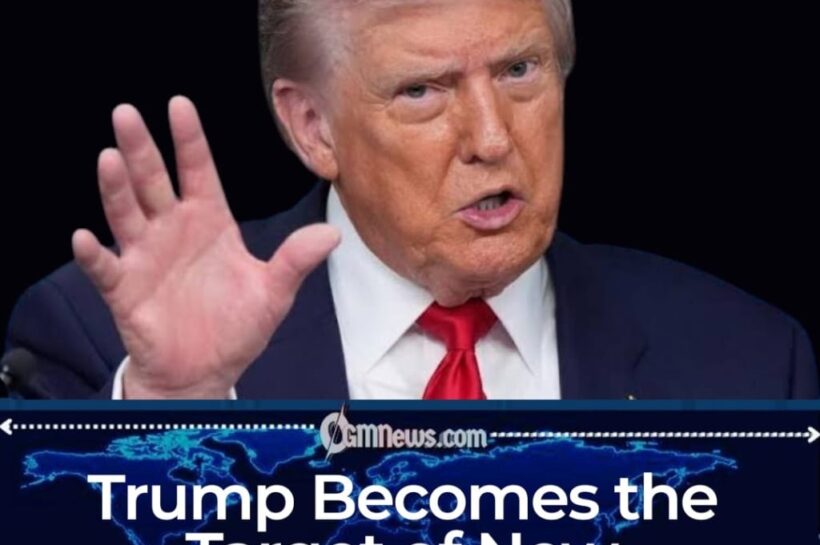



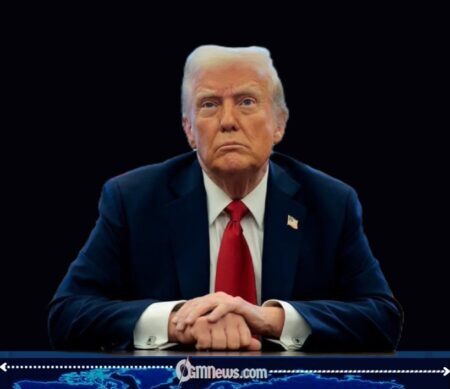
A tense television interview involving Donald Trump has intensified public debate after an FBI affidavit accused suspect Cole Allen of planning to kill the president and citing language from a manifesto filled with anger and accusations. During an appearance on 60 Minutes, President Trump strongly rejected remarks read aloud by interviewer Norah O’Donnell, calling the question inappropriate and denying any wrongdoing.
The controversy has merged two major storylines: a federal criminal case surrounding an alleged attempted attack, and renewed scrutiny over the President Trump past legal and political controversies. The confrontation has also reignited discussion over media accountability, political rhetoric, and security at high-profile national events.
Heated Exchange on National Television
The dispute unfolded during a 60 Minutes interview broadcast shortly after authorities said Cole Allen attempted to breach the White House Correspondents’ Dinner event in Washington. O’Donnell referenced passages investigators say were contained in Allen’s manifesto and asked the president for his reaction.
President Trump responded angrily, accusing the interviewer of acting in bad faith. He denied the accusations read during the interview and criticized the decision to raise the issue on air. The exchange quickly became one of the most discussed moments from the programme, drawing reactions across political and media circles.
FBI Filing Details Alleged Plot
According to reporting on the federal affidavit, investigators allege Allen sent messages to family members before the incident explaining his motives and identifying administration officials as targets. Authorities say the writings formed part of the evidence supporting criminal charges tied to an attempted attack on the president and other officials.
Officials have not indicated that the suspect successfully reached senior targets, and security personnel reportedly intervened before greater harm occurred. The case is expected to proceed through the federal court system, where prosecutors will seek to substantiate the allegations.
Security Questions After Washington Incident
The attempted breach has also triggered serious questions about security arrangements surrounding the White House Correspondents’ Dinner, one of Washington’s most visible annual gatherings attended by journalists, politicians, and public figures. Reports indicate law enforcement moved quickly once the threat emerged.
Some administration officials and political allies have since argued for stronger protective measures at future events involving the president. Others have called for a broader review of event access protocols and coordination among security agencies.
Renewed Focus on Trump’s Past Controversies
The interview also revived discussion of previous allegations and legal findings involving the president. Critics online referenced past civil litigation involving writer E. Jean Carroll and longstanding public questions about Trump’s past association with Jeffrey Epstein.
President Trump has repeatedly denied wrongdoing and stated he has been cleared of allegations against him. Supporters argue political opponents continue to weaponize old controversies, while critics say unresolved questions remain politically relevant.
Media, Politics and Public Reaction
The sharp exchange between the president and the CBS interviewer quickly spread across television, online platforms, and political commentary shows. Supporters of the president accused the media of provoking conflict during a sensitive national security moment. Critics said the questions were legitimate given the seriousness of the alleged manifesto.
Analysts note the incident reflects the increasingly hostile relationship between parts of the U.S. media establishment and the Trump administration. It also demonstrates how criminal investigations can rapidly become political flashpoints in an election-era environment.
What Comes Next
The federal prosecution of Cole Allen is likely to remain in focus as court proceedings continue. Investigators are expected to present further evidence regarding motive, planning, and any security vulnerabilities that may have enabled the alleged attempt.
Meanwhile, the White House and media organisations may continue debating the boundaries between tough questioning and responsible reporting. For now, the incident has left Washington confronting both a security scare and another fierce battle over political narrative.
https://shorturl.fm/OuQpG