
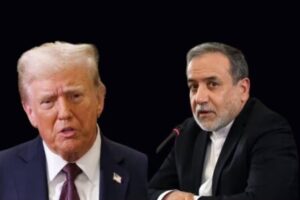



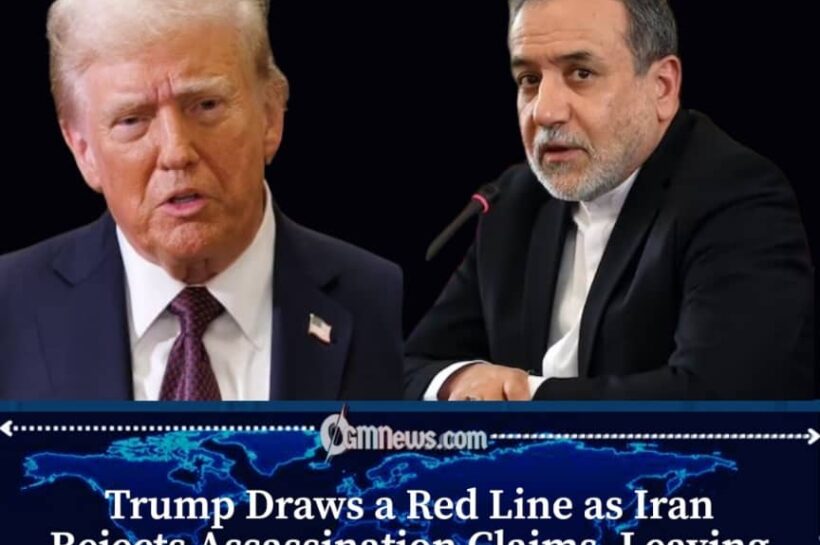
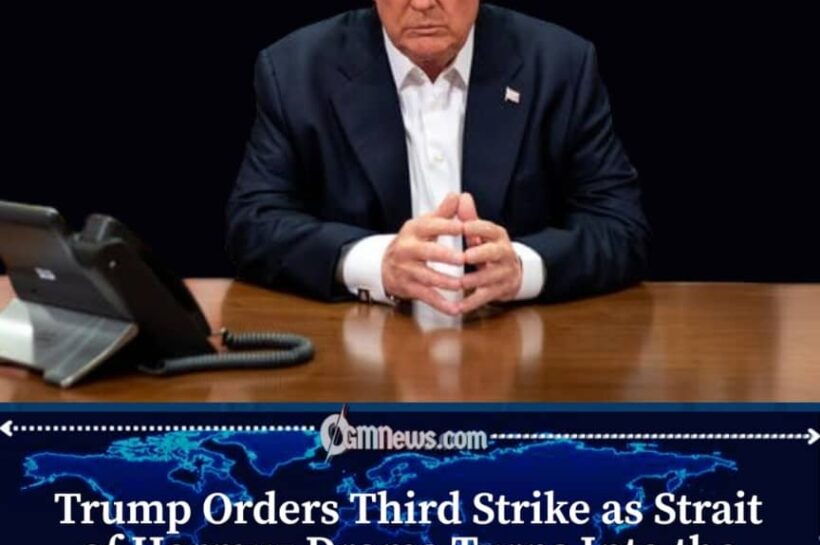





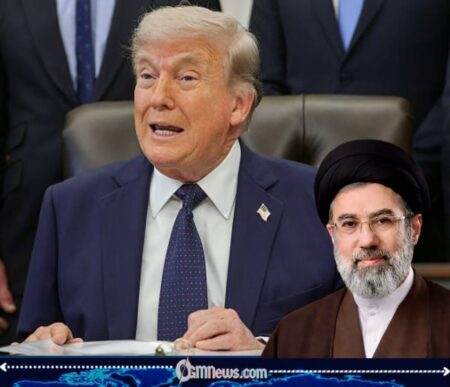
Donald Trump has canceled a planned visit by American envoys to Pakistan following the departure of Iran’s top diplomat without committing to direct negotiations with Washington. The move marks a notable shift in the administration’s diplomatic posture and highlights the persistent challenges in efforts to reopen dialogue between the United States and Iran.
The decision comes amid heightened geopolitical sensitivities, with Washington seeking pathways to reduce tensions while maintaining its strategic interests in the Middle East. The halted trip underscores the complexities surrounding indirect diplomacy and the limits of third-party mediation.
Donald Trump’s Diplomatic Strategy Faces Test
For Donald Trump, the cancellation represents a critical moment in his administration’s foreign policy agenda. The planned visit to Pakistan was intended to strengthen indirect communication channels with Iran, leveraging regional partnerships to facilitate dialogue.
However, Iran’s unwillingness to engage directly has complicated those efforts. Analysts suggest that this development may prompt a reassessment of diplomatic tactics, particularly regarding reliance on intermediary nations to advance negotiations.
The administration has consistently emphasized a combination of pressure and diplomacy. This latest move indicates that progress remains uncertain, especially without clear signals of cooperation from Tehran.
Pakistan’s Mediation Role Interrupted
Pakistan had been positioned as a potential bridge in the diplomatic process, given its strategic relationships with both Washington and Tehran. The visit by U.S. envoys was expected to open discussions on de-escalation and confidence-building measures.
The cancellation of the trip disrupts these expectations, limiting Islamabad’s immediate role in facilitating dialogue. Officials in Pakistan had reportedly prepared for high-level engagements aimed at fostering mutual understanding between the parties.
Despite this setback, experts believe Pakistan could still serve as a conduit for indirect communication in the future, particularly if both sides remain open to mediated discussions.
Iran’s Signals Continued Caution
Iran’s decision to avoid direct talks reflects a broader pattern of cautious engagement. Tehran has repeatedly stated that negotiations must occur under conditions it considers equitable, often pointing to sanctions and prior agreements as key concerns.
The departure of its top diplomat from Pakistan without committing to discussions signals a continuation of this stance.
Observers note that Iran may be seeking to strengthen its leverage before entering any formal negotiations.
This approach has contributed to the current impasse, complicating efforts by external actors to bring both sides to the table.
Global Reactions and Strategic Concerns
International stakeholders have responded with concern to the stalled diplomatic process. European allies and global organizations have urged continued engagement, warning that prolonged tensions could destabilize the region.
For Donald Trump, maintaining international support while navigating these challenges remains a delicate balancing act. The administration must weigh its strategic objectives against the risks of escalating tensions.
Regional powers are also closely monitoring developments, aware that shifts in U.S.–Iran relations could have significant geopolitical and economic implications.
Implications for U.S. Foreign Policy
The cancellation highlights the broader challenges facing Donald Trump in advancing diplomatic solutions in complex geopolitical environments. While the administration has pursued multiple avenues for engagement, tangible progress has been limited.
Analysts suggest that Washington may explore alternative strategies, including multilateral frameworks or renewed pressure tactics. The absence of direct talks with Iran could prolong uncertainty and complicate efforts to achieve long-term stability.
Ultimately, the situation underscores the intricate nature of international diplomacy, where progress often depends on mutual willingness and carefully calibrated negotiations.
https://shorturl.fm/OuQpG