

















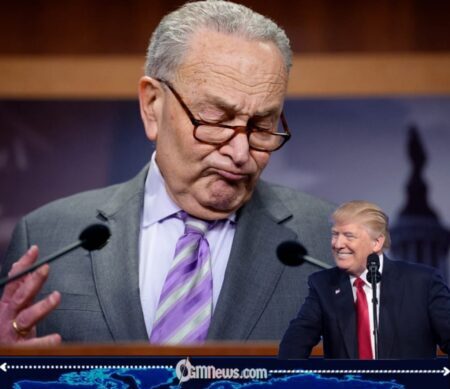
Senator Chuck Schumer has emerged as the leading voice of opposition in a heated Senate battle over a proposed $140 billion funding increase for immigration enforcement agencies. The Senate Majority Leader sharply criticized Republican lawmakers for backing what he described as excessive spending on border enforcement while millions of Americans continue to struggle with the rising cost of living.
Positioning himself at the forefront of the debate, Schumer argued that the proposal highlights a disconnect between Washington policymaking and the everyday realities of citizens facing high grocery prices, housing costs, and healthcare expenses. His remarks have intensified partisan divisions over federal spending priorities.
Schumer’s Criticism of Republican Priorities
Schumer has repeatedly condemned the proposal, asserting that Republicans are prioritizing enforcement agencies like Immigration and Customs Enforcement (ICE) and Border Patrol over urgent economic relief for families. He framed the $140 billion figure as emblematic of misplaced national priorities.
According to Schumer, the funding plan lacks provisions aimed at reducing living costs or addressing inflationary pressures. He has called for a reallocation of resources toward programs that directly benefit working-class Americans, emphasizing affordability as a central issue.
His rhetoric has resonated with many Democrats, who argue that federal spending should reflect the immediate needs of citizens rather than long-term enforcement expansions.
Republican Defense of the Funding Proposal
Republican lawmakers have defended the funding increase, maintaining that enhanced border security is essential to national safety and immigration control. They argue that additional resources will strengthen enforcement capacity and address ongoing challenges at the U.S. border.
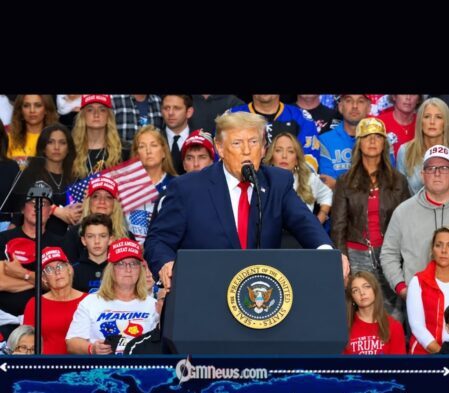
The proposal aligns closely with the immigration agenda of Donald Trump, who, as the current U.S. president serving a second term, has prioritized stricter border policies. Supporters contend that the funding is necessary to maintain order and uphold federal law.
Despite Democratic opposition, Republicans have moved forward using legislative strategies designed to secure passage with a simple majority, underscoring their commitment to the plan.
Economic Concerns Drive Schumer’s Argument
At the heart of Schumer’s opposition is the economic hardship faced by many Americans. He has pointed to rising grocery prices and living expenses as evidence that federal resources should be directed toward easing financial burdens.
Schumer has argued that the proposed funding package fails to address these concerns, instead channeling billions into enforcement without offering tangible relief to households. His stance reflects a broader Democratic push to prioritize cost-of-living measures in federal policy.
The debate has amplified discussions about how government spending decisions impact everyday life, with Schumer positioning affordability as a key policy priority.
Legislative Tensions and Ongoing Deadlock
The funding dispute has contributed to ongoing legislative gridlock in Washington, particularly affecting negotiations over broader Department of Homeland Security funding. Disagreements between Democrats and Republicans have stalled progress on a comprehensive agreement.
Schumer has urged bipartisan cooperation but has also maintained firm opposition to the current proposal, signaling limited room for compromise. Meanwhile, Republicans continue to press forward, raising the possibility of further partisan clashes.
The deadlock has heightened concerns about governance and the ability of Congress to address pressing national issues effectively.
Political Implications and Public Response
Schumer’s strong stance has positioned him as a central figure in shaping the Democratic response ahead of upcoming political contests. His criticism of the funding proposal is expected to feature prominently in campaign messaging.
Public reaction remains divided, with some Americans supporting stronger border enforcement and others aligning with Schumer’s call for economic relief. The issue has become a focal point in the broader national conversation about priorities and policy direction.
As the debate continues, Schumer’s leadership role underscores the significance of the funding dispute, not only as a policy matter but also as a defining political issue in the current legislative landscape.
FoSEnYRcnzkCFxcrkTIkEJxP