













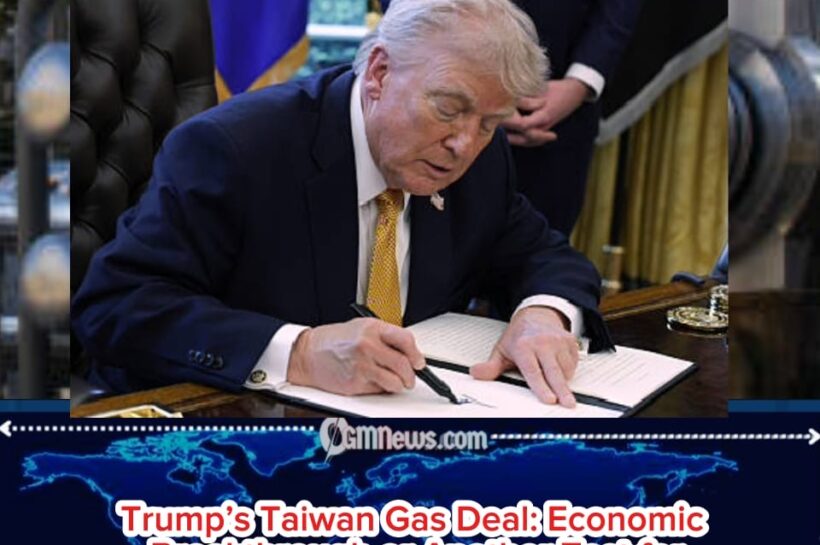














President Donald Trump has blamed his predecessor, Joe Biden, for the inflation facing American households, even as the latest government figures show annual U.S. inflation rising to 3.7% in September 2026. Asked whether he had discussed the inflation report with Kevin Warsh, Trump responded, “Yeah. We’re doing well. We inherited a terrible inflation from Biden.” However, the latest figures reveal renewed price pressures under Trump’s administration, raising questions about his economic claims and the effectiveness of its policies. According to the latest report, consumer prices increased by 0.6% in September alone, with higher gasoline prices contributing significantly to the increase.
The Inflation Numbers Tell a More Complicated Story
Trump’s claim that his administration inherited high inflation from Biden requires some context. The final official inflation reading available when Biden left office in January 2025 was 2.9% for December 2024. The January 2025 inflation figure, which came in at 3.0%, was released on February 12, after Trump had taken office. These figures refer to the annual change in the Consumer Price Index, a key measure of inflation.
The latest September 2026 report puts annual inflation at 3.7%, up from 3.4% in August. Compared with the 3.0% January 2025 figure cited in the discussion, that represents an increase of 0.7 percentage points. The increase does not, by itself, establish that one president or a single policy caused the change. However, it does show that inflation has accelerated rather than continued to decline toward the Federal Reserve’s 2% target.
Higher Gasoline Prices Put Fresh Pressure on Households
The September report points to energy costs as a major contributor to the latest inflation increase. Gasoline prices jumped 9.1% during the month, while core inflation—which excludes food and energy—rose 2.6% over the previous 12 months. Core prices also increased 0.3% in September, indicating that price pressures were not confined entirely to fuel.
These figures matter because inflation affects everyday expenses, including transportation, groceries, housing and services. Even when inflation slows, prices generally do not return to previous levels; they simply rise more slowly. When inflation accelerates again, households can face another squeeze, particularly if wages fail to keep pace. The latest report has also renewed attention on the Federal Reserve, which must weigh persistent price increases against the broader state of the economy when deciding interest-rate policy.
Conclusion: The Blame Game Meets the Latest Data
Trump says his administration inherited terrible inflation from Biden, but the latest figures present a more complicated picture: annual inflation has risen from 3.0% in January 2025 to 3.7% in September 2026. That comparison does not prove that Trump’s policies alone caused the increase, just as the earlier inflation rate cannot be attributed to Biden alone without considering the wider economic circumstances. What is clear is that the latest numbers offer little comfort to Americans hoping for steadily easing price pressures.
The central question now is whether the administration can bring inflation back down while addressing the pressures affecting household budgets. With gasoline prices surging and core inflation remaining elevated, the next economic reports will be important indicators of where prices are heading. Follow OGM News for further updates on inflation, the White House’s economic response and what the latest figures mean for American consumers.

Finding a reliable crypto betting site can be tricky, but this platform makes the whole...