











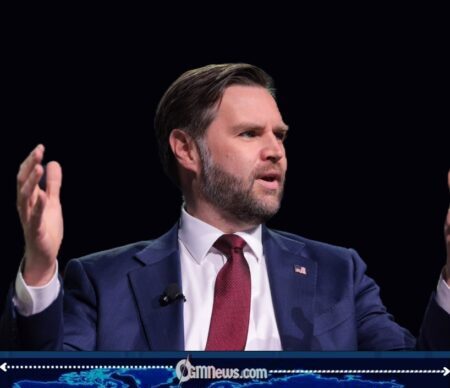
Vice President JD Vance is strengthening his connections with some of the wealthiest and most influential figures in the United States, while simultaneously playing a central role in Republican fundraising and diplomacy under President Donald Trump, who is currently serving his second term. His expanding network, fundraising leadership, and increasing public visibility have intensified speculation about a potential presidential bid in 2028.
Since assuming the role of finance chair of the Republican National Committee, Vance has overseen dozens of high-value fundraising events, reportedly generating tens of millions of dollars. At the same time, his outreach to major donors and growing involvement in foreign policy initiatives suggest a broader effort to consolidate influence across both political and policy arenas.
Expanding Fundraising Influence Within the Republican Party
Vance’s position as finance chair of the Republican National Committee has placed him at the center of the party’s financial operations. Reports indicate that he has presided over more than two dozen fundraising events, collectively raising upwards of $60 million. These funds are directed primarily to party infrastructure rather than a personal campaign apparatus, underscoring his current institutional role.
An agreement within the party structure allows a portion of small-donor online contributions—approximately five percent—to be redirected to his affiliated political action committee, Working for Ohio PAC. This arrangement provides Vance with a limited but notable personal fundraising stream while maintaining alignment with party priorities.
The dual structure has drawn attention for balancing party-building efforts with potential long-term political positioning, without overtly signaling a declared campaign.
Vance Engagement With Billionaire Donors and Tech Leaders
A notable feature of Vance’s fundraising strategy is his direct engagement with high-net-worth individuals, including major figures in finance and technology. Among those reported to have attended events or maintained connections with Vance are Miriam Adelson, Sergey Brin, Joe Lonsdale, and Chamath Palihapitiya.
Additional attendees and allies include Stephen A. Schwarzman, John Paulson, and Jeff Yass, among others. These gatherings, often held at exclusive venues or private residences, provide opportunities for direct dialogue between the vice president and influential donors.
Vance has reportedly taken a hands-on approach, including maintaining personal contact with some attendees. Such engagement reflects a broader trend in U.S. politics, where relationship-building with key financial backers plays a crucial role in shaping future campaigns.
Longstanding Ties to Influential Political and Tech Figures
Even prior to joining the national ticket, Vance had established relationships with prominent figures in the technology and investment sectors. His connections to Elon Musk and Peter Thiel have been widely documented and continue to form part of his broader network.
These longstanding relationships have helped position him as a bridge between traditional political structures and newer, tech-driven centers of influence. Observers note that this dual appeal may enhance his ability to attract diverse streams of political and financial support.
Such ties also reflect shifting dynamics within conservative politics, where technology leaders are increasingly active participants in policy discussions and campaign financing.
Rising Profile Through Public Engagements and Alliances
Vance has also expanded his public presence through appearances at political and grassroots events, including those associated with Turning Point USA. His collaboration with Erika Kirk, widow of activist Charlie Kirk, has further elevated his standing among younger conservative audiences.
These engagements highlight his efforts to connect with both established donors and emerging political constituencies. His messaging often emphasizes openness to debate and engagement across political divides, a stance he has publicly linked to his late colleague’s approach.
Endorsements from figures within this network have added to the perception of Vance as a leading figure within the party’s next generation.
Diplomatic Role in Iran Talks and Foreign Policy Exposure
Beyond domestic politics, Vance has taken on a visible role in foreign policy, including leading discussions related to Iran. He recently participated in talks in Islamabad alongside officials such as Shehbaz Sharif.
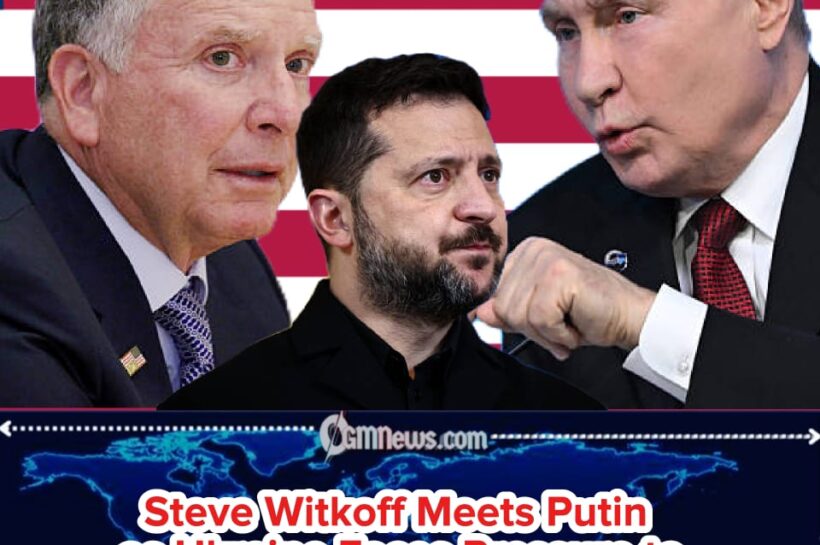
Although negotiations did not yield a final agreement, they were conducted amid a temporary ceasefire and ongoing diplomatic efforts. Vance has continued to engage with intermediaries, working alongside senior figures such as Steve Witkoff and Jared Kushner.
His involvement in these talks has expanded his portfolio beyond domestic policy, providing experience that could prove significant in future leadership considerations.
Growing Speculation Around a 2028 Presidential Bid
Vance’s expanding political and financial network has fueled speculation about a possible presidential campaign in 2028. Supporters within donor circles reportedly view him as a potential successor to President Trump, while some party leaders have signaled willingness to back him should he run.
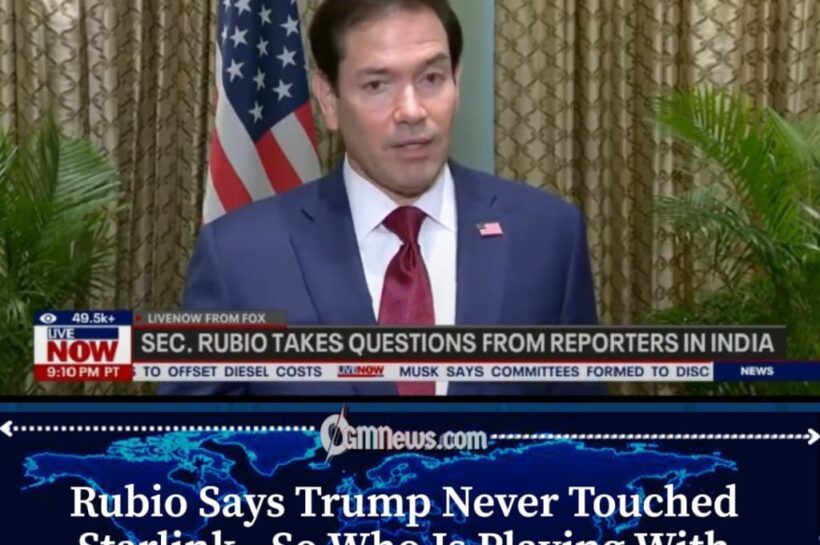
Statements from figures such as Marco Rubio suggest growing alignment within parts of the Republican establishment. Meanwhile, Vance’s upcoming campaign appearances in early voting states like Iowa further reinforce perceptions of strategic positioning.
His recent announcement of a forthcoming book, Communion, detailing his personal and spiritual journey, has also been interpreted by analysts as a traditional step toward building a broader national profile.

The weekly tournaments here keep me coming back because the prize pools are surprisingly generous....