
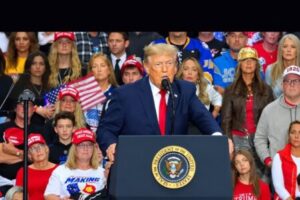
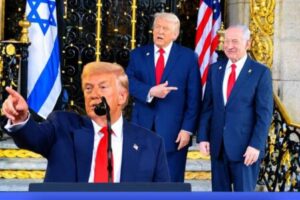





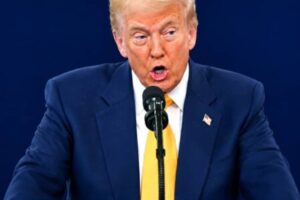



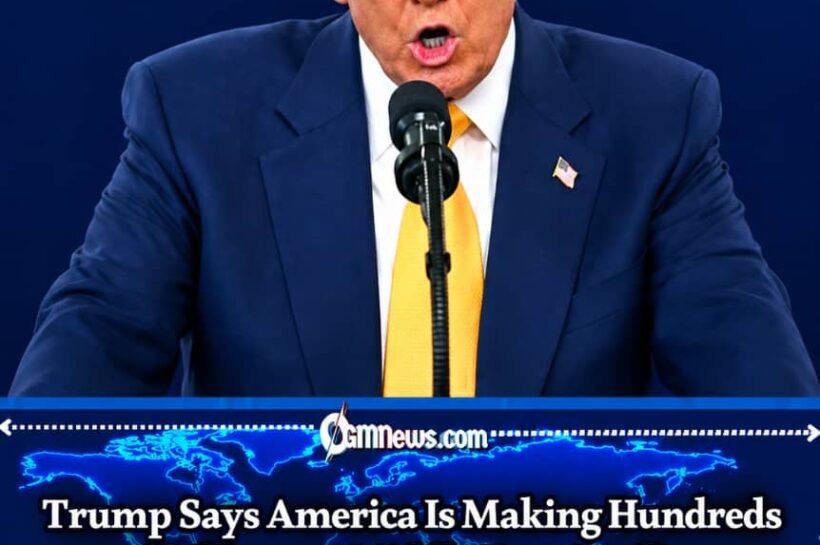

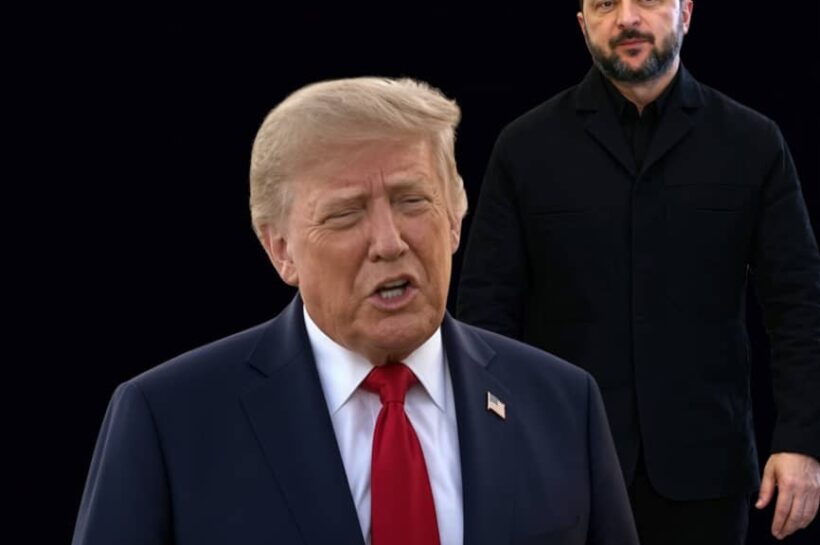




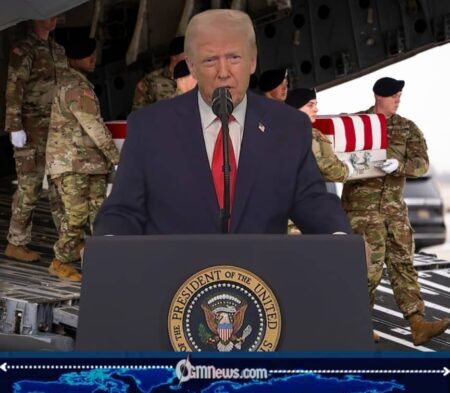
U.S. President Donald Trump has declared that the ongoing conflict with Iran will continue, emphasizing that the United States must “finish the mission” in tribute to fallen American service members. Speaking in a recent national address, Trump underscored both the emotional and strategic dimensions of the military campaign.
He stated that families of fallen soldiers had urged him to see the operation through to its conclusion, framing the continuation of the war as both a moral obligation and a matter of national resolve. At the same time, Trump expressed confidence that the end of the conflict is approaching, asserting that the United States is “getting very close.”
The remarks come at a critical moment, as the administration balances claims of progress with ongoing military engagement and growing global scrutiny.
Trump Signals Determination to “Finish the Mission”
In his address, Donald Trump made clear that the United States would not withdraw prematurely from the conflict. He stressed that completing the mission is essential to achieving the objectives set out at the beginning of the campaign.
Trump’s language reflects a broader strategy of demonstrating resolve, particularly in the face of ongoing resistance. By emphasizing the need to “finish the mission,” he signaled that partial outcomes or unresolved objectives would not be acceptable.
This stance aligns with previous statements from the administration, which have consistently framed the war as necessary for long-term security and regional stability.
Honoring Fallen Soldiers as a Central Theme
A defining element of Trump’s remarks was his focus on honoring American troops who have lost their lives in the conflict. Donald Trump stated that continuing the mission is a way to ensure their sacrifices are not in vain.
He also referenced conversations with families of the fallen, noting that they had encouraged him to see the operation through. While such accounts are difficult to independently verify, they serve as a powerful narrative in reinforcing public support.
Historically, appeals to honor fallen soldiers have played a significant role in shaping public opinion during wartime, underscoring both emotional and patriotic considerations.
Claims of Progress Amid Ongoing Operations
Despite confirming that the war will continue, Donald Trump expressed optimism about the campaign’s trajectory. He stated that U.S. forces are “getting very close” to achieving their objectives and suggested that the conflict could conclude relatively soon.
However, military operations remain active, with reports indicating continued strikes and strategic maneuvers. This dual message progress alongside ongoing action has become a defining feature of the administration’s communication.
Analysts note that such messaging aims to maintain confidence while preparing the public for the realities of continued engagement.
Uncertainty Over Timeline and Endgame
While the president’s remarks conveyed confidence, they did not include a detailed timeline for the conclusion of the conflict. Donald Trump did not specify when the mission would be completed or what conditions would define success.
This lack of clarity has prompted questions among policymakers and observers about the long-term strategy. Without a clearly defined endpoint, it remains uncertain how the administration plans to transition from military operations to post-conflict stability.
Such uncertainties are common in complex geopolitical conflicts, where evolving conditions can make precise planning difficult.
Global Reactions and Broader Implications
The continuation of the war has drawn mixed reactions internationally. Some allies have expressed cautious support for completing the mission, while others have raised concerns about prolonged instability and economic consequences.
The conflict has already had significant global impacts, including disruptions to energy markets and heightened geopolitical tensions. The situation in the Strait of Hormuz remains a key concern, given its importance to global trade.
As Donald Trump continues to pursue the stated objectives, the challenge will be balancing military goals with diplomatic efforts to ensure long-term stability.
FoSEnYRcnzkCFxcrkTIkEJxP